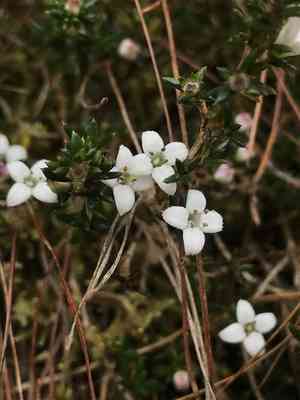
Arcytophyllum nitidum (Arcytophyllum nitidum)
Arcytophyllum nitidum is a resilient shrub, typically found in the understory of high-altitude cloud forests. It flaunts glossy, small elliptical leaves that adapt well to the moist conditions of its native habitat. The plant is distinguished by its delicate white to pale pink flowers, which blossom into dense clusters, hinting at its ability to thrive in the cool mountainous terrain. This evergreen species demonstrates excellent adaptation to its environment through its compact growth habit and persistent foliage.
In This Article
Attributes of Arcytophyllum nitidum
Lifespan
Perennial
Plant Type
Shrub
Plant Height
30-60 cm
Spread
20-40 cm
Leaf Color
Green
Flower Size
1-2 cm
Flower Color
White, Pink
Images of Arcytophyllum nitidum

Quickly Identify Arcytophyllum nitidum
1
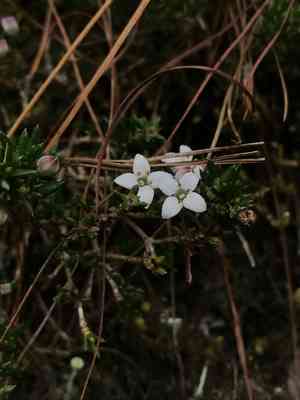
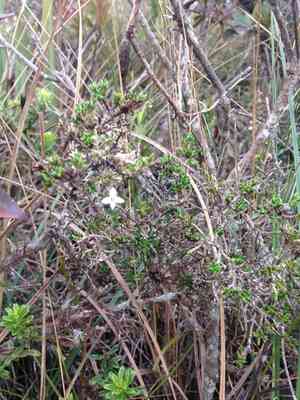
Arcytophyllum nitidum can be identified by its shiny leaves that are often elliptical in shape and its small, white or pink star-shaped flowers.
Scientific Classification of Arcytophyllum nitidum
Phylum
Vascular plants
Class
Dicotyledons
Order
Gentianales
Family
Madder
Genus
Arcytophyllum
Species
Arcytophyllum nitidum
Planting and Growing of Arcytophyllum nitidum
Care Difficulty
Moderate
Watering Schedule
Every 4 days
Sunlight Requirements
Partial sun
Sunshine Duration
6-10 hours
Ideal Temperature
60-75℉
Soil Type
Potting Mix, Peat Mix
Soil pH
6-7.5
Fertilizer Type
Balanced
Pruning Season
Spring, Summer
Pruning Area
Branches, Leaves
Pruning Frequency
2 times a year
Repotting Season
Spring
Pot Type
Plastic, Ceramic
 How to Water Arcytophyllum nitidum?
When watering Arcytophyllum nitidum, it's vital to consider the soil's moisture level. Ensure that the top inch of soil is dry before watering again. Apply approximately 250 ml of water, ensuring that the moisture reaches the root level without causing waterlogging.
What are the symptoms of an underwatered Arcytophyllum nitidum?
›
What should I do if my Arcytophyllum nitidum is not getting enough water?
›
What are the symptoms of an overwatered Arcytophyllum nitidum?
›
How to save an overwatered Arcytophyllum nitidum?
›
 What Are the Sunlight Requirements for Arcytophyllum nitidum?
Arcytophyllum nitidum prefers a light range of partial sun, where it benefits from morning light. This encourages robust growth and maintains the plant's aesthetic appeal.
What is ideal lighting for Arcytophyllum nitidum?
›
How to provide the best lighting indoors?
›
What happens if it receives ideal sunlight?
›
 What Is the Ideal Temperature Range for Arcytophyllum nitidum?
The ideal temperature range for Arcytophyllum nitidum is between 60°F and 75°F. This range ensures optimal growth by maintaining conditions similar to its natural habitat. Temperatures within this spectrum encourage healthy metabolism and promote vibrant foliage and root development.
 What Soil is Best for Arcytophyllum nitidum?
Why is well-drained soil important for this plant? Arcytophyllum nitidum thrives in well-drained soil because it prevents waterlogging, which can cause root rot. This ensures the roots get enough air and nutrients, promoting vigorous growth. Does this plant need nutrient-rich soil? Yes, nutrient-rich soil helps provide essential nutrients for healthy foliage and flower production. The availability of necessary minerals supports the plant’s metabolic functions and enhances its overall vigor. How does organic matter benefit this plant’s soil? The presence of organic matter improves soil structure and retains moisture while delivering nutrients over time. This gradual nutrient release aligns with the plant's ongoing growth requirements.
 How to Fertilize Arcytophyllum nitidum?
The amount of fertilizer for Arcytophyllum nitidum should be moderated to avoid nutrient imbalances. Typically, use a liquid fertilizer at half the strength recommended for typical houseplants, about 1 teaspoon per gallon. For slow-release fertilizer, use around 1 tablespoon per three square feet of soil surface in the growing season.
 How to Prune Arcytophyllum nitidum?
Start by inspecting the plant for any dead, damaged, or diseased branches and remove them completely. Use sharp, clean pruning shears to make clean cuts. Next, focus on shaping the plant to your desired size by trimming overgrown or leggy branches. Aim to balance the plant's shape and avoid pruning more than a third of the plant at one time to prevent stress. Regular monitoring and light pruning are key to managing its shape effectively. To promote lush, new growth, make strategic cuts just above a leaf node or bud, which stimulates the plant to produce new, vibrant shoots. This method not only helps in removing old, unproductive growth but also encourages a fuller, more attractive appearance. Pay attention to the light penetration and air circulation inside the plant canopy, which can be improved by selective thinning.
More About Pruning Techniques→
 How to Propagate Arcytophyllum nitidum plant?
1
Collect seeds from mature fruits of Arcytophyllum nitidum. Allow them to dry for a few days before planting to enhance germination rates and ensure successful seed propagation.
2
Select a healthy, mature stem for cutting propagation. Cut a section about 4-6 inches long, ensuring it has at least two nodes. Remove the lower leaves before planting in a suitable growing medium.
3
Plant seeds or cuttings in a well-draining soil mix. Water them thoroughly but ensure the soil isn't waterlogged, as excessive moisture can cause seed rot or cuttings to rot.
 How to Repot Arcytophyllum nitidum plant?
1
Repotting should be considered when you observe the roots of Arcytophyllum nitidum emerging from the bottom drainage holes or if the plant appears to be stunted in growth. This suggests that the roots may be cramped and need more space. Additionally, if the soil drains poorly or has accumulated salts, it’s time to refresh the potting medium.
2
Select a pot that is only slightly larger than the current one, ideally 1 to 2 inches wider in diameter. It should have adequate drainage holes to prevent waterlogging, which is crucial for the health of Arcytophyllum nitidum's roots. A pot that's too large can hold excess moisture, leading to root rot.
3
Opt for a well-drained potting mix, preferably one formulated for succulents or cacti. This type of soil ensures that excess water is drained quickly, preventing the roots from sitting in waterlogged conditions which could lead to root rot and other moisture-related issues.
Learn More About Arcytophyllum nitidum Diseases
Anthracnose
Bacterial Leaf Spot
Bacterial Wilt
Crown Gall
Damping-off
Downy Mildew
Drought Stress
Fusarium Wilt
Gray Mold
Leaf Curl
Leaf Spot
Mosaic
Nutrient Deficiency
Nutrient Toxicity
Powdery Mildew
Root Rot
Root-knot Nematode
Rusts
Sooty Mold
Spider Mites
Temperature Stress
Thrips Damage
White Mold



