How to Transplant Whiteleaf manzanita?
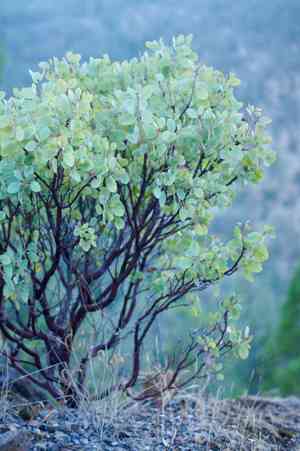
For whiteleaf manzanita, the most favorable period for relocation is after winter's cold recedes and the warmer conditions of late spring to early summer arrive, facilitating strong root development. Select a bright spot with superior drainage to enhance its vitality. A delicate approach is crucial when moving whiteleaf manzanita, to avoid harming its delicate root structure.
What Preparations are Needed Before Transplanting Whiteleaf Manzanita?
What is the Ideal Time for Transplanting Whiteleaf Manzanita?
The optimal period for relocating whiteleaf manzanita is during its active growth phaseâtypically from the onset of spring through early summer. This timeframe provides whiteleaf manzanita with the mild temperatures and extended daylight hours it needs for a successful move. Transplanting at this point leverages the plant's natural growth cycle, enabling it to establish itself firmly in its new location with minimal stress. A friendly reminder: Moving whiteleaf manzanita during this season aligns with its perennial rhythm, setting the stage for vigorous growth and robust health.
How Much Space Should You Leave Between Whiteleaf Manzanita Plants?
Allow your whiteleaf manzanita ample room to thrive! Aim for a spacing of approximately 6-10 feet (1.8-3 meters) between them. This prevents overcrowding, enabling them to reach their full, beautiful potential.
What is the Best Soil Mix for Whiteleaf Manzanita Transplanting?
Your whiteleaf manzanita will flourish in well-draining soil, so opt for a sandy or loamy type. Prior to planting, enrich the site with a balanced, slow-release fertilizer to give your whiteleaf manzanita an excellent start!
Where Should You Relocate Your Whiteleaf Manzanita?
Selecting a sunny location is crucial for the well-being of your whiteleaf manzanita. They thrive in full sun, so choose a spot where they will receive at least 6 hours of direct sunlight daily. They will reward you with vigorous growth!
What Equipments Should You Prepare Before Transplantation Whiteleaf Manzanita?
Gardening Gloves
To safeguard your hands while digging and handling the whiteleaf manzanita.
Shovel or Spade
To excavate the new planting hole and carefully extract the whiteleaf manzanita from its original spot.
Watering Can or Hose
To hydrate the whiteleaf manzanita before and after relocation to minimize transplant shock.
Pruning Shears
To trim any damaged roots or branches during the transplanting process.
Wheelbarrow
To transport the whiteleaf manzanita from its initial location to the new planting site.
Garden Trowel
For minor adjustments to the planting hole or for setting small seedlings.
Tape Measure
To ensure appropriate spacing between the newly transplanted whiteleaf manzanita's and other plants.
How Do You Remove Whiteleaf Manzanita from the Soil?
How Do You Remove Whiteleaf Manzanita from the Soil?
From Ground: Thoroughly water the whiteleaf manzanita to moisten the soil, then dig a wide circle around the plant with a shovel or spade, carefully preserving the root ball. Use the spade as a lever to gently lift the whiteleaf manzanita out.From Pot: Water the whiteleaf manzanita, gently tap and roll the pot to loosen the root ball, then tilt the pot and guide the plant out with your hands supporting the plant's base.From Seedling Tray: Moisten the whiteleaf manzanita seedlings, carefully separate them with a trowel, supporting the seedling by its rootball, avoiding damage to the delicate stem.
Step-by-Step Guide for Transplanting Whiteleaf Manzanita
Preparation Before Transplanting
Determine the best time for transplanting the whiteleaf manzanita during dormancy or cool weather. Prepare the new site by pre-digging the hole.
Root Ball Care
Keep the root ball of the whiteleaf manzanita intact when removing it from its original location. Trim any damaged roots with pruning shears.
Placing the Plant
Position the whiteleaf manzanita in the center of the new hole, ensuring it is upright and at the correct depth, with the top of the root ball level with the ground surface.
Refill the Hole
Backfill the hole with the excavated soil, gently firming the soil around the root ball of the whiteleaf manzanita without over-compacting it.
Watering After Transplanting
Thoroughly irrigate the whiteleaf manzanita after planting to settle the soil and hydrate the roots.
Stabilizing the Plant
Use your hands to slightly compact the soil around the plant's base, ensuring stability. A stake can be added if necessary for support.
How Do You Care For Whiteleaf Manzanita After Transplanting?
Initial Watering
Irrigate the whiteleaf manzanita gradually and deeply after transplanting, ensuring consistent moisture without waterlogging the plant.
Mulching
Apply a layer of mulch around the base of the whiteleaf manzanita to help retain moisture and regulate soil temperature.
Pruning
Prune only the damaged or dead branches to encourage growth, focusing on the plant's recovery rather than shaping it.
Inspection
Regularly check the whiteleaf manzanita for signs of stress and pests. Early detection can prevent larger issues.
Adjustments
Be prepared to make soil and support adjustments as the whiteleaf manzanita acclimates to its new location.
Troubleshooting Common Issues with Whiteleaf Manzanita Transplantation.
What's the ideal period for transplanting whiteleaf manzanita?
Relocate whiteleaf manzanita during the optimal window between late spring and early summer for best outcomes.
How far apart should I space whiteleaf manzanita when transplanting?
Provide whiteleaf manzanita ample room to grow by spacing them 6 to 10 feet apart (approximately 1.8 to 3 meters).
What to do if whiteleaf manzanita leaves wilt after transplanting?
Ensure adequate watering; whiteleaf manzanita may need additional hydration to recover from transplant shock.
Why is my whiteleaf manzanita not thriving after being transplanted?
Examine soil drainage and pH; whiteleaf manzanita prefers well-draining, acidic soils to flourish.
How deep should the planting hole be for whiteleaf manzanita?
The hole should be as deep as the root ball and twice its width to promote growth.
Should I fertilize whiteleaf manzanita right after transplanting?
Refrain from fertilizing; allow whiteleaf manzanita to establish itself and focus on root growth before adding nutrients.
What's the best way to water whiteleaf manzanita post-transplant?
Water deeply and slowly at the base to encourage roots to grow downwards.
How do I protect whiteleaf manzanita from the cold after transplanting?
Mulch around the base to insulate roots, but keep it away from the stem to prevent rot.
Can I transplant whiteleaf manzanita near other plants?
Certainly, just adhere to the recommended spacing to avoid overcrowding and competition for resources.
What are the signs of successful transplantation for whiteleaf manzanita?
New growth indicates successful transplantation; look for fresh leaves and shoots.



