How to Prune Whiteleaf manzanita?
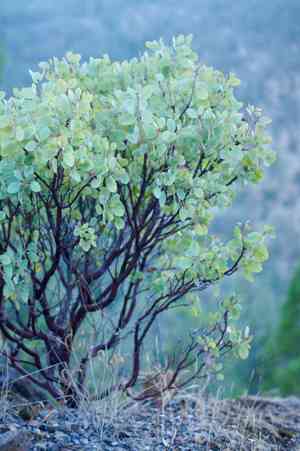
A indigenous woody plant featuring sleek, crimson bark and bell-shaped blossoms, Arctostaphylos viscida thrives with judicious trimming in the latter part of spring or early summer to foster air movement and refine its characteristic form. Eliminate any lifeless, ailing, or intersecting limbs at their origin. Reducing internal foliage aids in averting fungal infections and stimulates fresh development. Performing pruning after the blooming period facilitates seed distribution while preserving the plant's well-being and robustness.
Advantages of Trimming Whiteleaf Manzanita
Advantages of Trimming Whiteleaf Manzanita
Trimming whiteleaf manzanita promotes more abundant blooms by eliminating old wood, which encourages fresh growth. This action also helps prevent pest and disease issues by removing affected parts, allowing whiteleaf manzanita to stay robust.
Optimal Period for Pruning Whiteleaf Manzanita
Optimal Period for Pruning Whiteleaf Manzanita
Pruning whiteleaf manzanita in late spring and early summer coincides with the end of its flowering cycle and the start of new development. Trimming after blooming enables shaping the plant without sacrificing the next season's flowers, as whiteleaf manzanita forms buds on growth from the current or previous year. Late spring pruning ensures that any winter frost damage can be removed, fostering healthier and more vigorous growth. By early summer, the plant has typically entered an active growth phase, and pruning then helps direct energy to desired shoots and manage the plant's size and form. This timing also avoids peak sap flow, reducing stress on whiteleaf manzanita and minimizing the risk of disease and pest entry that can occur with cuts made during high sap flow periods, such as in spring. The recommended schedule avoids late summer or fall pruning, which could stimulate new growth that might not harden off before winter, potentially leading to frost damage.
Tools Required for Pruning Whiteleaf Manzanita
Bypass Pruners
Perfect for making clean cuts on live branches of whiteleaf manzanita, bypass pruners minimize tissue damage, which is vital for plant health.
Loppers
Effective for reaching higher branches and providing leverage to cut through thicker stems of whiteleaf manzanita, without overstraining the gardener.
Pruning Saw
Essential for cutting larger branches of whiteleaf manzanita that are too thick for bypass pruners or loppers, allowing for precise cuts on limbs several inches thick.
Gloves
Protective gloves are crucial not only for safety against sharp leaves but also for maintaining a firm grip on tools when pruning whiteleaf manzanita.
Disinfectant
Used to clean pruning tools between cuts to prevent disease transmission, preserving the health of whiteleaf manzanita.
How to Prune Whiteleaf Manzanita
Sanitation
Before beginning, sterilize pruning tools to prevent disease spread to whiteleaf manzanita.
Removal of diseased material
Trim away any diseased leaves and branches from whiteleaf manzanita, making clean cuts to avoid tearing bark or leaving stubs that could lead to further infection.
Removal of dead material
Eliminate all dead branches and withered leaves from whiteleaf manzanita. Make these cuts where the dead material meets healthy growth, being careful not to harm the healthy bark.
Withered flowers
Snip off faded flowers from whiteleaf manzanita to maintain a tidy appearance and potentially encourage more blooms. Trim these just above the first set of healthy leaves.
Manage growth
To control excessive growth and maintain the desired shape of whiteleaf manzanita, selectively prune branches that are crossing or growing out of bounds. Thin out dense areas to improve air circulation and light penetration.
Common Pruning Errors with Whiteleaf Manzanita
Over-pruning
Removing too much of whiteleaf manzanita's foliage at once can stress the plant and hinder its growth. This species needs minimal pruning; excessive cutting can result in weak and unproductive growth.
Incorrect cut placement
Cutting too far from a bud or node, or leaving a long stem stub, can prevent whiteleaf manzanita from healing properly and lead to diseases or pest infestation.
Tearing bark
Using dull tools or improper cutting technique that tears the bark of whiteleaf manzanita can create open wounds that expose the plant to diseases and pests.
Neglecting tool sanitation
Failing to sanitize pruning tools before use can spread diseases between whiteleaf manzanita plants and other species in the garden.
Ignoring dead wood
Overlooking the removal of dead or diseased branches in whiteleaf manzanita can compromise the overall health and appearance of the plant.
General Pruning Advice for Whiteleaf Manzanita
Minimal pruning approach
Whiteleaf manzanita benefits from a gentle touch when it comes to pruning. Focus on removing dead, diseased, or crossing branches to maintain plant health and its natural form.
Sharp and clean tools
Use sharp, clean pruning tools to create precise cuts that whiteleaf manzanita can heal from quickly, reducing the risk of infections.
Precise cutting
Make cuts close to a bud or branch node. For whiteleaf manzanita, it's crucial to cut at a 45-degree angle to prevent water from collecting on the cut surface, which could promote rot.
Monitoring growth
Regularly observe whiteleaf manzanita's growth for any signs of disease or overcrowding, but avoid excessive pruning. This allows whiteleaf manzanita to maintain its attractive, natural growth habit.
Thinning out
Thin out the interior of whiteleaf manzanita to improve air circulation, which reduces the risk of fungal diseases. However, do so sparingly to maintain a robust framework.
Post-pruning care
After pruning whiteleaf manzanita, provide adequate water and possibly a light application of fertilizer to support recovery and new growth.



