The Whiteleaf manzanita Plant Advantage: Maximizing Home and Office Appeal and Wellness
1
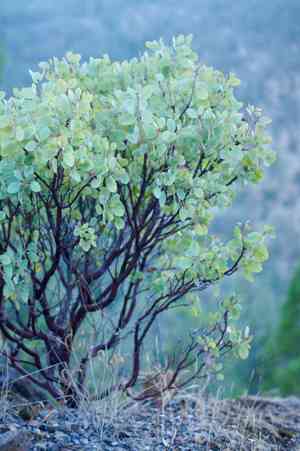
Arctostaphylos viscida aids in preventing soil loss and provides for local fauna.
2
Arctostaphylos viscida offers both aesthetic and functional benefits in garden design.
3
This species tolerates dry conditions and is ideal for xeriscaping.
Ecological Advantages of Whiteleaf Manzanita
How Does Whiteleaf Manzanita Prevent Soil Erosion?
A key ecological benefit of Whiteleaf manzanita is its capacity to prevent soil degradation. The plant's strong root system secures the earth, decreasing erosion risk, especially on sloped terrain. This makes it perfect for stabilizing areas prone to soil movement. Furthermore, its dense leaves help shield the ground from heavy rain, further reducing erosion.
What Role Does Whiteleaf Manzanita Play in Supporting Wildlife?
Whiteleaf manzanita is a vital part of its native ecosystem, offering sustenance and refuge for various animal species. The plant's seasonal berries are a significant food source for birds and small mammals, while its thick branches provide ideal nesting spots. By including Whiteleaf manzanita in natural settings, biodiversity can be supported and enhanced, leading to a more balanced ecosystem.
Landscaping Benefits of Whiteleaf Manzanita
Why Should You Consider Whiteleaf Manzanita for Drought-Resistant Gardens?
Water efficiency is a primary concern for modern gardens, and Whiteleaf manzanita excels here. This plant is exceptionally drought-tolerant, needing minimal watering once established. Its ability to thrive in arid conditions makes it an ideal choice for xeriscaping, helping to conserve water while maintaining an appealing garden.
How Can Whiteleaf Manzanita Enhance Aesthetic Appeal?
Beyond its practical uses, Whiteleaf manzanita adds considerable visual appeal to gardens and landscapes. Its evergreen foliage, often with lovely white or pink blooms, offers year-round visual interest. The plant's distinct, smooth, reddish-brown branches further boost its decorative charm. By incorporating Whiteleaf manzanita, homeowners and designers can achieve a balance of beauty and sustainability.
Practical Uses of Whiteleaf Manzanita
What Are the Practical Uses of Whiteleaf Manzanita in Landscaping?
Whiteleaf manzanita is not only good for natural environments but also has practical uses in designed spaces. Its dense foliage and tough nature make it an excellent choice for hedges and windbreaks. The plant can form natural barriers that protect other plants and structures from wind damage and offer privacy. Additionally, Whiteleaf manzanita can be used in fire-scaping, as its high moisture content helps slow fire spread in vulnerable areas.
How Can Whiteleaf Manzanita Be Used for Soil Improvement?
Whiteleaf manzanita plays a key role in enhancing soil quality. The plant contributes organic matter through fallen leaves, which decompose and enrich the soil with vital nutrients. This process improves soil fertility and structure, promoting healthy growth for nearby plants. By planting Whiteleaf manzanita, landowners can naturally boost their soil's quality, reducing the need for artificial fertilizers and improving the sustainability of their landscape management.



