How Much Sunlight Do Whiteleaf manzanita Need?
1
Whiteleaf manzanita flourishes in bright sunshine, needing a minimum of 6 hours of direct light each day.
2
It can endure some shade, but its best development occurs with greater light exposure.
3
Insufficient sunlight can result in inhibited development and reduced flowering for Whiteleaf manzanita.
Optimal Light Conditions for Whiteleaf Manzanita
Full Sun Exposure
For Whiteleaf manzanita, full sun exposure means receiving at least six hours of direct sunlight daily. This plant flourishes in such conditions, leading to vigorous growth, healthy leaves, and abundant blooms. Full sun not only supports the plant's development but also helps reduce disease risk, as sunlight can eliminate certain pathogens and fungi that thrive in damp, shaded areas.
Partial Sun Exposure
Whiteleaf manzanita can also endure partial sun conditions, meaning the plant gets approximately 3 to 6 hours of direct sunlight daily. While it won't be as robust as those in full sun, it will still grow and produce flowers. Partial sun exposure might be more suitable in extremely hot climates to prevent overheating or sunburn.
Understanding Whiteleaf Manzanita's Light Tolerance
High Sunlight Tolerance
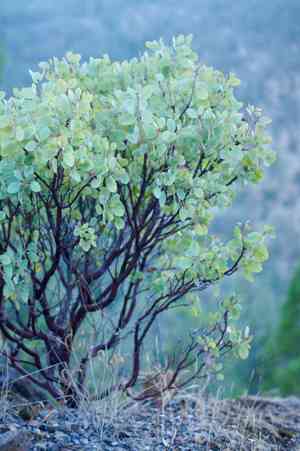
Whiteleaf manzanita is well-adapted to high sunlight environments. Its foliage and overall physiology are designed to maximize intense sunlight without suffering from sun stress. When given ample sunlight, the plant displays its true colors with rich red bark and glossy green leaves.
Shade Tolerance
Although primarily a sun-loving plant, Whiteleaf manzanita possesses some shade tolerance. However, extended periods in deep shade can result in etiolated growth, where the plant stretches toward the light source, diminishing its aesthetic appeal and structural integrity. Additionally, too much shade can limit flower and fruit production.
Impact of Varying Light Levels on Whiteleaf Manzanita
Growth Patterns in Full Sun
When situated in a full sun environment, Whiteleaf manzanita tends to develop a dense, bushy form with strong branches. The vigorous growth is typically faster, and the plant's overall health is more resilient. Full sun leads to a striking display of its reddish bark and attractive flowers, making it a stunning addition to any landscape.
Growth Patterns in Partial Sun
In partial sun, Whiteleaf manzanita may grow slightly taller and less dense compared to its full sun counterparts. This is due to the plant's natural inclination to seek more light. While it may still produce flowers, the blooming might not be as prolific, and the foliage may not be as vibrant. However, the plant will still maintain an aesthetically pleasing presence.
Ensuring Adequate Light for Whiteleaf Manzanita
Choosing the Right Planting Location
Selecting an ideal spot for planting Whiteleaf manzanita is crucial for its health and development. Aim for a location with unobstructed access to direct sunlight for a minimum of six hours daily. Avoid planting near tall buildings, walls, or large trees that might cast prolonged shadows on the plant.
Adjusting Planting Based on Light Availability
If your garden has varying light levels, consider the seasonal movement of the sun. In regions with intense summer heat, a spot that provides morning sun and afternoon shade can offer protection from extreme temperatures. Conversely, in cooler climates, prioritizing an area with maximum sun exposure throughout the day can ensure optimal growth.
Common Light Issues and Solutions for Whiteleaf Manzanita
Signs of Insufficient Sunlight
Insufficient sunlight can lead to various problems in Whiteleaf manzanita. Common signs include leggy growth, reduced flowering, dull leaf coloration, and decreased overall vigor. If you notice these symptoms, it's crucial to evaluate the plant's positioning and consider transplanting it to a sunnier spot if feasible.
Remedies for Sunburnt Leaves
In cases of sunburnt leaves, which appear as scorched or discolored patches, providing some temporary shade during peak sunlight hours can help the plant recover. You can use a shade cloth to filter the sunlight, ensuring the plant does not receive direct, harsh rays during the hottest parts of the day. Over time, the plant may acclimate and develop better tolerance to the sunlight.



