How to Transplant Woollyleaf manzanita?
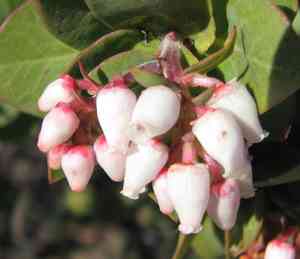
Woollyleaf manzanita thrives when carefully relocated in the lively, mild period of mid to late spring. To achieve the best outcome, choose sites that are sunny and have good drainage. If moving the plant, gently manage its root system to prevent undue disruption.
What Preparations are Needed Before Transplanting Woollyleaf Manzanita?
What is the Ideal Time for Transplanting Woollyleaf Manzanita?
Woollyleaf manzanita, a perennial, thrives best when moved from early to late spring. This period offers ideal soil moisture and milder weather, promoting better root establishment and growth. Transplanting during these months enhances its ability to adapt to new surroundings and ensures robust development without extreme temperature stress.
How Much Space Should You Leave Between Woollyleaf Manzanita Plants?
When relocating woollyleaf manzanita, ensure a distance of approximately 3 to 6 feet (0.9 to 1.8 meters) between each plant. This spacing promotes adequate airflow and room for expansion, fostering a healthy garden environment.
What is the Best Soil Mix for Woollyleaf Manzanita Transplanting?
For woollyleaf manzanita, utilize well-draining soil with a sandy or gravelly texture. Prepare the base soil by incorporating a low-nitrogen fertilizer to support the plant's development. Avoid overly rich or dense soil to prevent root rot.
Where Should You Relocate Your Woollyleaf Manzanita?
Select a sunny location for transplanting woollyleaf manzanita. This plant flourishes in full sunlight, requiring at least 6 hours of direct sun daily, ensuring vigorous growth and vitality. If partial shade is unavoidable, ensure it still receives ample morning sunlight.
What Equipments Should You Prepare Before Transplantation Woollyleaf Manzanita?
Gardening Gloves
To safeguard your hands while handling soil and the plant.
Shovel or Spade
For excavating around the plant and creating the new planting cavity.
Garden Fork
To loosen the soil surrounding the plant, especially for those in the ground.
Watering Can or Hose
To hydrate the plant before and after its relocation.
Burlap or Cloth
To encase the plant's root ball during transit (if applicable).
Pruners
For trimming any damaged roots or branches.
Wheelbarrow
To move the plant if it is large or heavy.
How Do You Remove Woollyleaf Manzanita from the Soil?
How Do You Remove Woollyleaf Manzanita from the Soil?
From Ground: First, moisten the woollyleaf manzanita plant's soil. Then, excavate a wide trench around the plant using a shovel or spade, ensuring the plant's root ball remains intact. Carefully work the spade beneath the root ball to lift the plant from its original spot.From Pot: Water the woollyleaf manzanita thoroughly. Gently invert the pot and carefully slide out the root ball, taking care not to harm the roots. If the plant is stuck, tap or squeeze the pot sides to loosen it.From Seedling Tray: Water the seedling tray first. Use a small tool or your fingers to gently lift the woollyleaf manzanita seedling from the tray, keeping as much soil around the roots as possible. Be careful not to damage the delicate roots.
Step-by-Step Guide for Transplanting Woollyleaf Manzanita
Site Preparation
Prepare the new planting location by digging a hole twice the width but the same depth as the root ball. Ensure the site meets space, soil, and sunlight requirements.
Conditioning Soil
Amend the soil if necessary, such as by adding compost to improve soil health.
Transplanting
Position the woollyleaf manzanita plant in the new hole, ensuring it sits at the same depth it was growing previously. Backfill the hole with soil and gently firm it down to eliminate any air pockets.
Watering
Water the plant thoroughly after transplanting to help settle the soil and hydrate the plant.
How Do You Care For Woollyleaf Manzanita After Transplanting?
Watering
Keep the soil around the woollyleaf manzanita consistently moist, but not waterlogged, for the initial weeks after transplanting to aid in strong root establishment.
Mulching
Apply a layer of mulch around the plant's base to help retain moisture and regulate soil temperature.
Monitoring
Regularly check for any signs of distress, such as wilting or yellowing leaves. Take necessary action, like adjusting watering or improving soil drainage.
Troubleshooting Common Issues with Woollyleaf Manzanita Transplantation.
When is the best time to transplant woollyleaf manzanita?
The optimal period to transplant woollyleaf manzanita is from early to late spring for prime growth.
How much space should be between woollyleaf manzanita plants?
Woollyleaf manzanita should be spaced 3-6 feet (0.9-1.8 meters) apart to accommodate mature growth.
What should the soil be like for transplanting woollyleaf manzanita?
Woollyleaf manzanita prefers well-draining, slightly acidic to neutral soil for healthy root development.
How deep should I plant woollyleaf manzanita when transplanting?
Plant woollyleaf manzanita at the same depth it was originally growing to avoid stress.
How do I prepare the transplant hole for woollyleaf manzanita?
Dig a hole twice as wide and as deep as the root ball for woollyleaf manzanita.
What should I do if woollyleaf manzanita shows signs of transplant shock?
Ensure proper watering, avoid over-fertilizing, and provide partial shade to help woollyleaf manzanita recover.
How often should I water woollyleaf manzanita after transplanting?
Water woollyleaf manzanita deeply immediately after transplanting, then regularly until it's well-established.
Is mulching beneficial for woollyleaf manzanita after transplanting?
Yes, apply a layer of mulch to retain moisture and regulate soil temperature for woollyleaf manzanita.
Should I prune woollyleaf manzanita before or after transplanting?
Prune damaged or diseased branches before transplanting to encourage healthy new growth.
How do I ensure good root growth in woollyleaf manzanita after transplanting?
Ensure consistent moisture and avoid disturbing the roots to promote healthy root growth for woollyleaf manzanita.



