How to Propagate Woollyleaf manzanita?
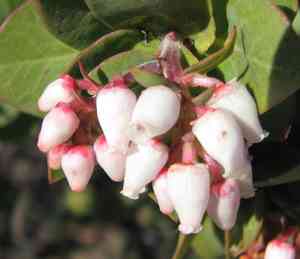
Arctostaphylos tomentosa, an evergreen bush, flourishes in littoral zones featuring porous earth and ample solar exposure. To propagate, acquire semi-lignified cuttings for rooting in a blend of sand and perlite. Sustaining elevated moisture levels and employing a rooting stimulant enhances successful establishment. Refrain from excessive watering, as the plant is susceptible to decay. Perseverance is crucial, as root development may span several months.
Optimal Period for Woollyleaf Manzanita Propagation
Propagation Method
Cutting
Propagation Period
Spring,Summer
Tools Required for Woollyleaf Manzanita Propagation
Sharp pruning shears
Crucial for obtaining clean, precise cuttings from woollyleaf manzanita. Sharp tools minimize plant damage and lower disease risk.
Root hormone gel or powder
Promotes root formation in woollyleaf manzanita cuttings, enhancing propagation success. Particularly helpful as woollyleaf manzanita may struggle to root without hormonal aid.
Seedling heat mat
Delivers consistent warmth from below to encourage root growth in woollyleaf manzanita cuttings. This tool helps maintain ideal temperatures for rooting.
Misting system or spray bottle
Keeps woollyleaf manzanita cuttings moist, reducing water loss and fostering better rooting conditions. Regular misting prevents desiccation, crucial for survival.
Sterilized propagation trays
Used to hold and arrange woollyleaf manzanita cuttings. Sterilized trays help prevent illness and provide a controlled rooting environment.
Clear humidity dome
Placed over propagation trays to create a moist atmosphere, beneficial for woollyleaf manzanita cuttings. High humidity reduces leaf water loss during rooting.
Well-draining propagation mix
Offers the correct balance of moisture retention and air circulation for woollyleaf manzanita cuttings. A suitable mix prevents waterlogged conditions that can cause decay.
Labeling tags or markers
Essential for tracking different groups of woollyleaf manzanita cuttings and ensuring correct identification during propagation. Clear labels aid organization and prevent mix-ups.
How to Propagate Woollyleaf Manzanita?
Propagation Type
Moderately Difficult
Caring for Your Newly Propagated Woollyleaf Manzanita
Caring for Your Newly Propagated Woollyleaf Manzanita
Once roots form, gradually introduce woollyleaf manzanita cuttings to outdoor conditions by removing the plastic cover for increasing durations daily. Transplant rooted cuttings into individual pots with well-draining soil. Water regularly, allowing soil to dry between waterings. Shield young plants from extreme temperatures and direct sun until established. Over time, slowly move woollyleaf manzanita to its permanent outdoor spot, ensuring ample space, light, and protection from strong winds.
Common Errors to Avoid When Propagating Woollyleaf Manzanita
Overwatering
Excessive watering can lead to root rot and fungal issues, severely impeding the plant's ability to thrive and propagate successfully.
Poor Soil Drainage
Planting woollyleaf manzanita in poorly draining soil can cause waterlogging, resulting in problems similar to overwatering, including root rot.
Using Inappropriate Cuttings
Not utilizing semi-hardwood cuttings can lead to poor or no root development, as woollyleaf manzanita propagates best from semi-hardwood sections.
Improper Temperature Control
Failure to maintain the correct temperature can stress cuttings, reducing their chances of successful rooting.
Lack of Patience
Expecting rapid results and disturbing cuttings too soon can hinder root formation, as woollyleaf manzanita requires time to establish roots.
Tips For Propagating Woollyleaf Manzanita
Well-Draining Soil
Utilize a soil mix that drains well to prevent waterlogging and promote healthy root development.
Semi-Hardwood Cuttings
Choose semi-hardwood cuttings for better root establishment, as this is typically the more successful method for woollyleaf manzanita.
Controlled Watering
Water cuttings sparingly and consistently, allowing the soil to dry slightly between waterings to prevent root rot.
Temperature Management
Maintain a stable temperature conducive to root development, ensuring cuttings do not experience extreme fluctuations.
Patience and Care
Allow sufficient time for root development without frequently disturbing the cuttings. Patience is crucial for successful propagation.



