How to Prune Woollyleaf manzanita?
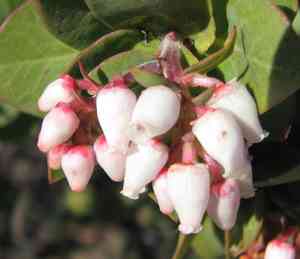
Arctostaphylos tomentosa is recognized by its fuzzy foliage and compact habit. The most effective time for trimming is in early spring to stimulate robust development and preserve its form. Concentrate on excising deceased or ailing wood, reducing congested limbs, and cutting back to viable buds. Trimming fosters air movement, diminishes problems with pests, and improves the plant's general well-being. Verify that sterile, keen implements are utilized to avert harm and facilitate rapid recovery.
What Are the Benefits of Pruning Woollyleaf Manzanita?
What Are the Benefits of Pruning Woollyleaf Manzanita?
Trimming woollyleaf manzanita encourages robust development and helps maintain its form. This species benefits from pruning as it fosters healthy growth, prevents illness, and keeps the plant manageable and visually appealing.
What Is the Best Time for Pruning Woollyleaf Manzanita?
What Is the Best Time for Pruning Woollyleaf Manzanita?
Early spring is optimal for pruning woollyleaf manzanita because it allows the plant to recover and grow effectively before its active season. Pruning at this time reduces the risk of disease and pest infestations, as fewer insects are active and potential disease agents are less common. Additionally, early spring pruning helps shape the plant and stimulates healthy new growth, which is crucial for the overall health and flowering or fruiting potential of woollyleaf manzanita later in the season.
What Tools Do I Need to Prune Woollyleaf Manzanita?
Hand Pruners
Essential for precise cuts on small branches and new growth. Perfect for shaping and maintaining the health of woollyleaf manzanita.
Lopping Shears
Useful for cutting thicker branches that hand pruners cannot handle. Aids in reaching and trimming inner parts of the plant.
Pruning Saw
Best for removing larger, woody stems. Effective in addressing older, more established branches without harming the plant.
Pole Pruners
Great for reaching higher branches without needing a ladder. Ensures safe and efficient pruning for taller sections of woollyleaf manzanita.
Bypass Pruners
Ideal for clean cuts that promote quicker healing. Perfect for regular upkeep and deadheading.
How to Prune Woollyleaf Manzanita
Assess
Inspect woollyleaf manzanita for diseased leaves, withered leaves, and dead or diseased branches. Focus on identifying parts that show signs of illness or damage.
Disinfect
Ensure pruning tools are properly sanitized before starting to prevent the spread of disease. Use a solution like a mix of bleach and water.
Remove diseased leaves
Carefully trim away all diseased leaves from woollyleaf manzanita, cutting close to the stem but avoiding harm to healthy tissue.
Remove withered leaves
Cut off any withered leaves to encourage new growth; make clean cuts to prevent further stress to woollyleaf manzanita.
Remove branches
Prune dead branches first, followed by diseased branches. Cut back to healthy wood and remove entire branches if substantially affected, ensuring cuts are made just outside the branch collar.
Common Pruning Mistakes with Woollyleaf Manzanita
Over-pruning
Reducing too much of the plant can stress woollyleaf manzanita and hinder its growth. It's essential to avoid excessive cutting.
Incorrect cuts
Making improper cuts, such as cutting too close to the main stem or leaving stubs, can cause damage and increase susceptibility to disease.
Pruning at the wrong height
Not paying attention to the plant's natural shape and pruning at an inappropriate height can lead to an unbalanced appearance and poor growth.
Using dirty or dull tools
Failing to clean or sharpen pruning tools can introduce pathogens and make clean cuts difficult, which can damage woollyleaf manzanita.
Ignoring dead or damaged wood
Neglecting to remove dead or damaged branches can hinder the plant's overall health and aesthetic.
Common Pruning Tips for Woollyleaf Manzanita
Know the plant
Understand the growth habits and structure of woollyleaf manzanita before starting. This will guide you in making thoughtful and beneficial cuts.
Use clean tools
Always use clean, sharp pruning tools to make precise and clean cuts that promote quick healing.
Focus on shaping
Prune to maintain or encourage the natural shape of woollyleaf manzanita, focusing on thin, crossing, or damaged branches.
Prune incrementally
It's better to prune a little each year rather than a lot in one go. This helps the plant recover and reduces stress.
Remove inward-growing branches
Eliminate any branches that are growing towards the center of the plant to improve air circulation and light penetration.



