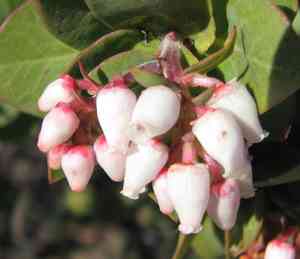
Woollyleaf manzanita (Arctostaphylos tomentosa)
Also known as: Dacite manzanita
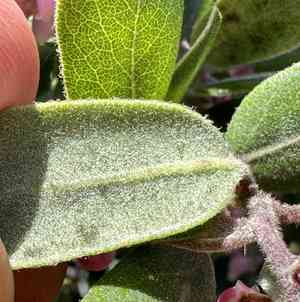
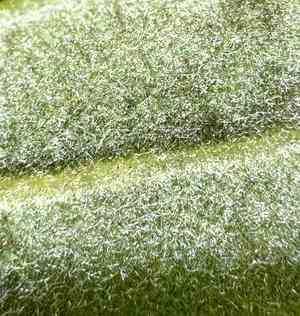
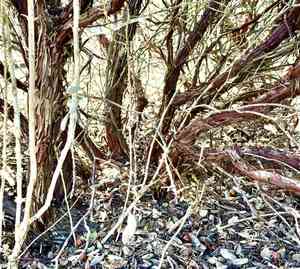
The woollyleaf manzanita, native to California's coastal areas, is an evergreen shrub known for its woolly, oval-shaped leaves and red-brown bark. It features clusters of small, urn-shaped flowers that range from white to pink. This hardy plant flourishes in well-drained, sandy or rocky soils typically found in coastal chaparral and scrub environments. Preferring full sun, it is highly drought-tolerant and well-adapted to surviving in dry, Mediterranean climates.
In This Article
Attributes of Woollyleaf manzanita
Lifespan
Perennial
Plant Type
Shrub
Plant Height
1 to 3 meters
Spread
1 to 2 meters
Leaf Color
Green to gray-green
Flower Size
0.5 to 1 centimeter
Flower Color
White to pink
Images of Woollyleaf manzanita
Quickly Identify Woollyleaf manzanita
1
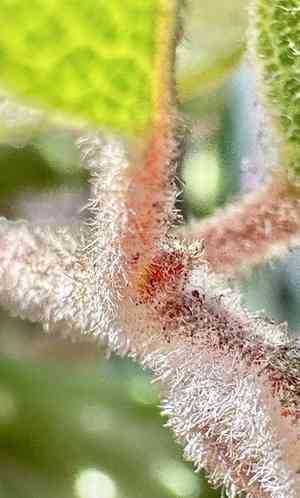
Arctostaphylos tomentosa can be identified by its thick, woolly leaves, reddish-brown bark, and white to pinkish urn-shaped flowers that bloom in clusters. Its berries are usually red and can be a distinguishing feature as well.
Scientific Classification of Woollyleaf manzanita
Phylum
Vascular plants
Class
Dicotyledons
Order
Ericales
Family
Heath
Genus
Arctostaphylos
Species
Woollyleaf manzanita
Planting and Growing of Woollyleaf manzanita
Care Difficulty
Easy
Watering Schedule
Every 2 days
Sunlight Requirements
Full sun
Sunshine Duration
6-12 hours
Ideal Temperature
60-75℉
Soil Type
Potting Mix, Peat Mix
Soil pH
6.5-7.5
Fertilizer Type
Balanced
Pruning Season
Spring, Summer
Pruning Area
Branches, Leaves
Pruning Frequency
2 times a year
Repotting Season
Spring
Pot Type
Plastic, Terracotta
 How to Water Woollyleaf manzanita?
Arctostaphylos tomentosa, commonly known as woolly manzanita, should be watered deeply but infrequently to mimic its natural habitat. The soil should be soaked thoroughly to about 500 ml per watering session, ensuring that the water reaches the root zone while allowing the topsoil to dry out between waterings.
What are the symptoms of an underwatered Woollyleaf manzanita?
›
What should I do if my Woollyleaf manzanita is not getting enough water?
›
What are the symptoms of an overwatered Woollyleaf manzanita?
›
How to save an overwatered Woollyleaf manzanita?
›
 What Are the Sunlight Requirements for Woollyleaf manzanita?
For Arctostaphylos tomentosa, the ideal light range is full to partial sun. Adequate light ensures vigorous growth, robust foliage, and prolific bloom. The plant's resilience and landscape appeal are significantly enhanced under these lighting conditions.
How much sun does it need?
›
What are the best positioning strategies?
›
Why is optimal light important?
›
 What Is the Ideal Temperature Range for Woollyleaf manzanita?
Arctostaphylos tomentosa thrives best within a temperature range of 60°F to 75°F. This range allows the plant to perform optimal photosynthesis, ensuring healthy growth. Maintaining this temperature range helps avoid stress conditions that may impact its development, enabling robust foliage and flowering.
 What Soil is Best for Woollyleaf manzanita?
Arctostaphylos tomentosa thrives in well-drained soils, which helps prevent root rot and supports healthy plant growth. Ensuring proper soil drainage mimics their natural habitat, promoting longevity and vibrancy. While not too nutrient-demanding, this plant benefits from moderate fertility levels which support its structured growth. A balanced nutrient presence fosters its charming blooms and robust foliage. Incorporating organic matter enhances soil texture, improving aeration and water retention. This creates a balanced environment conducive to Arctostaphylos tomentosa's unique root requirements.
 How to Fertilize Woollyleaf manzanita?
For Arctostaphylos tomentosa, it's vital to apply fertilizers lightly. Use about 1 tablespoon of a balanced, slow-release fertilizer for every square foot of planting area. Excessive fertilization can lead to adverse effects like nutrient burn.
 How to Prune Woollyleaf manzanita?
Begin by removing any dead or diseased branches. This helps to prevent the spread of disease and encourages healthy growth. Trim back overly long branches to maintain the desired shape. This involves cutting above a leaf node to encourage bushier growth. Thin out dense areas to improve air circulation within the canopy, reducing the likelihood of fungal infections. Regularly step back and assess the plant's overall shape and symmetry, ensuring a balanced look.
More About Pruning Techniques→
 How to Propagate Woollyleaf manzanita plant?
1
Collect seeds from mature berries, ensuring they are dry before storage. For cuttings, select healthy shoots and cut below a node.
2
Use a well-draining soil mix for either seeds or cuttings. Sterilizing the soil can prevent fungal diseases.
3
Plant seeds or cuttings in trays. Maintain consistent moisture without waterlogging. Cover the tray to increase humidity and warmth for cuttings.
 How to Repot Woollyleaf manzanita plant?
1
Arctostaphylos tomentosa signals its need for repotting when roots start circling the pot or when growth becomes stagnant. Spring and autumn offer ideal temperatures and reduced stress, making them the best times to repot.
2
Choose a pot slightly larger than its current one with drainage holes. It facilitates root expansion and prevents waterlogging, which is crucial for avoiding root rot common in poorly draining pots.
3
Opt for an acidic, well-draining soil mix, similar to its natural habitat. This soil composition enhances aeration and prevents water retention, catering to its preference for drier conditions.
Toxicity
Ingestion
WARNING
The judgment on toxicity and danger is for reference only. We DO NOT GUARANTEE any accuracy of such judgment. Therefore, you SHALL NOT rely on such judgment. It is IMPORTANT TO SEEK PROFESSIONAL ADVICE in advance when necessary.
Learn More About Woollyleaf manzanita Diseases
Anthracnose
Bacterial Leaf Spot
Crown Gall
Cyst Nematode
Damping-off
Downy Mildew
Drought Stress
Fusarium Wilt
Gray Mold
Leaf Spot
Mosaic
Nutrient Deficiency
Nutrient Toxicity
Powdery Mildew
Root Rot
Root-knot Nematode
Rusts
Sooty Mold
Spider Mites
Temperature Stress
Thrips Damage
White Mold
Chemical Injury



