How to Transplant Hoover's manzanita?
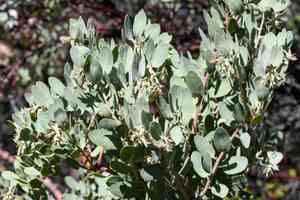
Relocating Hoover's manzanita is most effective from the beginning to the end of spring, utilizing the temperate climate for root development. Select a bright spot with soil that drains efficiently. Provide consistent irrigation at first to aid its development.
What Preparations are Necessary Before Relocating Hoover's Manzanita?
What is the Best Period for Relocating Hoover's Manzanita?
The prime season for relocating hoover's manzanita spans from early to late spring, as this timeframe provides suitable temperatures and ground conditions for root development. Moving the plant during spring minimizes transplant stress and encourages robust growth, ensuring its success in the new spot.
How Much Distance Should You Maintain Between Hoover's Manzanita Plants?
When relocating hoover's manzanita, ensure each plant is spaced approximately 4-6 feet (1.2-1.8 meters) apart. This spacing promotes proper air circulation and growth, reducing disease risk.
What is the Optimal Soil Blend for Hoover's Manzanita Relocation?
Prepare well-draining soil for hoover's manzanita. A mix of sandy or loamy soil is most effective. Gently incorporate a balanced base fertilizer into the soil to supply essential nutrients for the plant's initial development.
Where Should You Move Your Hoover's Manzanita?
Relocate hoover's manzanita to a spot that receives full sun. This plant thrives in areas with at least 6-8 hours of direct sunlight daily, ensuring it grows healthy and strong.
What Equipment Should You Prepare Before Relocating Hoover's Manzanita?
Gardening Gloves
To safeguard your hands while handling soil and the plant.
Hand Trowel
For carefully excavating around and lifting the plant, especially from a container or seedling tray.
Shovel or Spade
For digging a hole in the ground and for extracting the plant if it's already planted in the soil.
Pruning Shears
To trim any damaged or excessively long roots prior to relocation.
Watering Can or Hose
To moisten the soil before and after the relocation process.
Wheelbarrow or Bucket
To move the plant from its original spot to the new planting location.
How Do You Extract Hoover's Manzanita from the Soil?
How Do You Extract Hoover's Manzanita from the Soil?
From Ground: First, water the hoover's manzanita plant to moisten the soil. Then, dig a wide trench around the plant using a shovel or spade, ensuring the plant's root ball remains intact. Carefully work the spade beneath the root ball to lift the plant from its original position.From Pot: Gently water the soil in the pot to facilitate plant removal. Tap the sides of the pot to loosen the soil, then carefully slide the plant out. If necessary, use a hand trowel to assist in easing the plant out, being careful not to harm the roots.From Seedling Tray: Lightly water the seedlings first. Gently squeeze the bottom of the tray cells to loosen the soil. Using a hand trowel or your fingers, carefully lift the seedlings from the tray, keeping as much soil around the roots as possible.
Step-by-Step Guide for Relocating Hoover's Manzanita
Site Preparation
Select a location with suitable conditions for your hoover's manzanita. Dig a hole that is twice the width and as deep as the plant's root ball.
Plant Examination
Inspect the root ball for any damaged or overly long roots, trimming them with pruning shears if needed.
Soil Enrichment
Mix some compost or organic material into the soil removed from the hole to improve its quality.
Relocation
Place the hoover's manzanita into the hole, ensuring the top of the root ball is level with or slightly above the surrounding soil. Fill in around the plant with the enriched soil, gently pressing it down to remove air pockets.
Watering
Thoroughly water the hoover's manzanita after planting to settle the soil around the roots.
How Do You Care For Hoover's Manzanita After Relocation?
Watering
Keep the soil around the hoover's manzanita consistently moist but not waterlogged for the initial weeks after relocation to aid in strong root establishment.
Mulching
Apply a layer of mulch around the plant's base to retain moisture and regulate soil temperature.
Monitoring
Regularly check the plant for signs of stress, such as wilting or yellowing leaves, and take prompt action if necessary.
Staking
If the hoover's manzanita is tall and susceptible to wind damage, consider temporarily staking it to support the plant until it develops stronger roots.
Troubleshooting Common Issues with Hoover's Manzanita Relocation.
When is the best time to relocate hoover's manzanita?
Relocate hoover's manzanita from early spring to late spring for optimal growth conditions.
How much space should I leave between hoover's manzanita plants?
Leave 4-6 feet (1.2-1.8 meters) between hoover's manzanita plants to ensure ample space for growth.
What's the ideal soil type for hoover's manzanita?
Hoover's manzanita thrives in well-drained, slightly acidic to neutral soil for healthy growth.
Should I prune hoover's manzanita before relocating?
Lightly prune hoover's manzanita to remove dead or damaged branches before relocating for better health.
How deep should the hole be when relocating hoover's manzanita?
Dig a hole as deep as the root ball and twice as wide for hoover's manzanita.
How should I water hoover's manzanita after relocating?
Water hoover's manzanita thoroughly immediately after relocating, then regularly to keep the soil moist but not waterlogged.
Should I fertilize hoover's manzanita after relocating?
Avoid fertilizing immediately after relocating hoover's manzanita; wait a few weeks to prevent root burn.
How can I avoid relocation shock for hoover's manzanita?
Minimize relocation shock by relocating during cooler weather and ensuring adequate watering.
Can I relocate hoover's manzanita in full sun?
Hoover's manzanita prefers full sun to partial shade; relocate where it receives ample light.
How do I protect hoover's manzanita from pests after relocating?
Regularly check hoover's manzanita for pests and use natural remedies or insecticidal soap if needed.



