How to Prune Hoover's manzanita?
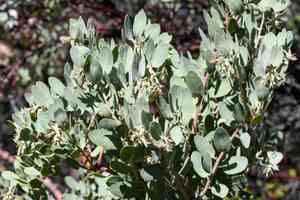
Hoover's manzanita, known for its thick, perennial leaves and campanulate blossoms, thrives with trimming performed in the early spring. This period aligns with the plant's impending growth phase, fostering strong health and vigor. Essential methods involve excising deceased or ailing wood, reducing congested limbs, and contouring the plant to enhance air movement. Consistent pruning also aids in preserving a pleasing shape and averts potential structural problems. These actions contribute to hoover's manzanita's comprehensive maturation and visual charm.
What Are the Benefits of Pruning Hoover's Manzanita?
What Are the Benefits of Pruning Hoover's Manzanita?
Hoover's manzanita benefits from trimming by encouraging robust growth and maintaining a desired form. Pruning helps control its size, promotes healthy development, and can enhance resistance to pests and diseases. Regular pruning ensures hoover's manzanita remains visually appealing and thrives in its habitat.
What Is the Best Time for Pruning Hoover's Manzanita?
What Is the Best Time for Pruning Hoover's Manzanita?
Trimming hoover's manzanita in early spring, just before new growth emerges, is optimal as it allows the plant to recover quickly and produce vigorous new shoots. This timing also minimizes the risk of disease and pest infestations. Furthermore, pruning during this period ensures that the plant's flowering and fruiting cycles are not disrupted, thus preserving its health and aesthetic value.
What Tools Do I Need to Prune Hoover's Manzanita?
Bypass Pruners
Perfect for making clean cuts on living wood. Essential for shaping hoover's manzanita and removing small branches and stems.
Loppers
Useful for cutting thicker branches (up to 2 inches). Provides leverage and assists with larger cuts on mature specimens of hoover's manzanita.
Pruning Saw
Necessary for removing larger branches. The sharp blade can handle tougher, thicker branches of hoover's manzanita while ensuring clean cuts.
Long-handled Shears
Effective for reaching higher branches and managing the form of hoover's manzanita without harming the plant.
How to Prune Hoover's Manzanita
Cleanliness
Sanitize pruning tools before beginning to prevent disease spread. Use a solution of one part bleach to ten parts water.
Inspection
Carefully examine hoover's manzanita for any diseased leaves, withered leaves, dead branches, and diseased branches. Mark these areas mentally or with a washable marker for targeted trimming.
Removal
Using sharp, disinfected pruners, remove diseased leaves and withered leaves by cutting at the base of the leaf stem where it connects to the main branch or trunk. Ensure cuts are clean to avoid further damage.
Cutting branches
Trim dead branches and diseased branches by cutting just above the branch collar (where the branch meets the main trunk). Make sure to cut at a slight angle to facilitate proper healing and water runoff.
Disposal
Dispose of all trimmed material safely by bagging and removing it from the garden area to prevent disease spread. Avoid composting diseased material to maintain a healthy garden environment.
Common Pruning Mistakes with Hoover's Manzanita
Over-pruning
Removing too much foliage at once can stress hoover's manzanita, hindering its growth and health. This plant species does not respond well to extensive trimming.
Improper tool usage
Using dull or dirty tools can cause jagged cuts and introduce disease. Always use sharp, clean pruning shears to make clean cuts.
Cutting at the wrong angle
Making cuts at incorrect angles can cause water to collect on the pruning cuts, promoting rot. Always cut at a 45-degree angle away from buds or branches.
Lack of regular maintenance
Neglecting regular trimming can lead to overgrown foliage, making it harder to manage and increasing the likelihood of disease and pests.
Common Pruning Tips for Hoover's Manzanita
Sanitizing tools
Always sanitize your pruning tools before and after use to prevent the spread of pathogens. A mix of one part bleach to ten parts water works well.
Selective pruning
Focus on removing dead, diseased, or damaged branches first. Then, thin out crowded areas to increase air circulation and light penetration.
Correct cutting technique
Make cuts just outside the branch collar (the swollen area where the branch attaches to the trunk) to encourage proper healing.
Young plant maintenance
For young hoover's manzanita, focus on shaping the plant and removing any competing leaders to establish a strong, healthy structure early on.



