How to Propagate Hoover's manzanita?
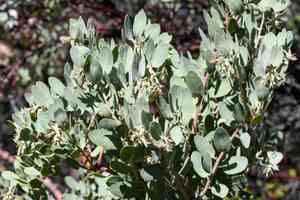
Arctostaphylos hooveri flourishes in porous, sandy substrates and favors abundant sunlight. For reproduction, semi-lignified cuttings acquired while the stem remains flexible produce optimal outcomes. Verify that the cuttings originate from robust specimens and are established in a blend of sand and peat. Steady hydration and safeguarding from harsh thermal conditions improve the likelihood of successful rooting. Frequent observation and careful manipulation are crucial for cultivating nascent plants.
When Is the Best Time to Propagate Hoover's Manzanita?
Propagation Type
Cutting
Propagation Season
Spring,Summer
What Tools Are Used for Hoover's Manzanita Propagation?
Sharp Pruning Shears
Utilized to obtain clean, precise cuttings from hoover's manzanita. A smooth cut minimizes tissue damage, encouraging superior root development.
Rooting Hormone
Applied to the severed ends of hoover's manzanita cuttings to stimulate root growth. This is especially helpful for woody plants like hoover's manzanita, boosting propagation success rates.
Sterile Growing Medium
Offers an ideal environment for root formation. A blend of sand and peat moss is frequently suggested for hoover's manzanita to ensure proper drainage and aeration.
Propagation Trays
Used to secure hoover's manzanita cuttings while they root. These trays help maintain consistent moisture and humidity, vital for root development.
Heating Mat
Ensures a steady soil temperature, promoting quicker and more dependable rooting for hoover's manzanita. Maintaining the correct temperature can be particularly important in colder climates.
Misting Bottle
Helps maintain the necessary humidity levels around hoover's manzanita cuttings, preventing dehydration and ensuring they stay hydrated during the rooting process.
Transparent Plastic Dome
Placed over propagation trays to create a mini-greenhouse effect, preserving high humidity and warmth around hoover's manzanita cuttings, crucial for successful root development.
Labeling Markers & Tags
Used to identify and date hoover's manzanita cuttings, essential for tracking various propagation batches and monitoring their progress.
How to Propagate Hoover's Manzanita?
Propagation Type
Moderately Difficult
How to Care for Your Newly Propagated Hoover's Manzanita?
How to Care for Your Newly Propagated Hoover's Manzanita?
Once hoover's manzanita cuttings have rooted and new growth is apparent, gradually introduce them to normal atmospheric conditions by reducing the humidity cover over time. Transplant the rooted cuttings into individual pots with well-draining soil, and continue to water them regularly, allowing the soil surface to dry between waterings. Position the young plants in an area with partial to full sun. Fertilize sparingly with a balanced, slow-release fertilizer. Monitor for pests and diseases, providing appropriate care as needed for healthy growth.
Common Mistakes to Avoid When Propagating Hoover's Manzanita
Overwatering
Excessive moisture can lead to root rot and fungal infections, which are detrimental to hoover's manzanita's survival.
Improper Soil Composition
Using soil that is too rich or does not mimic hoover's manzanita's natural habitat can hinder root formation and growth.
Neglecting Light Requirements
Insufficient sunlight or an incorrect light spectrum can reduce photosynthesis and impede propagation.
Incorrect Cutting Technique
Improperly taking cuttings or damaging the plant can prevent successful rooting and cause plant stress.
Ignoring pH Levels
Failing to maintain appropriate soil pH can negatively affect nutrient availability and uptake.
Tips For Propagating Hoover's Manzanita
Optimal Watering
Ensure well-draining soil and moderate watering to prevent root rot and maintain moist conditions without waterlogging.
Right Soil Mix
Use a sandy or gritty soil mix that closely resembles hoover's manzanita's natural environment to promote healthy root development.
Adequate Sunlight
Place the plant in a location that receives ample sunlight, ideally full sun, to support vigorous growth.
Clean Cutting Technique
Use sterile tools to take healthy cuttings, preferably from young, vigorous shoots, to enhance rooting success.
Monitor pH Levels
Maintain a slightly acidic to neutral soil pH to optimize nutrient absorption and plant health.



