How to Transplant Arctic daisy?
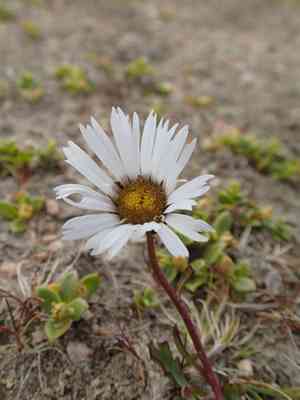
The most suitable period for relocating arctic daisy is from early to mid-spring, as the plant thrives in the mild environment of this season. Select a spot that receives ample sunlight to some shade. Verify that the ground offers good drainage and is rich in nutrients.
Essential Preparations Before Relocating Arctic Daisy
Optimal Period for Relocating Arctic Daisy
Arctic daisy, a perennial, is best moved in early to mid-spring. During this time, soil temperatures begin to rise, aiding root development before summer heat. Transplanting then allows arctic daisy to adapt gradually, ensuring strong growth and lasting health. Choosing spring offers a prime growth window, utilizing natural cycles for peak outcomes.
Recommended Spacing Between Arctic Daisy Plants
When moving arctic daisy, ensure plants are spaced 12-18 inches (30-45 cm) apart. This provides ample room for growth and promotes good air circulation to prevent disease.
Ideal Soil Blend for Arctic Daisy Relocation
For arctic daisy, prepare soil that drains well and is rich in organic matter. Incorporate a balanced base fertilizer like 10-10-10 before transplanting to give the plants a healthy start.
Selecting a New Location for Your Arctic Daisy
Choose a sunny spot for relocating arctic daisy. They flourish best in full sun, meaning at least 6 hours of direct sunlight daily.
Equipment Needed Before Relocating Arctic Daisy
Gardening Gloves
To safeguard your hands while handling soil and plants.
Shovel or Spade
For excavating the necessary holes and trenches for removal and planting.
Garden Trowel
Useful for more precise digging and working in confined areas.
Watering Can or Hose
To ensure the plant and soil receive adequate moisture during and after relocation.
Wheelbarrow
To transport the plant, soil, and other materials around the garden.
Plant Stakes or Supports
To offer support to the arctic daisy if required after transplanting.
Method for Extracting Arctic Daisy from the Soil
Method for Extracting Arctic Daisy from the Soil
From Pot: Start by thoroughly watering the arctic daisy plant to facilitate removal and minimize root damage. Gently tilt the pot sideways and carefully slide the plant out by either tapping the pot's base or easing the plant free with a garden trowel. Aim to keep the root ball intact to lessen transplant shock.From Ground: First, water the arctic daisy plant to moisten the soil. Then, dig a wide trench around the plant using a shovel or spade, ensuring the plant's root ball remains undisturbed. Carefully work the spade beneath the root ball to lift the plant from its original spot.From Seedling Tray: Water the arctic daisy seedlings to simplify removal. Use a garden trowel or gently press the bottom of the seedling tray cells to release the seedlings. Handle seedlings by their leaves to avoid harming delicate stems and roots.
Detailed Steps for Relocating Arctic Daisy
Soil Preparation
Prepare the new site by digging a hole twice as wide and the same depth as the arctic daisy's root ball. Loosen the surrounding soil to encourage root spread.
Plant Placement
Position the arctic daisy in the hole, ensuring the top of the root ball is level with the surrounding soil surface. Adjust the hole's depth if necessary.
Backfilling
Fill the hole with soil, gently tamping it down to remove air pockets. Confirm the plant is upright and stable.
Watering
Thoroughly water the relocated arctic daisy immediately after planting to help settle the soil and reduce transplant shock.
Mulching
Apply a layer of mulch around the base of the arctic daisy to help retain moisture and regulate soil temperature.
Post-Relocation Care for Arctic Daisy
Watering
Keep the soil around the arctic daisy consistently moist, but not waterlogged, for the initial weeks after transplanting to aid in strong root establishment.
Mulching
Ensure the mulch layer is maintained. Replenish the mulch as needed to sustain its effectiveness.
Staking
If the arctic daisy is tall or the new site is windy, provide temporary support with stakes or plant ties until the plant becomes established.
Monitoring
Regularly inspect the arctic daisy for signs of transplant shock, such as wilting or yellowing leaves. Adjust watering as necessary and consider using a plant support if needed.
Pruning
Remove any dead or damaged leaves and stems to promote healthy growth. Avoid excessive pruning initially to minimize stress on the plant.
Addressing Common Issues with Arctic Daisy Relocation.
When is the best time to move arctic daisy for optimal results?
Relocate arctic daisy in early to mid-spring for peak growth and establishment.
How much room should be left between arctic daisy plants?
Space arctic daisy plants 12-18 inches (30-45 cm) apart for healthy development.
What depth should arctic daisy be planted at in its new spot?
Plant arctic daisy at the same depth it was previously growing to prevent stress.
Which soil type is ideal for relocating arctic daisy?
Arctic daisy thrives in well-draining, nutrient-rich soil for optimal growth.
How do I prepare the new location for arctic daisy?
Prepare the site by loosening soil and incorporating compost to enrich it.
What if arctic daisy wilts after being moved?
Ensure arctic daisy is well-watered and shaded for a few days to aid recovery from transplant shock.
Should I trim arctic daisy before moving it?
Prune any damaged or excessively long roots and stems to reduce stress.
How often should I water arctic daisy after relocation?
Water arctic daisy regularly to keep the soil consistently moist but not waterlogged.
What kind of fertilizer should I use after moving arctic daisy?
Use a balanced, slow-release fertilizer to provide steady nutrients for establishment.
How can I safeguard arctic daisy from pests after relocation?
Regularly check arctic daisy for pests and apply organic insecticidal soap if necessary.



