How to Prune Arctic daisy?
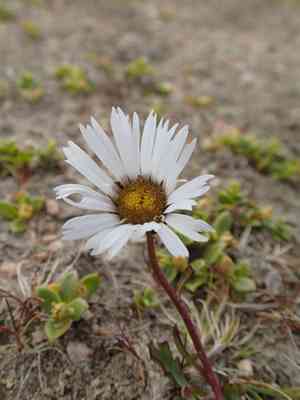
Recognized for its resilient character and appealing blossoms, arctic daisy thrives with trimming in early spring or late winter to foster robust development and abundant flowering. Eliminate any deceased or compromised stalks to avert illness, and reduce crowded sections to enhance air movement. Deadheading faded flowers can extend the blooming duration. The crucial step is to trim prior to the emergence of new shoots, guaranteeing the plant channels its vitality into new, strong growth. Consistent trimming preserves the plant's form and vitality.
What Are the Benefits of Pruning Arctic Daisy?
What Are the Benefits of Pruning Arctic Daisy?
Arctic daisy benefits from trimming as it encourages vigorous development and helps maintain a desired form. Regular trimming fosters healthier growth, prevents congestion, and enhances air movement, thereby lowering the risk of pests and diseases, leading to a more robust and visually appealing plant.
What Is the Best Time for Pruning Arctic Daisy?
What Is the Best Time for Pruning Arctic Daisy?
Trimming arctic daisy in early spring and late winter is ideal because this period coincides with the plant's dormant phase. Pruning during dormancy minimizes plant stress, promotes healthy development, and allows for improved airflow and light penetration as the growing season commences. Furthermore, pruning before the active growth period maximizes blooming potential and sustains overall plant structure.
What Tools Do I Need to Prune Arctic Daisy?
Hand Pruners
Perfect for precise cuts on small stems and branches, excellent for shaping and removing dead or damaged parts of arctic daisy.
Bypass Pruners
Ensure clean cuts on living stems without crushing plant tissue, which is crucial for the overall well-being of arctic daisy.
Hedge Shears
Useful for trimming multiple stems simultaneously to maintain a uniform, compact shape for arctic daisy.
Pruning Saw
Helpful for cutting through thicker stems or branches that hand pruners cannot manage, ensuring clean and efficient removal.
Gloves
Protect hands from thorns, scrapes, and debris while pruning arctic daisy, ensuring safety and comfort during the task.
How to Prune Arctic Daisy
Inspect
Carefully examine arctic daisy for diseased and withered foliage, identifying those showing signs of yellowing, wilting, or spotting.
Tools
Utilize clean, sharp pruning shears to ensure a neat cut and prevent the spread of illness. Sanitize tools prior to use to maintain plant health.
Remove Diseased
Cut off diseased leaves at their base where they connect to the stem, ensuring all infected material is removed to prevent further spread.
Remove Withered
Trim withered leaves by cutting them near the stem, taking care to avoid harming healthy sections of arctic daisy.
Dispose
Properly discard all removed leaves by placing them in a sealed bag and disposing of them, to prevent the spread of any pathogens to healthy plants.
Common Pruning Mistakes with Arctic Daisy
Over-pruning
Removing too many stems and leaves at once can weaken arctic daisy and hinder its growth and flowering.
Improper cuts
Making jagged or uneven cuts can leave arctic daisy susceptible to disease and pests. Cuts should be clean and at a slight angle.
Pruning at the wrong time
Pruning during the off-season can lead to stress and reduced flowering in the subsequent season.
Neglecting deadheading
Failing to remove spent blooms can diminish the energy arctic daisy allocates to producing new flowers.
Ignoring plant health
Pruning when arctic daisy is stressed by pests, disease, or insufficient watering can worsen these issues, leading to poor overall health.
Common Pruning Tips for Arctic Daisy
Use sharp, clean tools
Ensure your pruning shears are sharp and disinfected to make clean cuts and reduce the risk of disease transmission to arctic daisy.
Remove dead or damaged stems
Carefully cut away any dead, damaged, or diseased stems to improve air circulation and encourage healthy growth.
Focus on shaping
Prune arctic daisy to maintain an appealing shape, which also promotes better air circulation and light penetration.
Moderate deadheading
Regularly remove faded flowers to encourage continuous blooming and prevent the plant from investing energy into seed production.
Watch for overcrowding
Thin out congested areas within arctic daisy to promote better air circulation and reduce the risk of fungal diseases.



