How to Propagate Arctic daisy?
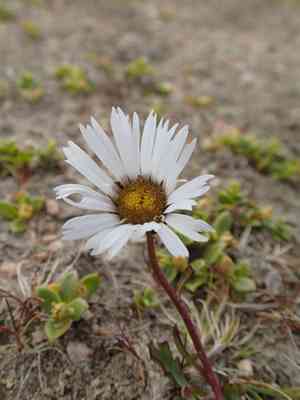
The Arctic daisy, a resilient perennial originating from frigid regions, flourishes in adequately draining earth exposed to ample sunlight. For reproduction, seeds may be planted directly into the ground. Verify that the soil is damp yet not oversaturated. Germination necessitates illumination, so avoid burying seeds too deeply. Maintain steady warmth and hydration for peak development. Consistent observation and thinning of young plants will foster more vigorous, sturdy specimens.
Optimal Time for Arctic Daisy Propagation
Propagation Method
Seeding
Propagation Period
Spring
Tools for Arctic Daisy Propagation
Seed Trays
Seed trays offer a structured and managed environment for planting arctic daisy seeds. Their compact, uniform cells facilitate even spacing and easy handling of young plants, which is vital for initial development.
Propagation Mix
A premium propagation blend, typically containing peat, perlite, and vermiculite, provides the necessary well-draining and nutrient-rich substrate for arctic daisy seeds to sprout and establish robust root systems.
Humidity Domes
Humidity domes help maintain ideal moisture and humidity levels, creating a microclimate favorable for arctic daisy seed germination and early growth. This tool is crucial for preventing desiccation and ensuring consistent hydration.
Heat Mats
Heat mats supply bottom warmth, which is advantageous for arctic daisy germination. Maintaining a steady soil temperature promotes more uniform and rapid sprouting, a key factor for successful propagation.
Spray Bottle
A spray bottle is essential for gently watering arctic daisy seeds without dislodging them. It allows for precise, controlled misting, keeping the propagation medium damp but not oversaturated.
Seed Label Markers
Labeling each seed tray with markers prevents confusion and tracks the various stages and types of arctic daisy, ensuring organized propagation efforts and better management of the developing seedlings.
Fine Sieve
Using a fine sieve to lightly cover seeds with propagation mix after planting ensures good seed-to-soil contact and protects delicate arctic daisy seeds from disturbance, improving germination success.
Bamboo Stakes
Small bamboo stakes can be used to support emerging arctic daisy seedlings as they grow, providing necessary stability and reducing the risk of damage from wind or accidental interference.
How to Propagate Arctic Daisy?
Propagation Type
Simple
Caring for Newly Propagated Arctic Daisy
Caring for Newly Propagated Arctic Daisy
Post-transplant, ensure arctic daisy receives full sun to partial shade, and water regularly to keep the soil moist but not waterlogged. Fertilize with a balanced, slow-release product during the growing season to encourage healthy growth and blooms. Regularly remove spent flowers to promote continuous blooming and prevent self-seeding unless more propagation is desired. Monitor for pests and diseases, and address any issues promptly to maintain plant health.
Common Propagation Mistakes for Arctic Daisy
Overwatering
Excessive watering can lead to root rot and fungal infections, impeding root development and overall plant vitality.
Improper Soil Temperature
Using soil that is too cold can slow or prevent root growth, leading to unsuccessful propagation.
Incorrect Soil Type
Employing heavy, poorly drained soil can suffocate roots and hinder proper development.
Inadequate Light
Providing insufficient light can result in leggy, weak plants that may not develop strong roots.
Tips For Propagating Arctic Daisy
Well-Draining Soil
Utilize a light, well-draining soil mix to prevent waterlogging and encourage healthy root development.
Controlled Watering
Water moderately, ensuring the soil remains moist but not saturated to prevent root rot.
Ideal Soil Temperature
Maintain a consistent soil temperature suitable for root development to ensure successful propagation.
Sufficient Light Exposure
Provide ample indirect sunlight to encourage strong, healthy growth during the propagation phase.



