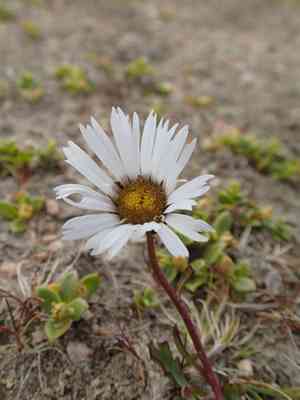
Arctic daisy (Arctanthemum arcticum)
Also known as: Arctic Daisy
The arctic daisy is a resilient perennial well-suited to frigid environments. It typically forms compact, ground-hugging clusters, which minimize exposure to the cold. Its leaves are covered in fine hairs, helping to retain warmth and moisture. Blooming from late spring to early summer, the arctic daisy displays white flowers with bright yellow centers, adding vibrant color to the tundra and attracting pollinators amidst the otherwise barren landscape.
In This Article
Attributes of Arctic daisy
Lifespan
Perennial
Plant Type
Herb
Plant Height
40 cm
Spread
60 cm
Leaf Color
Dark Green
Flower Size
2-4 cm
Flower Color
White with Yellow Center
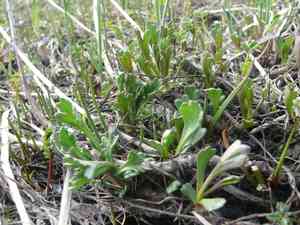
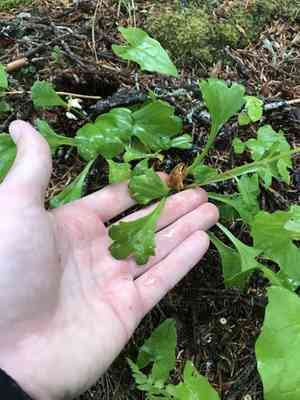
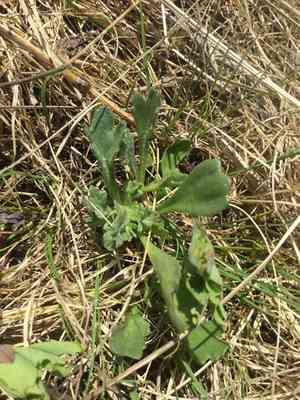
Images of Arctic daisy
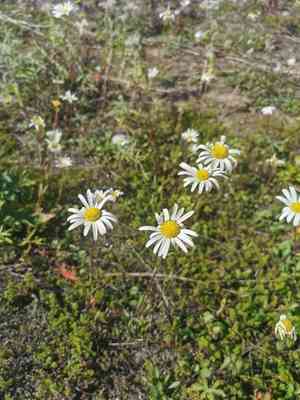
Quickly Identify Arctic daisy
1
Identification of Arctanthemum arcticum involves recognizing its low-growing habit, daisy-like white flowers with yellow centers, and small, oval-shaped, dark green leaves. It\'s important to observe its growth in cool climates, often near arctic tundra regions.
Scientific Classification of Arctic daisy
Phylum
Vascular plants
Class
Dicotyledons
Order
Asterales
Family
Daisy
Genus
Arctanthemum
Species
Arctic daisy
Planting and Growing of Arctic daisy
Care Difficulty
Moderate
Watering Schedule
Every 4 days
Sunlight Requirements
Full sun
Sunshine Duration
4-8 hours
Ideal Temperature
50-68℉
Soil Type
Potting Mix, Peat Mix
Soil pH
6.5-7.5
Fertilizer Type
Balanced
Pruning Season
Spring, Summer
Pruning Area
Branches, Leaves
Pruning Frequency
Once a year
Repotting Season
Spring
Pot Type
Ceramic, Plastic
 How to Water Arctic daisy?
When it comes to watering Arctanthemum arcticum, aim to provide about 500 milliliters of water per session. The soil should be thoroughly moistened without becoming waterlogged. It's essential to ensure that the water reaches the deeper roots while avoiding standing water in the pot saucer.
What are the symptoms of an underwatered Arctic daisy?
›
What should I do if my Arctic daisy is not getting enough water?
›
What are the symptoms of an overwatered Arctic daisy?
›
How to save an overwatered Arctic daisy?
›
 What Are the Sunlight Requirements for Arctic daisy?
Arctanthemum arcticum thrives in full to partial sun, benefiting from proper light, which results in healthy, robust foliage and an abundance of blooms, enhancing the plant's aesthetic and ecological value.
Solution for Ideal Light
›
How to Implement
›
Benefits of Ideal Light
›
 What Is the Ideal Temperature Range for Arctic daisy?
The ideal temperature range for Arctanthemum arcticum, commonly known as the Arctic Daisy, lies between 50°F and 68°F. This range supports optimal growth and flowering, ensuring the plant thrives and maintains its health. It is important to maintain these temperatures consistently for the best results.
 What Soil is Best for Arctic daisy?
The soil must drain exceptionally well to prevent root rot and other moisture-related issues. Well-drained soil keeps the plant's root system healthy, providing the right balance of moisture and aeration. This helps the plant absorb nutrients efficiently. This plant thrives in nutrient-rich soils that provide essential minerals for its growth. A fertile loam with balanced organic content ensures vibrant blooms and robust foliage, enriching the plant's resilience against pests and diseases. While drainage is crucial, the soil should retain enough moisture to sustain the plant between waterings. The right moisture balance helps in maintaining steady growth and prevents the plant from experiencing drought stress.
 How to Fertilize Arctic daisy?
Arctanthemum arcticum thrives best with a balanced fertilizer regimen. For liquid fertilizers, use a diluted 10-10-10 or similar balanced formula. Apply at a rate of 1 tablespoon per gallon of water, ensuring that the application is not too concentrated to avoid root burn. For granular slow-release types, apply about 2 ounces per square foot around the base, well-integrated into the soil, to support long-term nutrient provision.
 How to Prune Arctic daisy?
Begin by sanitizing your pruning shears to prevent the spread of disease. Trim back any dead or damaged stems first, cutting just above a healthy leaf node. For shaping and controlling size, prune the stems back by no more than a third to maintain its natural appearance. Regular removal of spent flowers encourages reblooming and extends the flowering period. If the plant becomes too leggy or overgrown, more severe pruning may be required. In early spring, before new growth emerges, cut back the plant more significantly to encourage a bushier regrowth. Avoid cutting into the old wood as it may not regenerate effectively.
More About Pruning Techniques→
 How to Propagate Arctic daisy plant?
1
Start by gathering Arctanthemum arcticum seeds and cleaning them of any debris. Use a high-quality potting mix and fill the seed tray, lightly pressing the seeds into the soil. Ensure they are slightly covered to promote germination.
2
Select a healthy parent plant and use sharp pruning shears to take cuttings approximately 4-6 inches long. Remove the lower leaves to expose the nodes, which will facilitate root growth in a suitable rooting medium.
3
Dig up a mature Arctanthemum arcticum plant during the early growing season. Gently separate the clump into smaller sections, each with roots and shoots. Replant the divisions in prepared beds with ample space for growth.
 How to Repot Arctic daisy plant?
1
Arctanthemum arcticum should be repotted when it shows signs of outgrowing its current pot, such as roots protruding from the drainage holes or water sitting on the surface longer than usual. Another signal is the plant’s growth becoming stagnant during its active growing seasons, indicating it may be struggle to obtain nutrients from the limited soil space.
2
Select a pot that is 1-2 inches larger in diameter than the current one. It should have several drainage holes to prevent waterlogging, which is crucial for preventing root rot. Using a slightly larger pot ensures that the plant has room to grow while avoiding the risks of excessive soil that may retain too much moisture.
3
Choosing the right soil is essential for Arctanthemum arcticum. A well-draining, sandy mix with some organic compost is ideal. This type of soil prevents water from stagnating around the roots, which is crucial for preventing root rot and ensuring that the plant's roots have access to ample air, supporting healthy growth.
Learn More About Arctic daisy Diseases
Anthracnose
Bacterial Leaf Spot
Bacterial Soft Rot
Bacterial Wilt
Black Spot
Chemical Injury
Crown Gall
Cyst Nematode
Damping-off
Downy Mildew
Drought Stress
Fusarium Wilt
Gray Mold
Leaf Spot
Mosaic
Nutrient Deficiency
Nutrient Toxicity
Powdery Mildew
Root Rot
Root-knot Nematode
Rusts
Sooty Mold
Spider Mites
Temperature Stress
Thrips Damage
White Mold



