How to Transplant East indian holly fern?
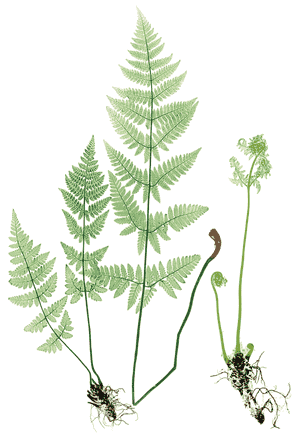
For a flourishing east indian holly fern, relocate it during the vigor of early to mid-spring, guaranteeing a partially shaded environment. Careful manipulation is essential for the east indian holly fern's fragile root system. A helpful tip is that placement is paramount – seek out a damp, adequately draining site.
Preparations Required Before Relocating East Indian Holly Fern
Optimal Period for Transplanting East Indian Holly Fern?
The perfect time for moving your vibrant east indian holly fern is at the onset of spring or during the heart of the spring season. During this interval, mild temperatures and favorable weather conditions aid the acclimatization and root establishment of east indian holly fern, ensuring robust growth. Embracing this timely shift revitalizes east indian holly fern, promoting root expansion in the increasing warmth and enabling it to thrive in the upcoming seasons.
Recommended Spacing Between East Indian Holly Fern Plants?
Arrange your garden layout so each east indian holly fern has approximately 2-3 feet (60-90 cm) of clearance from adjacent plants. This ensures your east indian holly fern have ample room to expand and develop without competition.
Best Soil Blend for East Indian Holly Fern Transplantation?
For east indian holly fern, prepare a fertile, acidic soil enriched with a compost-based amendment. It thrives in a mixture of humus, loamy soil, and sand. Gently mix the fertilizer into the soil prior to planting to provide east indian holly fern with a nourishing foundation.
Ideal Spot for Relocating Your East Indian Holly Fern?
Select a site that receives partial to full shade for east indian holly fern. This fern does not perform well in continuous direct sunlight. If your garden offers a location that is protected from the sun for part of the day, it would be suitable.
Equipment Needed Before Transplanting East Indian Holly Fern?
Gardening gloves
To safeguard your hands while handling soil and plants.
Trowel or Shovel
For excavating the hole where east indian holly fern will be replanted.
Pruning Shears
To remove any damaged or dead foliage from the plant before relocation.
Watering Can
To hydrate the plant before, during, and after the transplant process.
Bucket or Wheelbarrow
To move the plant from its original spot to its new position.
Garden Hoe or Rake
To smooth the soil over the root system once the plant is settled in its new hole.
Mulch
To safeguard the plant's root system and help maintain moisture.
How to Extract East Indian Holly Fern from the Soil?
How to Extract East Indian Holly Fern from the Soil?
From Ground: First, moisten the east indian holly fern plant by watering the soil. Next, use a trowel or shovel to dig a trench around the plant, making it wide and deep enough to accommodate the plant's root ball without causing damage. Carefully slide the shovel beneath the root ball, lift gently, and transfer the plant to a wheelbarrow or bucket for transport.From Pot: If the plant is currently in a container, begin by watering it thoroughly to facilitate easier root ball removal. Then, gently tilt the pot on its side and carefully slide the east indian holly fern out, handling it by the root ball and not by the stems or leaves.From Seedling Tray: If the east indian holly fern is still a seedling in a tray, water the tray and then use a spoon or similar tool to carefully loosen the soil around the seedling. Gently lift the seedling by its leaves, not the stem, ensuring you retrieve as much root as possible.
Step-by-Step Guide for Transplanting East Indian Holly Fern
Plant Preparation
Prepare the east indian holly fern by removing any dead or damaged leaves using pruning shears.
Plant Removal
Gently extract the east indian holly fern from its current location, as described above, ensuring the roots remain intact.
Hole Preparation
Dig a hole for the east indian holly fern that is twice as wide and equal in depth to the plantâs root ball.
Placing the Plant
Position the east indian holly fern in the hole. The top of the root ball should be level with or slightly above the top of the hole.
Backfilling
Refill the hole with soil, gently firming it around the base of the east indian holly fern.
Watering
After transplanting, thoroughly water the east indian holly fern to settle the soil around the roots and aid its establishment in the new location.
Mulching
Apply a layer of mulch around the plant's base to help retain moisture and deter weeds.
Post-Transplant Care for East Indian Holly Fern
Watering
Keep the soil around the east indian holly fern consistently moist, but not waterlogged, for the initial weeks following transplantation.
Pruning
As the east indian holly fern settles into its new spot, watch for any yellow or wilting leaves. Trimming these can help direct the plant's energy towards new growth.
Monitoring
Observe the plant for indications of transplant shock, which may include wilting, yellowing, and leaf drop. If these symptoms persist beyond a few weeks, you might need to re-evaluate your east indian holly fern's growing conditions and adjust as necessary.
Addressing Common Issues with East Indian Holly Fern Transplantation.
What is the ideal season for transplanting east indian holly fern?
Transplant east indian holly fern between the start of S1 and end of S2. This is the period when it establishes most effectively.
What spacing should I maintain when transplanting east indian holly fern?
Ideally, keep each east indian holly fern approximately 2-3 feet (0.6-0.9 meters) apart. This spacing promotes healthy growth.
How deep should I plant east indian holly fern when transplanting?
The planting hole should be deep enough to fully accommodate the root ball of east indian holly fern. Minor deviations are acceptable.
How frequently should I water east indian holly fern after transplanting?
Water east indian holly fern generously after transplanting, then moderately but consistently, to maintain soil moisture and support root development.
Can I transplant east indian holly fern in shaded area?
Absolutely! East indian holly fern thrives in shaded to semi-shaded environments. However, remember that extreme darkness can impede growth.
Should I fertilize east indian holly fern during transplant?
Yes, use a slow-release fertilizer to nourish east indian holly fern at the time of transplanting. This aids in root establishment.
How to prepare the ground for transplanting east indian holly fern?
Prepare a rich and well-draining soil mix. Then, dig a hole about two times the size of east indian holly fern's root ball.
Is there any pre-transplant care required for east indian holly fern?
Yes, water east indian holly fern deeply a day before the transplant. This facilitates the uprooting process and minimizes shock.
What happens if I transplant east indian holly fern outside of the S1-S2 season?
Transplanting east indian holly fern outside the optimal season can stress the plant and may result in slower growth or even plant death.
What if east indian holly fern shows signs of wilting after transplanting?
East indian holly fern might experience minor shock post-transplant. Maintain proper watering, ensure indirect light, and potentially shade from harsh sun for a few days.



