The East indian holly fern Plant Advantage: Maximizing Home and Office Appeal and Wellness
1
The East Indian holly fern makes a superb indoor plant because it requires minimal upkeep.
2
Its vibrant foliage beautifies any interior setting.
3
This fern variety contributes to better air quality by removing airborne contaminants.
What Makes East indian holly fern an Excellent Indoor Plant?
Effortless Upkeep
East indian holly fern is a superb option for those without extensive gardening experience. It needs minimal irrigation, flourishes in diffused light, and can adapt to diverse indoor settings. This makes it an ideal plant for busy individuals or gardening novices.
Visual Appeal
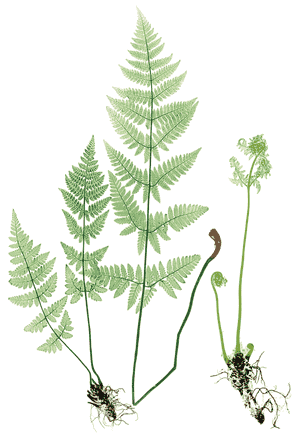
A prominent characteristic of East indian holly fern is its vibrant, deep green foliage. The plant's distinctive leaf pattern can act as a focal point in any space, instantly enhancing your living area's aesthetic. Whether in a decorative pot or hanging basket, it adds a touch of natural grace.
How Does East indian holly fern Enhance Indoor Air Quality?
Natural Air Purifier
East indian holly fern functions as a natural air purifier, effectively removing common indoor pollutants such as formaldehyde, benzene, and xylene. Its capacity to improve air quality makes it a valuable addition to homes, particularly in urban areas where air contamination can be a concern.
Elevate Humidity Levels
Plants release moisture into the atmosphere via a process known as transpiration. East indian holly fern can assist in raising humidity levels in your home, which is especially beneficial during dry periods or in low-humidity environments. Improved humidity can alleviate symptoms of dry skin, respiratory issues, and sinus problems.
What are the Mental Health Benefits of East indian holly fern?
Stress Reduction
Having plants in your living space has been shown to decrease stress and foster a sense of well-being. The presence of East indian holly fern, with its calming greenery, can help create a more tranquil and relaxing environment, making it easier to unwind after a demanding day.
Improved Focus and Productivity
Research indicates that plants in the workplace can boost concentration and output. East indian holly fern's lively and engaging appearance can inspire creativity and help maintain focus, whether you're working remotely or pursuing personal endeavors.
How to Care for East indian holly fern?
Optimal Light Conditions
While East indian holly fern can tolerate low light, it thrives best in bright, indirect sunlight. Ensure it's placed near a window where it can receive ample light without direct sun exposure, which could scorch its leaves.
Watering Guidelines
A crucial aspect of caring for East indian holly fern is maintaining a consistent watering schedule. The soil should remain moist, but not waterlogged. Overwatering can lead to root rot, so it's important to allow the top layer of soil to dry out between waterings. During colder months, reduce watering frequency.
Can East indian holly fern Flourish in Various Indoor Conditions?
Temperature and Humidity Preferences
East indian holly fern thrives in temperatures ranging from 60-75°F (15-24°C) and prefers high humidity. However, it can still survive in average room conditions, making it a versatile plant for diverse indoor environments.
Soil and Fertilization
East indian holly fern prefers a well-draining potting mix that retains some moisture. You can use a standard indoor plant potting mix and add a bit of perlite or sand for improved drainage. Fertilize East indian holly fern every two months during the growing season (spring and summer) with a balanced liquid fertilizer to ensure it receives essential nutrients.
Are There Any Specific Considerations for Cultivating East indian holly fern?
Pest Management
While East indian holly fern is relatively pest-resistant, it is not entirely immune to common indoor plant pests like spider mites, aphids, and scale. Regularly inspect the plant for any signs of infestation and treat it promptly with insecticidal soap or neem oil if necessary.
Propagation Advice
East indian holly fern can be propagated through division. The best time for this is during spring when the plant is actively growing. Carefully separate the root ball into smaller sections and replant them in individual pots. Proper care and attention will help the new plants establish and thrive.



