How to Propagate East indian holly fern?
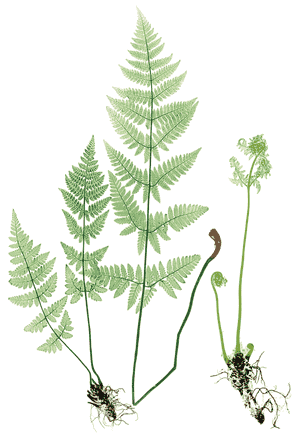
East Indian holly fern flourishes when reproduced via cuttings. For optimal results, choose robust, healthy fronds during their active growth phase. Employ a sharp, disinfected blade to create cuttings, ensuring each possesses at least one node. Insert these cuttings into a well-draining substrate, preferably a blend of peat and perlite, while sustaining elevated humidity and moderate illumination. Diligent monitoring of moisture levels, avoiding saturation, fosters root development.
Optimal Time for East Indian Holly Fern Propagation
Propagation Method
Cutting
Propagation Period
Spring,Summer
Tools Required for East Indian Holly Fern Propagation
Sharp pruning shears
Crucial for making clean cuts on east indian holly fern stems or fronds. Clean cuts prevent disease and promote faster healing, improving survival rates during cutting propagation.
Rooting hormone
This compound encourages root development from east indian holly fern cuttings. Applying it to the cut end of the stem or frond boosts the likelihood of successful rooting and vigorous initial growth.
Sterile potting mix
Offers a clean, controlled environment for east indian holly fern cuttings to establish roots. A sterile medium reduces the risk of soil-borne pathogens affecting new cuttings.
Humidity dome or plastic cover
Maintains high humidity around east indian holly fern cuttings, vital for preventing drying out until roots are established. This also helps maintain stable temperatures.
Small pots or trays
Used for planting individual east indian holly fern cuttings. Ensures young plants have ample space for root development without competition, leading to healthier growth and easier future transplanting.
Watering can with a gentle spray
Ensures east indian holly fern cuttings are watered gently without disturbing newly planted cuttings. Proper hydration is key for successful rooting and early growth.
How to Propagate East Indian Holly Fern
Propagation Difficulty
Easy
Caring for Your Newly Propagated East Indian Holly Fern
Caring for Your Newly Propagated East Indian Holly Fern
After propagation, gradually introduce new east indian holly fern plants to their intended growing conditions. Maintain high humidity through regular misting and ensure they receive low to moderate indirect light. Keep the soil consistently moist but avoid waterlogging. As east indian holly fern grows, repot into larger containers if needed to accommodate root expansion. Avoid direct sunlight and heavy soil, which can harm the delicate fronds of east indian holly fern. Fertilize sparingly with a diluted balanced fertilizer during the active growing season.
Common Propagation Errors to Avoid with East Indian Holly Fern
Overwatering
Excessive moisture can lead to root rot in east indian holly fern, especially since it requires well-drained soil. Saturated conditions hinder proper root development and increase susceptibility to diseases.
Excessive sunlight
East indian holly fern thrives in shaded areas, and too much direct sun can scorch its leaves, resulting in stunted growth and potentially killing young plants.
Using poor soil mix
Employing a soil mix that lacks adequate drainage or sufficient organic matter can severely impact the health of east indian holly fern, leading to poor root development and unsuccessful propagation.
Tips For Propagating East Indian Holly Fern
Appropriate division
Propagating east indian holly fern via root division during mature plant transplanting is effective. Ensure gentle division and prompt replanting to prevent root desiccation.
Maintain high humidity
East indian holly fern benefits from a humid environment, particularly during the initial propagation stages. Covering pots with plastic bags or using a humidity tray can create an ideal microclimate.
Use of healthy parent plants
For successful propagation, ensure the parent plant is healthy and disease-free. This increases the chances of young plants inheriting strong characteristics and thriving post-propagation.



