How to Transplant Running rockcress?
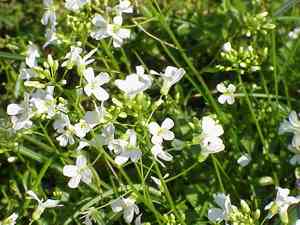
The most favorable period for relocating running rockcress is from the latter part of spring into early summer, which guarantees vigorous development. Choose a location that receives abundant sunlight and possesses soil with good drainage to foster prosperity. Careful manipulation is crucial to safeguard fragile root systems.
What Preparations are Needed Before Transplanting Running Rockcress?
What is the Ideal Time for Transplanting Running Rockcress?
The optimal period for relocating running rockcress spans from late spring into early summer. This timeframe provides gentle temperatures and consistent growing conditions, promoting strong root development and minimizing transplant stress. Choosing this season for the task ensures your running rockcress has ample opportunity to adapt and thrive in its new spot before intense summer heat or winter cold. So, carefully move your running rockcress to its new home when the air is mild and the soil is just warming, promising vigorous growth and a bountiful blooming season ahead.
How Much Space Should You Leave Between Running Rockcress Plants?
To allow your running rockcress sufficient room to flourish, aim for a spacing of approximately 15-18 inches (38-46 cm) between plants. This ensures adequate growing space without overcrowding, fostering healthy development and good air circulation.
What is the Best Soil Mix for Running Rockcress Transplanting?
Prepare the soil by ensuring it drains well and is rich in organic materialâsuch as compost or a balanced, slow-release fertilizer. Running rockcress thrives in loamy soil, so aim for this texture, and give your plant a strong start with a foundational layer of fertilizer.
Where Should You Relocate Your Running Rockcress?
Select a sunny spot in your garden where your running rockcress will receive at least 6 hours of direct sunlight daily. If possible, choose a location protected from harsh, drying winds to create an optimal environment for your perennial beauty.
What Equipments Should You Prepare Before Transplantation Running Rockcress?
Gardening Gloves
To safeguard your hands while handling soil and plants.
Trowel or Garden Shovel
For digging and moving soil and the plant.
Watering Can or Hose
To hydrate the plant before and after relocation.
Garden Fork or Spade
To loosen the soil around the plant during extraction.
Wheelbarrow or Bucket
To transport the running rockcress and soil to its new site.
Measuring Tape
To accurately space out planting holes.
Pruners or Sharp Scissors
To trim any damaged roots or foliage as necessary.
How Do You Remove Running Rockcress from the Soil?
How Do You Remove Running Rockcress from the Soil?
From Ground: Water the running rockcress thoroughly to moisten the soil. Dig a wide circle around the plant with a garden fork or spade, going deep to encompass the entire root ball. Gently work your tool beneath and lift the running rockcress from the ground with its roots intact.From Pot: Begin by watering the running rockcress well, then tilt the pot sideways and gently tap the sides to loosen the soil. Support the base of the running rockcress and carefully slide it out, ensuring the root ball remains cohesive.From Seedling Tray: Water the seedlings to soften the soil. Use a trowel or your fingers to carefully lift the running rockcress seedling from its compartment, taking care not to harm the delicate roots.
Step-by-Step Guide for Transplanting Running Rockcress
Preparation
Before starting, ensure the new planting site is ready for the running rockcress. Keep your tools easily accessible.
Root Ball
Gently remove any excess soil from around the root ball, being careful not to harm the roots themselves.
Hole Digging
Dig a hole in the new location that is twice as wide as the root ball but no deeper than its height, ensuring the running rockcress sits at the same level it was previously growing.
Placement
Position the running rockcress into the hole, making sure it is upright. Begin backfilling the hole with soil, gently firming it down as you go to eliminate air pockets.
Watering
Once the running rockcress is planted, water it thoroughly to help settle the soil and provide moisture for the roots.
Mulching
Apply a layer of mulch around the base of the running rockcress to help retain moisture and suppress weed growth. Be sure to keep the mulch away from the plant's stem to prevent rot.
How Do You Care For Running Rockcress After Transplanting?
Watering
Keep the soil around the running rockcress consistently moist to aid root establishment. Reduce watering frequency once new growth appears, indicating the plant is settling in.
Mulching
Maintain the mulch layer to preserve soil moisture and regulate temperature.
Support
If the running rockcress is tall or appears unstable, use plant supports to keep it upright and shield it from strong winds.
Monitoring
Regularly inspect the running rockcress for signs of stress, such as wilting or discolored leaves, and address them promptly.
Pruning
Trim off any foliage that appears damaged or diseased to encourage healthy growth and improve air circulation.
Troubleshooting Common Issues with Running Rockcress Transplantation.
When's the best time to transplant running rockcress?
The ideal time for transplanting is from mid-spring to early summer, when soil temperatures are warm and conditions are mild.
How far apart should I space running rockcress plants during transplant?
Aim for a spacing of 15-18 inches (38-45 cm) between each running rockcress to ensure sufficient room for growth.
Why is my running rockcress wilting after transplant?
Running rockcress may wilt if it's not adequately watered post-transplant or if roots were damaged during the process. Keep the soil moist to aid recovery.
What soil type is ideal for transplanting running rockcress?
Running rockcress prefers well-draining soil rich in organic matter. Amend heavy soils with compost to enhance drainage.
Can I transplant running rockcress on a hot, sunny day?
It's best to avoid transplanting running rockcress during the hottest part of the day. Choose a cool, cloudy day or evening to minimize transplant shock.
How deep should the hole be for transplanting running rockcress?
Dig a hole just deep enough so that the running rockcress's root ball will be level with the surrounding soil surface.
What's the sign that running rockcress has acclimatized after transplanting?
Healthy growth, new leaves, and no visible wilting indicate that running rockcress has successfully acclimatized.
Can I use fertilizer when transplanting running rockcress?
Yes, but sparingly. A balanced slow-release fertilizer can help running rockcress establish, but avoid strong doses that could harm the roots.
How do I prepare running rockcress for transplanting?
Water running rockcress thoroughly a day before transplanting to hydrate and facilitate the removal of the plant from its current location.
Why are the leaves of my running rockcress yellowing after transplant?
Yellowing may occur due to transplant shock or overwatering. Ensure the soil is moist, not waterlogged, and that the plant is stable.



