How to Prune Running rockcress?
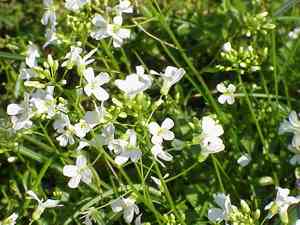
A perennial groundcover, running rockcress thrives with consistent shaping to preserve its thick leafage and stimulate flowering. Essential pruning methods involve removing faded blossoms and shortening elongated stems to vigorous sections. The best time for pruning is after spring or early summer blooms, with minor upkeep in autumn. Trimming encourages new development and prevents the core from hardening. Strategic cutting can also deter insects and illnesses, ensuring running rockcress remains lively and spreads uniformly.
What Are the Benefits of Pruning Running Rockcress?
What Are the Benefits of Pruning Running Rockcress?
Trimming running rockcress promotes robust development by eliminating lifeless or congested stems, thereby improving air circulation and light penetration. Regular shaping helps sustain an appealing form and can stimulate fresh growth, boosting its decorative value.
What Is the Best Time for Pruning Running Rockcress?
What Is the Best Time for Pruning Running Rockcress?
Pruning running rockcress in spring is ideal, occurring right after its winter dormancy as the plant begins its growth cycle. This timing encourages new development and helps shape the plant before it expends energy on flowering. Summer pruning is generally avoided to prevent stressing the plant during its peak growth and bloom period. After flowering, in early autumn, is also an excellent time to prune running rockcress to remove spent blooms, fostering a neat growth habit and potentially a modest second flowering. This also aids in disease prevention by enhancing air circulation before the plant enters winter dormancy.
What Tools Do I Need to Prune Running Rockcress?
Bypass Pruners
Perfect for making clean cuts on the slender stems of running rockcress, causing minimal harm to the plant's tissues.
Gardening Shears
Suitable for shaping and trimming the foliage of running rockcress, helping to maintain its desired spread and look.
Gloves
Essential for protecting hands while pruning running rockcress, ensuring safety from potential scrapes.
How to Prune Running Rockcress
Clean Tools
Sanitize pruning implements before beginning to prevent the transmission of disease to or from running rockcress. Use alcohol wipes or a solution of one part bleach to nine parts water to thoroughly clean the blades of your shears or clippers.
Diseased Leaves
Identify and remove any diseased leaves from running rockcress by carefully snipping them off at their base where they connect to the stem. Ensure clean cuts and avoid tearing the plant's tissue, which can create entry points for pests or diseases.
Withered Leaves
Trim off any withered leaves to maintain the aesthetic appeal of running rockcress and to redirect resources to healthier growth. Cut back the leaf stem to the base without harming nearby growth.
Dead Branches
Carefully prune dead branches from running rockcress by cutting them at the point of healthy tissue just above a leaf node or bud. Make angled cuts to facilitate water runoff and prevent rot.
Diseased Branches
Remove any diseased branches by making cuts well beyond the affected area to ensure the removal of all infected tissue. Dispose of the cuttings properly to prevent contamination of other plants.
Common Pruning Mistakes with Running Rockcress
Over-Pruning
Excessively cutting back running rockcress can result in weakened plants that produce fewer flowers. Pruning more than one-third of the plant at once may cause stress and reduce its vigor.
Improper Cut Location
Cutting running rockcress in the wrong place, such as too far above or too close to a leaf node, can lead to improper growth or damage to the plant.
Using Dull Tools
Pruning with dull or dirty tools can result in jagged cuts that harm running rockcress, making it more susceptible to disease and pests.
Common Pruning Tips for Running Rockcress
Selective Thinning
Remove only the necessary dead or weak stems of running rockcress to maintain good plant structure and encourage airflow, which is critical for the health of the plant.
Post-Flowering Cuts
Trimming running rockcress after flowering encourages the plant to produce new growth, which can result in more prolific blooms in the following season.
Sterile Equipment
Always use clean, sharp pruning shears to make clean, precise cuts on running rockcress, to minimize the risk of spreading diseases between plants.



