The Running rockcress Plant Advantage: Maximizing Home and Office Appeal and Wellness
1
Flourishes in diverse soil types, rendering it very versatile for landscaping.
2
Serves as a superb ground cover, aiding in the prevention of soil degradation.
3
Tolerates dry spells and needs little irrigation, making it an easy-care option.
What Makes Running rockcress Distinctive?
Versatility in Diverse Soil Types
A key characteristic of Running rockcress is its capacity to flourish across various soil compositions. Regardless of whether your garden features sandy, loamy, or clay soil, Running rockcress can adjust and thrive. This adaptability makes it an excellent option for gardeners facing less-than-perfect soil conditions.
Minimal Upkeep Requirements
Running rockcress is recognized for its low maintenance demands, making it a preferred choice for busy gardeners. It needs infrequent watering and can endure dry spells, reducing the time and effort required for plant care. This trait also positions it as an environmentally friendly option, as it conserves water resources.
Effective Ground Cover Solution
Another significant advantage of Running rockcress is its efficacy as a ground cover. Its thick growth habit aids in preventing soil erosion, making it a beneficial addition to sloped areas or regions prone to water runoff. By offering a protective layer, Running rockcress stabilizes the soil and enhances garden vitality.
Does Running rockcress Offer Aesthetic Value?
Visual Appeal
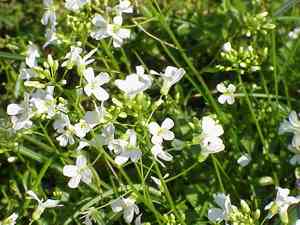
Running rockcress provides considerable decorative value with its appealing green foliage and delicate blooms. This plant adds texture and color to gardens, improving the visual charm of any landscape design. Its low-growing nature makes it suitable for border plantings, rock gardens, and even container cultivation.
Seasonal Blooms
Beyond its year-round greenery, Running rockcress produces seasonal flowers that introduce a burst of color. Depending on the cultivar, blossoms can range from white to pink or purple, offering a delightful contrast to its lush foliage. These flowers attract pollinators, such as bees and butterflies, adding to your garden's ecological worth.
Complementing Other Flora
Running rockcress's adaptability extends to its compatibility with other garden plants. It can be combined with taller perennials or shrubs to create layered garden designs. Its dense growth can also act as a natural weed suppressor, lessening the need for chemical herbicides and fostering a healthier garden environment.
How to Successfully Grow Running rockcress?
Optimal Planting Conditions
For best development, plant Running rockcress in areas with well-draining soil and ensure it receives ample sunlight. While it can tolerate partial shade, full sun exposure will lead to more robust growth and increased flowering. Ensure the planting site is free of competing weeds to give Running rockcress the best start.
Watering and Fertilization Practices
Although Running rockcress is drought-tolerant, consistent watering during the initial growth phase will help establish strong roots. Once mature, reduce watering frequency to prevent over-saturation. Applying a balanced fertilizer in the spring can boost growth and blooming, but excessive fertilization should be avoided to prevent leggy development.
Pruning and Upkeep
Pruning is generally minimal for Running rockcress, though occasional trimming can help maintain its form and encourage denser growth. Removing spent flowers will also promote continuous blooming and prevent self-seeding, which can become invasive in some areas. Regularly check for pests or diseases and take prompt action to resolve any issues.



