How to Transplant Riddell's dozedaisy?
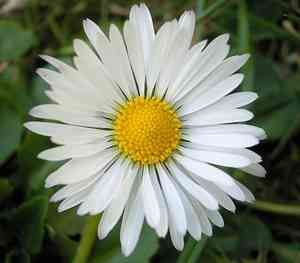
Riddell's dozedaisy flourishes when relocated from early spring through its concluding period. Opt for a sunny spot with good drainage to encourage optimal development. Verify that the soil remains damp yet not oversaturated. Pick a slightly alkaline soil type to enhance riddell's dozedaisy's vigor.
Essential Preparations Before Relocating Riddell's Dozedaisy?
Optimal Period for Relocating Riddell's Dozedaisy?
Moving riddell's dozedaisy during early to late spring is perfect, as it coincides with their primary growth phases. This timeframe ensures the ground is warm and rich in nutrients, fostering strong root development. Transplanting then helps riddell's dozedaisy establish itself prior to the peak growing season, maximizing its potential to flourish and bloom effectively.
Recommended Spacing Between Riddell's Dozedaisy Plants?
When relocating riddell's dozedaisy, ensure plants are spaced 18-24 inches (45-60 cm) apart. This provides ample room for growth and proper air circulation, vital for healthy plants.
Ideal Soil Mixture for Riddell's Dozedaisy Relocation?
Select well-draining soil for riddell's dozedaisy. Before moving, incorporate compost or a balanced base fertilizer to enrich the soil. This supplies crucial nutrients and a strong start for your plants. A pH range of 6.0 to 7.5 is optimal.
Preferred Location for Your Riddell's Dozedaisy?
Position riddell's dozedaisy where it receives full sunlight, meaning approximately 6-8 hours of direct sun daily. A bright, sunny spot will ensure your plants grow robustly and bloom beautifully.
Necessary Equipment for Riddell's Dozedaisy Transplantation?
Gardening Gloves
To safeguard your hands while handling soil and plants.
Hand Trowel
For excavating small holes and working around delicate root systems.
Garden Spade
To assist in digging larger holes and trenches for the relocation.
Watering Can or Hose
To hydrate the plant before and after the transplanting process.
Compost or Organic Matter
To enrich the soil at the new planting site.
Mulch
To retain moisture and inhibit weed growth around the newly relocated plant.
Method for Extracting Riddell's Dozedaisy from the Soil?
Method for Extracting Riddell's Dozedaisy from the Soil?
From Ground: First, water the riddell's dozedaisy plant to moisten the soil. Next, dig a wide trench around the plant using a shovel or spade, ensuring the plant's root ball remains intact. Carefully work the spade beneath the root ball to lift the plant from its original spot.From Pot: Hydrate the riddell's dozedaisy plant before removal. Gently tap the pot's sides to loosen the soil, then carefully invert the pot while supporting the plant's base. Gently ease the root ball out, taking care not to harm the roots.From Seedling Tray: Dampen the soil in the seedling tray to help loosen the roots. Use a small tool, such as a pencil or dibber, to gently lift each riddell's dozedaisy seedling from the tray, ensuring as much of the root system as possible remains intact.
Detailed Steps for Relocating Riddell's Dozedaisy
Prepare the Location
Ensure the new site is ready before extracting the riddell's dozedaisy plant from its initial spot. This involves digging a hole slightly larger than the plant's root ball.
Extract the Plant
(Depending on its original placement) Follow the described removal procedure to carefully and gently extract the riddell's dozedaisy plant from its initial location.
Move the Plant
Place the riddell's dozedaisy plant's root ball into the prepared hole at the new site. The top of the root ball should be level with the surrounding soil. Backfill the hole with soil, gently pressing around the plant's base to eliminate air pockets.
Water the Plant
Immediately water the newly relocated riddell's dozedaisy plant thoroughly to settle the soil around its roots.
Post-Transplanting Care for Riddell's Dozedaisy?
Watering
Maintain consistent moisture in the soil around the riddell's dozedaisy, avoiding sogginess, for the initial weeks after transplanting to encourage strong root development.
Mulching
Apply a layer of mulch around the base of the riddell's dozedaisy plant to retain moisture and suppress weeds, being careful not to pile it against the stem.
Monitoring
Regularly inspect the riddell's dozedaisy plant for indications of stress or pests, and address any issues promptly to ensure healthy growth.
Resolving Common Issues with Riddell's Dozedaisy Relocation.
When is the best time to relocate riddell's dozedaisy?
Move riddell's dozedaisy from early spring to late spring for optimal growth and establishment.
What spacing should I use for riddell's dozedaisy plants?
Space riddell's dozedaisy plants 18-24 inches (45-60 cm) apart to ensure they have ample room to grow.
What soil type is best for relocating riddell's dozedaisy?
Well-draining soil enriched with organic matter is ideal for relocating riddell's dozedaisy.
How should I prepare the soil before relocating riddell's dozedaisy?
Loosen the soil and blend in compost to enhance nutrient content before planting riddell's dozedaisy.
How deep should I plant riddell's dozedaisy when relocating?
Plant riddell's dozedaisy at the same depth it was growing in its original container.
How do I water riddell's dozedaisy after relocating?
Water riddell's dozedaisy immediately after relocating and keep the soil consistently moist, not waterlogged.
What if riddell's dozedaisy shows signs of transplant shock?
Reduce sun exposure, keep soil moist, and use a diluted fertilizer to manage transplant shock.
Is mulching beneficial for newly relocated riddell's dozedaisy?
Yes, a layer of mulch can help retain moisture and regulate soil temperature for riddell's dozedaisy.
What should I avoid when relocating riddell's dozedaisy?
Avoid damaging roots or planting too deep which can stress riddell's dozedaisy and hinder growth.
How much sunlight does riddell's dozedaisy need after relocating?
Riddell's dozedaisy thrives in full sunlight, so ensure it gets at least 6 hours of direct sun daily.



