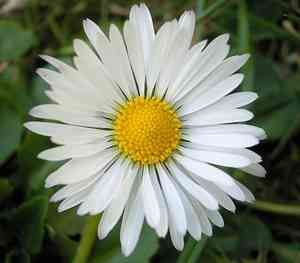
Riddell's dozedaisy (Aphanostephus riddellii)
Also known as: Riddell's lazy daisy
Riddell's dozedaisy (Aphanostephus riddellii) is a hardy perennial herb notable for its slender stems and minimal foliage. It flourishes in dry, arid environments, demonstrating an impressive drought tolerance with its thin, lance-shaped leaves. The plant features small, daisy-like blossoms composed of ray flowers, which resemble petals, surrounding clusters of disk flowers. These blooms are well-suited to attract pollinators in its typical habitats, which include prairies, open woodlands, and roadsides in the southwestern U.S. and northern Mexico.
In This Article
Attributes of Riddell's dozedaisy
Lifespan
Annual
Plant Type
Herb
Plant Height
30 cm to 91 cm
Spread
20-40 cm (8-16 inches)
Leaf Color
Green
Flower Size
1.5-2.5 cm (0.6-1 inches)
Flower Color
White with yellow center
Images of Riddell's dozedaisy
Quickly Identify Riddell's dozedaisy
1
This plant can be identified by its small, white ray flowers with golden-yellow centers, lanceolate green leaves, and its low-growing habit.
Scientific Classification of Riddell's dozedaisy
Phylum
Vascular plants
Class
Dicotyledons
Order
Asterales
Family
Daisy
Genus
Aphanostephus
Species
Riddell's dozedaisy
Planting and Growing of Riddell's dozedaisy
Care Difficulty
Easy
Watering Schedule
Every 4 days
Sunlight Requirements
Full sun
Sunshine Duration
4-6 hours
Ideal Temperature
70-80℉
Soil Type
Potting Mix, Peat Mix
Soil pH
6.5-7.5
Fertilizer Type
Balanced
Pruning Season
Spring, Summer
Pruning Area
Branches, Leaves
Pruning Frequency
2 times a year
Repotting Season
Spring
Pot Type
Plastic, Ceramic
 How to Water Riddell's dozedaisy?
For Aphanostephus riddellii, water until the soil is evenly moist, but not soggy. Aim for about 250 ml of water, allowing it to soak through the soil, ensuring that it's neither too dry nor too wet.
What are the symptoms of an underwatered Riddell's dozedaisy?
›
What should I do if my Riddell's dozedaisy is not getting enough water?
›
What are the symptoms of an overwatered Riddell's dozedaisy?
›
How to save an overwatered Riddell's dozedaisy?
›
 What Are the Sunlight Requirements for Riddell's dozedaisy?
The ideal light range for Aphanostephus riddellii includes direct sunlight for six to eight hours. Such exposure encourages lush growth and ample blooming, fortifying the plant against pests and diseases.
Optimal Light Exposure
›
Light Control Techniques
›
Benefits of Adequate Light
›
 What Is the Ideal Temperature Range for Riddell's dozedaisy?
Aphanostephus riddellii thrives in environments where the temperature is consistently between 70°F and 80°F. Within this range, the plant can photosynthesize effectively and maintain growth. Providing stable temperatures within this range leads to optimal health and blooming.
 What Soil is Best for Riddell's dozedaisy?
Aphanostephus riddellii thrives in well-draining soil, as it helps prevent root rot by allowing water to pass through without pooling. This is especially beneficial for ensuring healthy root development. While not overly demanding, this plant benefits from loamy soils that provide a moderate amount of nutrients, supporting sustained growth and vibrant blooms throughout its life cycle. Soil that is able to retain air pockets promotes root respiration and enhances nutrient uptake. This feature is crucial for the thriving of Aphanostephus riddellii in sandy or loamy soils.
 How to Fertilize Riddell's dozedaisy?
When it comes to fertilizing Aphanostephus riddellii, a balanced approach is crucial. A general guideline is to use a 10-10-10 NPK liquid fertilizer at half the recommended strength. Each application should involve approximately 100 ml of diluted solution per plant to avoid overwhelming the roots.
 How to Prune Riddell's dozedaisy?
Begin by sterilizing your pruning tools to prevent the spread of diseases. Examine the plant for any dead or diseased stems and remove them with a clean cut close to the base. Trim any leggy or overgrown branches to maintain the desired shape. Focus on cutting above a node to encourage new growth. Reduce the plant size by about one-third if it's overgrown, ensuring you don't cut too drastically in one session.
More About Pruning Techniques→
 How to Propagate Riddell's dozedaisy plant?
1
Start by preparing a well-draining growing medium suitable for seed propagation. This mix should consist of half potting soil and half perlite or vermiculite to enhance aeration.
2
Scatter the Aphanostephus riddellii seeds evenly over the prepared medium. Gently press them into the soil surface, but do not cover them, as they need light to germinate.
3
Select healthy, non-flowering stems from the parent plant for cuttings. Cut a 4-6 inch length and remove the lower leaves to expose the nodes, as these will form roots.
 How to Repot Riddell's dozedaisy plant?
1
Aphanostephus riddellii needs repotting when roots outgrow the current pot, soil drains poorly, or plant growth stalls. Spring and autumn are ideal when the plant is not in active bloom but still has favorable conditions for root establishment.
2
Choose a pot that's only slightly larger than the current one, ideally with drainage holes. This supports proper water drainage, prevents root rot, and accommodates gradual growth. A snug fit limits excess soil, reducing water retention issues.
3
Use a well-draining cactus mix. A suitable soil mix ensures adequate aeration, prevents waterlogging, and matches the plant’s natural habitat, mimicking desert-like conditions. This helps the plant adapt easily and thrive in its new container.
Learn More About Riddell's dozedaisy Diseases
Anthracnose
Bacterial Leaf Spot
Bacterial Soft Rot
Bacterial Wilt
Black Spot
Chemical Injury
Crown Gall
Cyst Nematode
Damping-off
Downy Mildew
Drought Stress
Fusarium Wilt
Gray Mold
Leaf Curl
Leaf Spot
Mosaic
Nutrient Deficiency
Nutrient Toxicity
Powdery Mildew
Root Rot
Root-knot Nematode
Rusts
Sooty Mold
Spider Mites
Temperature Stress
Thrips Damage
White Mold



