How to Prune Riddell's dozedaisy?
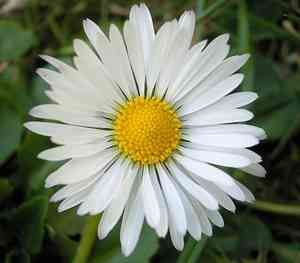
Riddell's dozedaisy, recognized for its appealing daisy-like blossoms, thrives with trimming to preserve its form and encourage robust development. The ideal periods for pruning are Spring, Summer, and Autumn. Concentrate on eliminating faded flowers and lifeless or injured stalks to stimulate fresh growth and boost blooming. Minor shaping can be performed after flowering. Consistent pruning aids in controlling the plant's stature and fosters a denser, more compact look. Always employ sanitized, sharp implements to avert the spread of pathogens.
Advantages of Trimming Riddell's Dozedaisy
Advantages of Trimming Riddell's Dozedaisy
Riddell's dozedaisy thrives with pruning, leading to robust growth and maintaining its form. Consistent trimming encourages healthy development, enhances appearance, and aids in pest and disease resistance.
Optimal Pruning Period for Riddell's Dozedaisy
Optimal Pruning Period for Riddell's Dozedaisy
Pruning in Spring, Summer, and Fall is ideal for riddell's dozedaisy as these seasons align with its active growth. Trimming during these times allows the plant to recover efficiently and retain its shape, fostering strong health and abundant blooms. Avoiding winter pruning is crucial to prevent stressing the plant during dormancy.
Essential Tools for Pruning Riddell's Dozedaisy
Bypass Pruners
Perfect for clean cuts on live branches and stems up to 0.5 inches, vital for shaping riddell's dozedaisy. Bypass pruners ensure precise cuts without harming the plant, promoting healthier development.
Hedge Shears
Excellent for trimming and shaping the overall structure of riddell's dozedaisy. Hedge shears help manage plant size and encourage denser growth by cutting multiple stems simultaneously. They are especially useful for refining the plant's look.
Pruning Saw
Useful for cutting thicker branches if riddell's dozedaisy has any woody stalks or older growth needing removal. Pruning saws are designed for efficient, tough cuts, ensuring a clean cut to prevent plant damage.
Steps to Prune Riddell's Dozedaisy
Identify
Examine riddell's dozedaisy to locate any withered leaves.
Tools
Sanitize your pruning shears or scissors to prevent disease transmission.
Trim
Carefully remove withered leaves close to the base, without harming healthy plant parts.
Dispose
Properly discard trimmed leaves to prevent pest attraction or disease spread.
Monitor
Regularly check riddell's dozedaisy for additional withered leaves and repeat pruning as needed.
Common Pruning Errors with Riddell's Dozedaisy
Over-pruning
Removing too much of riddell's dozedaisy at once can stress the plant, reducing its ability to photosynthesize and weakening its overall health.
Improper cuts
Making incorrect or jagged cuts can create wounds more susceptible to disease and pests.
Using dull tools
Dull pruning tools can crush stems instead of making clean cuts, leading to damage and slower healing.
Pruning at the wrong height
Cutting riddell's dozedaisy too low can remove vital growth points and hinder the development of new shoots and flowers.
Ignoring dead or diseased parts
Failing to remove dead or diseased foliage and stems can allow problems to spread and affect the overall health of riddell's dozedaisy.
General Pruning Advice for Riddell's Dozedaisy
Use sharp, clean tools
Always use sharp, clean pruning shears or scissors to ensure clean cuts and minimize disease transmission risk.
Make clean cuts
Make clean, angled cuts just above a leaf node or bud to promote healthy new growth and quick healing.
Remove dead or damaged growth
Regularly inspect riddell's dozedaisy and remove any dead, damaged, or diseased stems and foliage to maintain plant health.
Thin out overcrowded areas
Thin out overcrowded or crossing branches to improve air circulation and reduce the risk of fungal diseases.
Balance the plant's shape
Prune to maintain a balanced and aesthetically pleasing shape, which also promotes even growth and flowering.



