How to Propagate Riddell's dozedaisy?
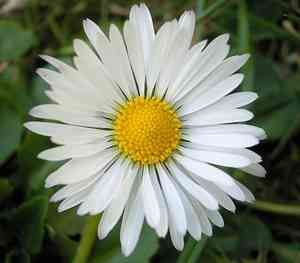
Riddell's dozedaisy is an appealing daisy-like wild bloom frequently encountered in areas featuring sandy substrates. For successful propagation of riddell's dozedaisy, begin by planting fresh seeds in soil that drains efficiently. Confirm the cultivation site receives abundant sunlight to encourage robust development. During planting, lightly conceal the seeds and maintain soil dampness until sprouting commences. Periodically inspect for infestations and ailments, although riddell's dozedaisy typically exhibits hardiness.
Optimal Period for Propagating Riddell's Dozedaisy
Propagation Method
Seeding
Propagation Period
Spring
Tools Required for Riddell's Dozedaisy Propagation
Seed Trays
Seed trays are vital for initiating riddell's dozedaisy seeds. They offer a controlled setting for germination, ensuring ample room for initial development and simplifying transplanting once seedlings are robust.
Seed Starting Mix
A premium seed starting mix is essential for riddell's dozedaisy, supplying necessary nutrients and proper texture for seed germination. It retains moisture while ensuring good drainage, crucial for preventing seedling ailments.
Misting Bottle
A misting bottle is utilized to maintain consistent moisture in the seed starting mix without over-saturating, which is important for the delicate riddell's dozedaisy seeds. It ensures even moisture distribution, promoting uniform germination.
Heating Mat
A heating mat helps maintain a steady temperature for germinating riddell's dozedaisy seeds. This is especially important when sowing seeds in cooler climates or indoors, as consistent warmth can significantly boost germination rates.
Plastic Dome
A plastic dome cover for seed trays aids in creating a humid microenvironment, crucial for riddell's dozedaisy germination. It prevents rapid soil drying and maintains optimal humidity levels for seedling health.
Label Stakes
Label stakes are useful for tracking seedlings during the propagation phase. Clearly identifying riddell's dozedaisy assists in monitoring its growth and maintaining organization, particularly when propagating multiple species simultaneously.
Fine Sieve
A fine sieve is employed to sprinkle a thin layer of soil or vermiculite over riddell's dozedaisy seeds after sowing. This helps secure the seeds and provides a light cover that doesn't hinder emergence while retaining moisture.
Pencil or Dibber
A pencil or dibber is useful for creating small, uniform indentations in the soil for sowing riddell's dozedaisy seeds. It ensures each seed is sown at the appropriate depth, which is crucial for successful germination.
How to Propagate Riddell's Dozedaisy?
Propagation Type
Simple
Caring for Your Newly Propagated Riddell's Dozedaisy
Caring for Your Newly Propagated Riddell's Dozedaisy
Once seedlings reach 2-3 inches and have several true leaves, carefully move them to individual pots or directly into the garden. Place them in full sun. Ensure well-draining soil and water regularly, allowing the top inch of soil to dry between waterings. For best growth, fertilize monthly with a balanced product and shield young plants from harsh weather and pests. Prune and deadhead regularly to encourage bushier growth and extended blooming.
Common Errors to Avoid When Propagating Riddell's Dozedaisy
Overwatering
Excessive moisture can lead to root rot and fungal diseases, impeding successful riddell's dozedaisy propagation.
Improper Soil Mix
Using dense or poorly draining soil can suffocate roots and hinder development.
Insufficient Light
Lack of adequate sunlight can result in weak, leggy growth, impacting the plantâs vitality.
Incorrect Cutting Technique
Taking cuttings improperly can harm the parent plant and reduce successful rooting chances.
Neglecting Humidity
Low humidity can cause cuttings to dry out, making rooting difficult.
Tips For Propagating Riddell's Dozedaisy
Use Well-Draining Soil
Select a light, sandy soil mix to ensure proper drainage and aeration for root development.
Moderate Watering
Water cuttings sparingly to keep the soil slightly moist but not waterlogged.
Provide Adequate Light
Place cuttings in a bright location with indirect sunlight to promote healthy growth.
Precision in Cutting
Use clean, sharp scissors or pruning shears for cuttings, ensuring cuts are made below a node.
Maintain High Humidity
Cover cuttings with a plastic dome or place them in a humid environment to retain moisture.



