How to Transplant California sweet grass?
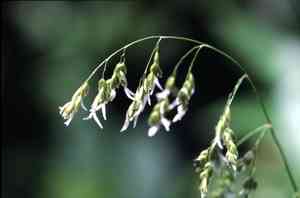
California sweet grass, a perennial species, flourishes most effectively when relocated between early and mid-spring, capitalizing on the period's prime growing environment. Choose a bright spot with soil that drains efficiently for the best outcome. Guarantee minimal disruption to the root system for a successful transfer.
What Preparations are Needed Before Transplanting California Sweet Grass?
What is the Ideal Time for Transplanting California Sweet Grass?
The best time to move california sweet grass is from the start of spring until its peak. This period benefits from warmer soil and mild temperatures, which aid root development. Relocating california sweet grass during this phase ensures strong growth and resilience, as the plant utilizes the full upcoming growing season.
How Much Space Should You Leave Between California Sweet Grass Plants?
For california sweet grass, aim to position plants 12-18 inches (30-45 cm) apart. This provides them with sufficient area to expand and thrive without becoming overcrowded.
What is the Best Soil Mix for California Sweet Grass Transplanting?
Prepare soil that drains well, mixed with compost or a balanced base fertilizer to enrich it. California sweet grass flourishes best in fertile, loamy soil.
Where Should You Relocate Your California Sweet Grass?
Select a location that receives direct sunlight for at least 6 hours daily. California sweet grass loves sun and will perform optimally when situated in bright, sunny spots.
What Equipments Should You Prepare Before Transplantation California Sweet Grass?
Gardening Gloves
To safeguard your hands while handling soil and plants.
Shovel or Spade
For excavating holes and trenches.
Trowel
Useful for precise digging tasks.
Garden Fork
To loosen the earth around the plantâs initial position.
Watering Can or Hose
For hydrating the plant before and after its relocation.
Pruners
To trim any damaged or dead roots or foliage.
Mulch
To assist in retaining moisture post-transplant.
Stakes and Garden Twine
To support the plant if it is tall or prone to bending.
Wheelbarrow
To transport the plant if it's large.
How Do You Remove California Sweet Grass from the Soil?
How Do You Remove California Sweet Grass from the Soil?
From Ground: First, water the california sweet grass plant to moisten the soil. Then, dig a wide trench around the plant using a shovel or spade, ensuring the plant's root ball remains intact. Carefully work the spade under the root ball to lift the plant from its original location.From Pot: Begin by thoroughly watering the california sweet grass plant to soften the soil. Gently tap the sides of the pot to loosen the soil and root ball. Carefully tilt the pot and slide the plant out, ensuring the root ball stays intact.From Seedling Tray: Water the seedling thoroughly to ease removal. Use a trowel or your fingers to gently lift each seedling from the tray, supporting the root ball to prevent damage.
Step-by-Step Guide for Transplanting California Sweet Grass
Preparation
Prepare the new site by digging a hole twice as wide and the same depth as the california sweet grass's root ball.
Soil Amendment
If necessary, amend the soil with organic matter to improve drainage and fertility.
Soil Removal
Remove the california sweet grass from its original location as described in the removal process.
Setting Plant
Place the california sweet grass in the new hole, ensuring the top of the root ball is level with the surrounding soil.
Backfilling
Fill in the hole with the excavated soil, gently tamping it down to eliminate air pockets.
Watering
Water the california sweet grass thoroughly after setting it in its new location to help settle the soil around the roots.
Mulching
Apply a layer of mulch around the base of the plant to retain moisture and regulate soil temperature.
Staking
If necessary, use stakes and garden twine to support the plant until it establishes itself in the new location.
How Do You Care For California Sweet Grass After Transplanting?
Watering
Keep the soil around the california sweet grass consistently moist, but not soggy, for the first few weeks after transplanting to help establish strong roots.
Mulching
Replenish mulch as needed to maintain a 2-3 inch layer, keeping it away from the base of the plant.
Pruning
Remove any damaged or dead foliage to encourage new growth.
Monitoring
Keep an eye on the plant for any signs of stress such as wilting, yellowing leaves, or slowed growth. Address issues promptly.
Protection
Consider providing temporary shade protection if the plant shows signs of sun stress.
Troubleshooting Common Issues with California Sweet Grass Transplantation.
When is the best time to transplant california sweet grass?
The optimal time for transplanting california sweet grass is from early spring to late spring.
How much space should I leave between plants?
Space california sweet grass plants 12-18 inches (30-45 cm) apart for healthy growth.
What soil type is best for transplanting california sweet grass?
California sweet grass thrives in well-draining soil with moderate fertility for the best results.
How should I prepare the root ball before transplanting?
Gently loosen the roots of california sweet grass to encourage establishment in its new location.
How deep should the planting hole be?
Dig a hole as deep as the root ball and twice as wide to ensure room for growth.
What should I do if the leaves turn brown after transplanting?
Brown leaves may indicate transplant shock; ensure proper watering and mulching to help recovery.
How often should I water california sweet grass after transplanting?
Water california sweet grass regularly, keeping the soil consistently moist but not waterlogged during the initial weeks.
Can I fertilize california sweet grass immediately after transplanting?
Wait a few weeks before fertilizing california sweet grass; too much fertilizer can stress a newly transplanted plant.
How can I protect california sweet grass during hot weather post-transplant?
Provide shade and water more frequently to prevent heat stress on the newly transplanted california sweet grass.
What are common pests and diseases affecting california sweet grass after transplanting?
Watch for fungal infections and pests like aphids; maintaining plant health helps in preventing issues.



