How to Prune California sweet grass?
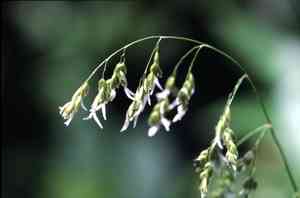
California sweet grass exhibits delicate, aromatic foliage. Essential trimming entails removing mature growth to stimulate fresh, robust stems. The ideal periods for this are early spring and winter, coinciding with its inactive phase and rapid development. Pruning at these times aids in preserving vitality and averting ailments. Consistent cutting ensures a neat look and improves air movement. Always employ sanitized, keen implements to prevent harm to the plant.
What Are the Benefits of Pruning California Sweet Grass?
What Are the Benefits of Pruning California Sweet Grass?
California sweet grass thrives with trimming, growing robustly and keeping its form. Pruning encourages vigorous development, enhances its look, and manages its size. Regular trimming also helps it resist pests and diseases.
What Is the Best Time for Pruning California Sweet Grass?
What Is the Best Time for Pruning California Sweet Grass?
Trimming or cutting california sweet grass during early spring and winter is considered ideal because these times coincide with the plantâs dormant stage and initial growth phase. Pruning in early spring, just before new growth starts, helps stimulate healthy development for the active season. Winter pruning ensures the plant stays healthy by removing any dead or diseased sections before growth resumes in the spring. These seasons are less disruptive to california sweet grass's overall well-being and help maintain better control over its shape and size, boosting its aesthetic and practical value as the growing season progresses.
What Tools Do I Need to Prune California Sweet Grass?
Bypass Pruners
Perfect for making clean cuts on dead or diseased blades without crushing stem tissues, useful for removing spent flowers.
Hedge Shears
Useful for shaping and trimming, helping maintain the plant's neat and consistent growth habit.
Garden Scissors
Excellent for precise cutting and minor pruning tasks, especially helpful for thinning out crowded areas.
How to Prune California Sweet Grass
Inspect
Examine california sweet grass closely to identify any diseased or withered leaves. Early detection will help maintain the plant's health.
Clean Tools
Before starting the pruning process, ensure your pruning tools are clean and sterilized to prevent disease spread.
Remove Diseased Leaves
Carefully trim away any diseased leaves from california sweet grass by cutting them at the base where they meet the healthy stem. This prevents further disease spread.
Remove Withered Leaves
Gently remove withered leaves by cutting them off at the base. Ensure cuts are clean to avoid damage to the healthy parts of california sweet grass.
Dispose
Properly dispose of all removed diseased and withered leaves away from the garden area to prevent any possibility of disease spreading back to california sweet grass or other plants.
Common Pruning Mistakes with California Sweet Grass
Over-pruning
Removing too much foliage can stress california sweet grass, leading to poor growth and reduced flowering. Itâs important to prune sparingly to avoid harming the plant.
Improper cutting technique
Using dull or dirty tools can cause jagged cuts, making california sweet grass vulnerable to disease. Always use sharp and clean pruning shears.
Random pruning
Cutting at arbitrary spots can damage the plant structure and its overall health. Prune with a clear strategy to maintain california sweet grass's natural shape and encourage healthy growth.
Neglecting damaged areas
Failing to remove dead or damaged parts can hinder california sweet grassâs health. Itâs crucial to remove these sections to promote better air circulation and growth.
Common Pruning Tips for California Sweet Grass
Use the right tools
Opt for sharp, clean pruning shears to ensure smooth cuts. This reduces the risk of infections for california sweet grass.
Focus on damaged parts
Prioritize removing dead, diseased, or damaged leaves and stems. This will help california sweet grass allocate its energy to healthier parts.
Thin out dense areas
If california sweet grass becomes too dense, selectively remove the oldest or least healthy stems to improve light penetration and air flow.
Prune just above a node
When cutting back, make your cuts just above a node (a joint where leaves attach to the stem) to encourage new growth from that point.
Step back and assess
Periodically step back to examine your progress and ensure california sweet grass is maintaining a balanced shape. This helps avoid over-pruning or uneven growth patterns.



