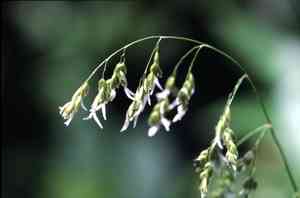
California sweet grass (Anthoxanthum occidentale)
Also known as: Sweet Vernal Grass, Western Sweet Grass
Sweetgrass (Hierochloe odorata) is a perennial grass known for its slender stems and distinct sweet, vanilla-like scent when dried. It grows in tufts and prefers open, sunny areas with well-drained soil. Characterized by its fine, green blades and delicate, spike-like flowers, Sweetgrass is commonly found in western North America and thrives in various temperate conditions.
In This Article
Attributes of California sweet grass
Lifespan
Perennial
Plant Type
Grass
Plant Height
30 cm to 91 cm
Spread
Not applicable (grass species)
Leaf Color
Green
Flower Size
Small (inflorescence length: 4-10 cm)
Flower Color
Yellowish to green
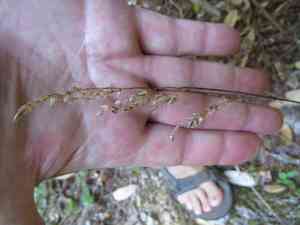
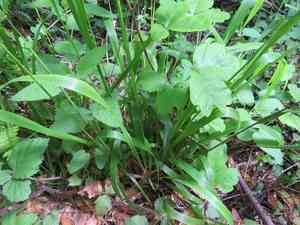
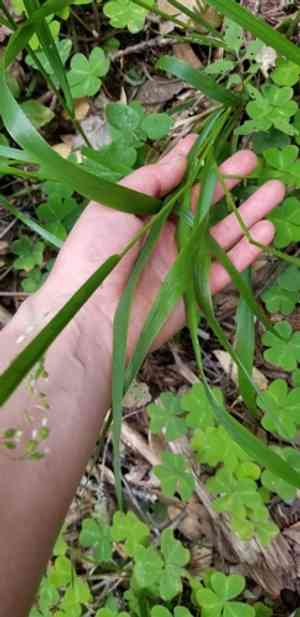
Images of California sweet grass
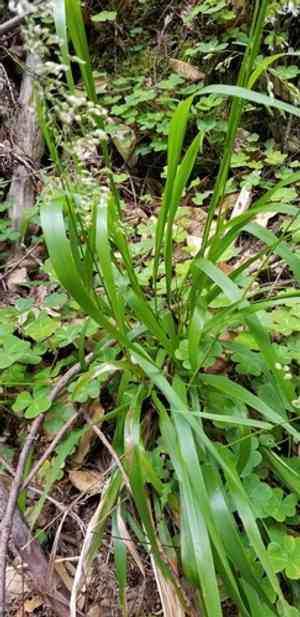
Quickly Identify California sweet grass
1
It can be identified by its sweet, vanilla-like scent, especially when dried. The grass has flat leaves and a distinct inflorescence that forms a compact spike.
Scientific Classification of California sweet grass
Phylum
Vascular plants
Class
Monocotyledons
Order
Poales
Family
Grass
Genus
Hornworts
Species
California sweet grass
Planting and Growing of California sweet grass
Care Difficulty
Moderate
Watering Schedule
Every 3 days
Sunlight Requirements
Partial sun
Sunshine Duration
6-12 hours
Ideal Temperature
59-77℉
Soil Type
Potting Mix, Peat Mix
Soil pH
6.5-7.5
Fertilizer Type
Balanced
Pruning Season
Spring, Summer
Pruning Area
Branches, Leaves
Pruning Frequency
2 times a year
Repotting Season
Spring
Pot Type
Plastic, Ceramic
 How to Water California sweet grass?
For Anthoxanthum occidentale, it's crucial to ensure the soil is moist but not soggy. Watering should aim to saturate the root zone without leaving standing water. A general guideline is around 200 ml per watering session, but this can vary depending on conditions like pot size, location, and humidity levels.
What are the symptoms of an underwatered California sweet grass?
›
What should I do if my California sweet grass is not getting enough water?
›
What are the symptoms of an overwatered California sweet grass?
›
How to save an overwatered California sweet grass?
›
 What Are the Sunlight Requirements for California sweet grass?
Anthoxanthum occidentale thrives best in partial sun, where it can receive 4 to 6 hours of sunlight daily. Ideal lighting encourages healthy foliage and prevents overexposure to harsh sunlight, making the plant resilient and vibrant.
What is the optimal lighting for Anthoxanthum occidentale?
›
How can we achieve ideal lighting for this plant?
›
What benefits arise from the ideal lighting condition?
›
 What Is the Ideal Temperature Range for California sweet grass?
For Anthoxanthum occidentale, the ideal temperature range for growth is between 59°F and 77°F. This range provides balanced conditions for optimal photosynthesis and metabolic activities, allowing the plant to thrive fully and remain vigorous.
 What Soil is Best for California sweet grass?
Anthoxanthum occidentale thrives in soil that maintains adequate moisture without becoming waterlogged. Loamy or sandy loam soils are ideal as they balance drainage and moisture retention, crucial for root health and overall plant vigor. These soils should have a good organic matter content, ensuring nutrients are available as the plant grows. Organic-rich soil feeds Anthoxanthum occidentale, promoting lush growth and enhancing its aromatic qualities. The soil's texture should support good aeration, providing roots with sufficient oxygen for transpiration and nutrient uptake. Well-aerated soil enables roots to expand freely, improving stability and growth performance.
 How to Fertilize California sweet grass?
For Anthoxanthum occidentale, it is crucial to apply the right amount of fertilizer to encourage healthy growth. Generally, apply 50ml of liquid fertilizer per plant per session, ensuring not to over-saturate the soil.
 How to Prune California sweet grass?
First, identify the areas of the Anthoxanthum occidentale that appear overgrown or are crowding other parts of the plant. Focus on sections where shoots have grown beyond the desired height. Begin by trimming the excessive growth with scissors or shears. Hold your tools at a slight angle to create a natural look, and ensure to make clean cuts about 1-2 inches above the base to encourage healthy regrowth. While pruning, examine the plant for any signs of pest infestation or disease. Remove any damaged or diseased leaves carefully to prevent spreading.
More About Pruning Techniques→
 How to Propagate California sweet grass plant?
1
Collect seeds from the mature plants in the late summer or early autumn. It's important to collect the seeds once they have matured and dried on the plant for optimal germination success.
2
Prepare a well-draining soil mix in seed trays or pots. The soil should be a light composition that retains some moisture while allowing excess water to drain away easily.
3
Sow the seeds evenly on the surface of the soil and cover them lightly with a thin layer of soil or vermiculite. Mist the surface with water to provide the necessary moisture without displacing the seeds.
 How to Repot California sweet grass plant?
1
Signals that Anthoxanthum occidentale needs repotting include roots protruding through drainage holes, stunted growth, or soil loss of nutrients. Ideally, repot during spring when the plant can rapidly recover and establish itself in fresh soil. This timing allows for ample growth during the active season ahead.
2
Select a pot that's one to two sizes larger than the current one, ensuring it has adequate drainage holes. A slightly bigger pot prevents waterlogging while allowing the roots to expand. This improved drainage reduces the risk of root rot and provides a healthier growing environment.
3
Opt for a well-draining potting mix, ideally formulated for grasses. Such soil offers optimal aeration and moisture management, ensuring it holds enough water without becoming waterlogged. This balance supports healthy root development and sustains plant vitality.
Toxicity
Ingestion
WARNING
The judgment on toxicity and danger is for reference only. We DO NOT GUARANTEE any accuracy of such judgment. Therefore, you SHALL NOT rely on such judgment. It is IMPORTANT TO SEEK PROFESSIONAL ADVICE in advance when necessary.



