How to Propagate California sweet grass?
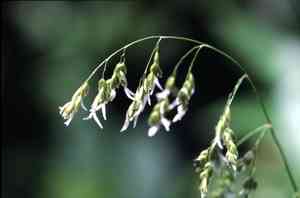
California sweet grass, a perennial grass indigenous to California, is distinguished by its pleasantly aromatic leaves. An efficient method for propagation involves division. During this procedure, gently divide the clusters, making sure every segment retains its roots and emerging shoots. To foster robust growth, reintroduce the divided sections into appropriate soil, providing sufficient hydration and proper distance between them. This technique guarantees genetic uniformity and stimulates strong development of california sweet grass.
When Is the Best Time to Multiply California Sweet Grass?
Propagation Method
Splitting
Propagation Period
Spring,Autumn
What Implements Are Utilized in California Sweet Grass Propagation?
Garden Fork
A garden fork is crucial for carefully lifting california sweet grass clumps from the ground without causing excessive root damage. Its tines can gently separate soil and roots, making it easier to divide the plant into smaller sections for replanting.
Sharp Knife or Pruning Shears
A sharp knife or pruning shears are vital for precisely cutting through the roots and stems of california sweet grass. A clean cut minimizes damage and reduces the risk of infection, promoting healthier new growth after division.
Rooting Hormone
While california sweet grass can often propagate naturally, the use of rooting hormone can enhance root development. Applied to the cuts or divisions, it stimulates faster and stronger root growth, improving the chances of successful propagation.
Watering Can with Fine Rose
A watering can with a fine rose attachment is important for gently watering the newly divided plants. The fine rose prevents soil erosion and damage to the tender new roots, ensuring consistent moisture levels for optimal establishment.
Plant Labels
Plant labels help keep track of different divisions of california sweet grass and their planting locations. This is especially useful in larger propagation projects to ensure proper monitoring and care of each plant section.
Compost or Organic Mulch
Compost or organic mulch provides essential nutrients and maintains soil moisture around newly divided california sweet grass. It helps create a favorable growing environment, enhancing root establishment and overall plant health.
Garden Gloves
Garden gloves protect hands from soil irritation and provide a better grip on tools when handling california sweet grass. They ensure comfort and safety during the division and planting processes.
How to Multiply California Sweet Grass?
Propagation Method
Simple
How to Nurture Your Newly Propagated California Sweet Grass?
How to Nurture Your Newly Propagated California Sweet Grass?
After propagation, provide california sweet grass with regular watering, especially during the first growing season to establish a robust root system. Maintain a layer of mulch around the base to retain moisture and suppress weeds. Feed with a balanced, water-soluble fertilizer once a month during the growing season. Additionally, ensure california sweet grass receives full sun to partial shade for optimal growth. Regular pruning of dead or damaged foliage encourages healthy growth and maintains the plant's appearance.
Common Errors to Avoid When Propagating California Sweet Grass
Overwatering
Excessive watering can lead to root rot and other moisture-related diseases due to california sweet grass's preference for well-drained soil.
Improper Soil Type
Planting in heavy clay or poorly drained soil can impede root development and hinder growth.
Incorrect Light Conditions
Providing too much shade or excessive direct sunlight can stress the plant, affecting its health and propagation success.
Neglecting Seed Scarification
Failing to scarify seeds can lead to poor germination rates as the seeds often have a hard outer coat that needs to be breached.
Insufficient Seed Depth
Planting seeds too deep can prevent them from emerging, as california sweet grass's seeds typically require shallow sowing.
Advice For Propagating California Sweet Grass
Adequate Watering
Ensure the soil is moist but not waterlogged during seed germination and early growth stages. Use well-drained soil to prevent water-related issues.
Suitable Soil
Use sandy or loamy soil that provides proper drainage and aeration to support healthy root development.
Optimal Light
California sweet grass thrives best in partial sunlight. Ensure it gets enough light without being subjected to harsh, direct sun for prolonged periods.
Seed Scarification
Scarify seeds before planting by gently rubbing them with sandpaper to promote better germination rates.
Proper Seed Depth
Sow seeds at a shallow depth, typically just under the surface or lightly covered, to enhance germination and emergence.



