How to Transplant Mountain everlasting?
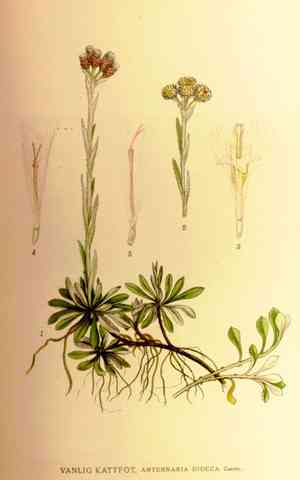
The ideal period for transplanting mountain everlasting is during nature's renewal, providing gentle temperatures and abundant chances for development. Select a bright, adequately drained location. Place carefully, ensuring not to plant too deeply to foster vigorous development.
What Preparations are Needed Before Transplanting Mountain Everlasting?
What is the Ideal Time for Transplanting Mountain Everlasting?
The perfect period for relocating mountain everlasting is during its spring revival. The mild weather and increased moisture at this time encourage strong root development, ensuring a smooth transition. Placing mountain everlasting in its new spot during this season allows it to establish itself well before summer's challenges, boosting its chances of flourishing. A friendly reminder: choosing this timing, along with careful pre-transplant preparation, sets the stage for a healthy, blooming mountain everlasting.
How Much Space Should You Leave Between Mountain Everlasting Plants?
When moving mountain everlasting, it's advisable to provide ample room for growth. A spacing of approximately 1-2 feet (30-60 cm) apart would be optimal. This promotes good air circulation and prevents overcrowding.
What is the Best Soil Mix for Mountain Everlasting Transplanting?
For mountain everlasting, a well-drained, gritty soil with moderate fertility will work well. A foundational fertilizer should be prepared before planting. Incorporating regular compost or organic matter as a base will greatly benefit their growth.
Where Should You Relocate Your Mountain Everlasting?
Remember the importance of sunlight for mountain everlasting. A location receiving full sun to partial shade will be ideal. Insufficient sunlight may hinder their growth, but too much can scorch them, so find a good balance!
What Equipments Should You Prepare Before Transplantation Mountain Everlasting?
Gardening Gloves
To safeguard your hands while handling soil and the mountain everlasting.
Shovel or Spade
Used to excavate the plant from its current spot, ensuring the root ball remains whole.
Hand Trowel
Ideal for digging a suitable hole at the new site.
Gardening Pruners
Essential for trimming any dead or damaged parts of the plant.
Watering Can
For hydrating the plant during removal, transplantation, and after relocation.
Measuring Tape
To guarantee proper spacing between plants.
Bucket or Wheelbarrow
Useful for transporting soil or the plant itself.
Mulch
To cover the area around the planted region, aiding in moisture retention.
How Do You Remove Mountain Everlasting from the Soil?
How Do You Remove Mountain Everlasting from the Soil?
From Ground: Begin by watering the mountain everlasting plant to moisten the soil; this will make digging easier and less stressful for the plant. Once damp, carefully start to dig a wide trench around the plant with a shovel or spade, ensuring you are far enough out to avoid damaging the root ball. Gently work the spade beneath the root ball to lift the plant from its original location. From Pot: Lightly tap the sides of the pot to loosen the soil. Tilt the pot sideways and slowly ease the mountain everlasting plant out. Be careful not to pull on the stem. If the plant doesn't slide out easily, you might need to break the pot as a last resort. From Seedling Tray: Water the seedlings thoroughly before removal. Then, gently squeeze the bottom of the individual cells to release the seedlings. Take care to hold the seedlings by their leaves, not their stems, to prevent any harm.
Step-by-Step Guide for Transplanting Mountain Everlasting
Preparation
Remove any old or dead leaves from the mountain everlasting plant using gardening pruners. This reduces stress and helps the plant focus on establishing new roots.
Digging the Hole
With the aid of a hand trowel, excavate a hole that is twice the width and the same depth as the mountain everlasting plant's root ball.
Placing the Plant
Position the mountain everlasting plant in the hole, ensuring that the top of the root ball is level with the surrounding soil's surface.
Backfilling
Refill the hole and gently firm the soil around the base of the mountain everlasting plant.
Watering
Thoroughly water the mountain everlasting plant using a watering can. The soil should be moist, not waterlogged.
Mulching
Apply mulch around the plant's base to retain moisture and control weeds. Avoid placing mulch directly against the stem to prevent rot.
How Do You Care For Mountain Everlasting After Transplanting?
Checking
Regularly inspect your mountain everlasting plant after transplanting to ensure it's adapting well to its new spot. Look for signs of new growth or any indications of distress like wilting or discoloration.
Watering
For the initial few weeks, the mountain everlasting plant will require more water than an established plant. Hydrate consistently to keep the soil moist, but avoid overwatering as this can lead to root rot.
Pruning
As the mountain everlasting plant recovers and begins to grow, you may need to trim back any dead or damaged foliage to encourage new growth. Remember it's normal for the plant to lose a few leaves while it adjusts to its new location.
Troubleshooting Common Issues with Mountain Everlasting Transplantation.
When is the best time to transplant mountain everlasting?
The ideal time to transplant mountain everlasting is between the first and third season (S1-S3).
How much space does mountain everlasting need when transplanting?
Mountain everlasting needs about 1-2 feet (approximately 30-60 cm) of space between each plant when being transplanted.
What should be the soil condition for transplanting mountain everlasting?
Mountain everlasting prefers well-drained soil. Make sure to prepare the ground by removing any rocks or debris and loosening it up.
Does mountain everlasting need special care after transplantation?
After transplanting, mountain everlasting should be watered well. Keep an eye on the plant for any sign of stress or disease.
How deep should I plant mountain everlasting during transplantation?
Plant mountain everlasting at the same depth it was growing at its previous spot. Overly deep transplantation can stress the plant.
How to ensure that mountain everlasting thrives after being transplanted?
Add organic compost around the plant after transplanting mountain everlasting and water it regularly, but avoid overwatering as it can cause root rot.
What is the ideal pH for the soil while transplanting mountain everlasting?
Mountain everlasting thrives best in a soil pH that is mildly acidic to neutral. Regular soil tests can help maintain the right pH balance.
Do I need to trim mountain everlasting while transplanting it?
Yes, trimming longer roots of mountain everlasting to a manageable size makes transplanting easier and encourages the growth of new roots.
How to handle mountain everlasting while transplanting to avoid damage?
When transplanting mountain everlasting, handle it by the rootball and avoid tugging or pulling on the stems, as it might cause damage.
Should I water mountain everlasting just before transplanting?
Yes, watering mountain everlasting before transplanting it can help reduce shock and make the process easier by keeping the rootball intact.



