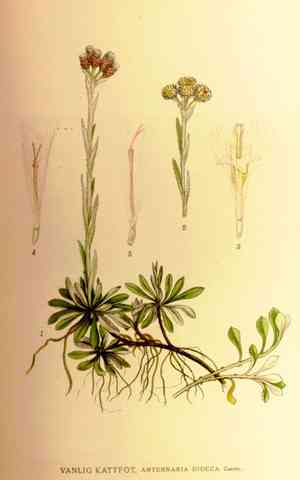
Mountain everlasting (Antennaria dioica)
Also known as: Stoloniferous pussytoes, Common pussytoes
Mountain everlasting (Antennaria dioica) thrives in alpine and subalpine environments. Its hardy nature and appealing white or pink flower clusters make it a favored ornamental plant. This perennial is often used in rock gardens, along border edges, and between paving stones due to its low-growing, mat-forming habit. Notably, it can reproduce asexually through vegetative propagation.
In This Article
Attributes of Mountain everlasting
Lifespan
Perennial, Annual
Plant Type
Herb
Plant Height
15 cm
Spread
45 cm
Leaf Color
Green Silver Gray
Flower Size
2.5 cm
Flower Color
White Pink Red
Images of Mountain everlasting
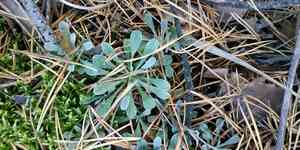
Quickly Identify Mountain everlasting
1
Low-growing perennial, 4 inches (10 cm) high, spreading 8-12 inches (20-30 cm) wide.
2
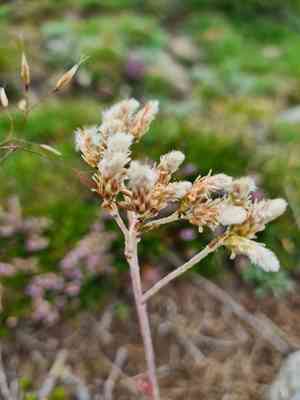
Dioecious plant with fuzzy, white to pink blooms on stalks 6-12 inches (15-30 cm) tall.
3
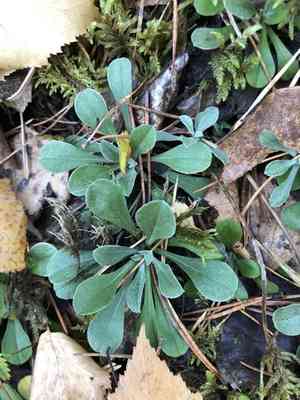
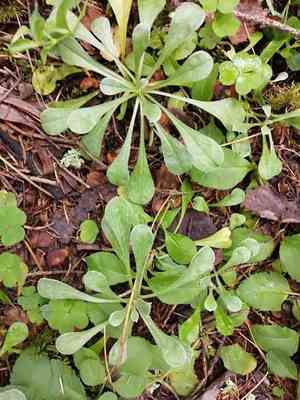
Spatula-shaped leaves with distinctive white-woolly undersides, forming a silver-green basal mat.
4
Slender, erect stem up to 10 inches (25 cm) high, covered in fine white hairs.
5
Year-round foliage, slowly expanding roots, and silver sheen on stem for unique identification.
Scientific Classification of Mountain everlasting
Phylum
Vascular plants
Class
Dicotyledons
Order
Asterales
Family
Daisy
Genus
Everlasting
Species
Mountain everlasting
Planting and Growing of Mountain everlasting
Care Difficulty
Easy
Watering Schedule
Every 4 days
Sunlight Requirements
Partial sun
Sunshine Duration
4-8 hours
Ideal Temperature
65-75℉
Soil Type
Potting Mix, Peat Mix
Soil pH
6-7.5
Fertilizer Type
Balanced
Pruning Season
Spring, Summer
Pruning Area
Branches, Leaves
Pruning Frequency
2 times a year
Repotting Season
Spring
Pot Type
Plastic, Ceramic
 How to Water Mountain everlasting?
When watering Antennaria dioica, the purpose is to evenly moisten the soil without leaving it soggy. Using around 150 milliliters of water should be sufficient for a pot that is of a small to medium size. The soil should be allowed to dry out completely between waterings to mimic the plant's natural habitat.
What are the symptoms of an underwatered Mountain everlasting?
›
What should I do if my Mountain everlasting is not getting enough water?
›
What are the symptoms of an overwatered Mountain everlasting?
›
How to save an overwatered Mountain everlasting?
›
 What Are the Sunlight Requirements for Mountain everlasting?
The ideal light range for Antennaria dioica is partial sun. This range facilitates balanced energy intake crucial for robust growth and vibrant flowering, whilst preventing the harsh impacts of overexposure, such as leaf scorch or dehydration.
More About Sunlight Requirements Techniques→
What type of sunlight is best for Antennaria dioica?
›
How does Antennaria dioica respond to varying light conditions?
›
What measures ensure Antennaria dioica receives optimal light?
›
 What Is the Ideal Temperature Range for Mountain everlasting?
Antennaria dioica thrives best when grown within the range of 65-75°F. This temperature range supports the plant's metabolic processes and encourages robust growth and flowering.
 What Soil is Best for Mountain everlasting?
This plant requires soil with excellent drainage to prevent root rot. Ensuring adequate drainage means the roots have access to necessary air pockets, which is vital for maintaining strong, healthy root systems. Antennaria dioica thrives in soil with moderate fertility. This helps the plant access essential nutrients without overwhelming the system, leading to balanced growth and vibrant blooms. A pH between 6.0 and 7.5 allows optimal nutrient absorption. This pH range ensures essential minerals remain accessible, supporting overall plant vitality and disease resistance.
 How to Fertilize Mountain everlasting?
Antennaria dioica benefits from a careful approach to fertilization, as it usually thrives in nutrient-poor environments. When fertilizing, use a diluted liquid fertilizer at half strength, ensuring not to overwhelm the plant's root system. A modest application like this encourages healthy growth without upsetting its natural balance.
 How to Prune Mountain everlasting?
Begin by assessing the overall shape of the Antennaria dioica, also known as cat's foot. Use clean, sharp scissors or garden shears to trim back any overgrown stems or foliage, focusing on maintaining its low, mat-like appearance. Aim to cut about one-third of the growth, which stimulates bushier growth and prevents legginess. Remove any dead or damaged leaves to promote healthy development, being careful to avoid trimming more than necessary to ensure the plant’s vigor. To encourage continuous flowering, deadhead faded blooms regularly. This means cutting off the spent flowers just before they start to wither. This process not only tidies the plant but also redirects energy towards new growth and bloom production. Pruning spent flowers can be done throughout the blooming season to ensure a prolonged display of the plant's charming pink and white blossoms.
More About Pruning Techniques→
 How to Propagate Mountain everlasting plant?
1
Begin by filling seed trays with a well-draining potting mix. Sow the seeds on the surface of the soil and lightly cover them with a thin layer of soil. Water gently to avoid displacing the seeds. Place the trays in a bright spot but out of direct sunlight to encourage germination.
2
Carefully lift the entire plant from the ground during early spring. Use a sharp knife or spade to divide the plant into smaller sections, ensuring each has roots attached. Replant the divisions immediately in a prepared spot, spacing them adequately to ensure healthy growth.
3
Once planted, water the divisions well to help them settle in. Keep the area weed-free and monitor for any signs of pests. It's important to ensure that the soil remains moist but not waterlogged during the early establishment phase.
 How to Repot Mountain everlasting plant?
1
Antennaria dioica signals its need for repotting when its roots begin to emerge from the pot’s drainage holes or if growth seems stunted. Spring is the ideal time, as it allows the plant to recover and establish itself throughout the growing season.
2
Select a pot that is one size larger than the current one. A slightly larger pot enables moderate root expansion while preventing waterlogging. Ensure it has good drainage holes to help avoid root rot, thus promoting healthy growth.
3
Use a well-draining sandy loam soil mix to support Antennaria dioica. This type of soil provides essential drainage and prevents water from pooling around the roots, which is crucial for the plant's health and vigor.



