How to Prune Mountain everlasting?
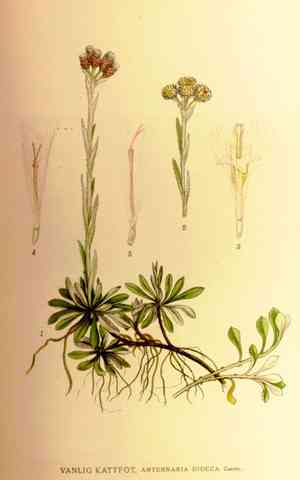
A compact perennial featuring fuzzy, ground-covering leaves, mountain everlasting flourishes with infrequent trimming to eliminate deceased or compromised parts. Perform light pruning throughout the year to preserve its form and stimulate fresh development. Removing spent flowers after blooming encourages additional blossoms and deters self-propagation. For robust clusters, separate them every few years during springtime. This process revitalizes the plant and aids in controlling its expansion, guaranteeing vigorous, thick ground cover.
What Are the Benefits of Pruning Mountain Everlasting?
What Are the Benefits of Pruning Mountain Everlasting?
Trimming mountain everlasting promotes healthier, more abundant blooms and invigorates growth. Consistent pruning helps maintain the plant's compact shape, improving garden appearance and vigor.
What Is the Best Time for Pruning Mountain Everlasting?
What Is the Best Time for Pruning Mountain Everlasting?
The specified periods align with mountain everlasting's dormant phase, when the plant is less vulnerable to pruning stress. Trimming in late winter or early spring allows for the removal of any damaged or diseased foliage before new growth begins. This timing also avoids disrupting mountain everlasting's blooming cycle, which typically occurs in spring and summer, ensuring its reproductive process is not negatively impacted. Pruning during dormancy encourages robust growth and helps maintain plant health and form.
What Tools Do I Need to Prune Mountain Everlasting?
Bypass Pruners
Perfect for precise cutting of mountain everlasting's slender stems. The scissor-like action of bypass pruners ensures a clean cut, helping to prevent damage to the plant's delicate tissues.
Garden Shears
Useful for shaping and maintaining the overall structure of mountain everlasting. Their longer blades can cut multiple stems simultaneously, which is efficient for managing the plant's mat-forming growth habit.
Pruning Snips
These are ideal for deadheading mountain everlasting after flowering, without disturbing surrounding foliage, thanks to their compact size and precise tips.
How to Prune Mountain Everlasting
Sanitize tools
Before beginning, sterilize pruning implements with alcohol or a bleach solution to prevent the spread of disease to mountain everlasting.
Remove diseased material
Carefully cut away all infected leaves and branches, making clean cuts at the base of affected areas to prevent further infection in mountain everlasting.
Trim dead material
Remove withered leaves, dead branches, and diseased branches with sharp scissors or pruners, cutting close to the main stem or branch to encourage healthy growth in mountain everlasting.
Shape plant
Shape mountain everlasting by selectively pruning overgrown sections, maintaining an even and natural-looking appearance while avoiding heavy cutting back as mountain everlasting are low-growing perennials.
Cleanup
Gather and dispose of all pruned material away from mountain everlasting to reduce disease risk and promote a tidy growing environment.
Common Pruning Mistakes with Mountain Everlasting
Overpruning
Removing too much foliage from mountain everlasting can shock the plant, hindering its growth and blooming potential. Prune sparingly to maintain the plant's health.
Using dull tools
Dull pruning tools can damage mountain everlasting's stems, leading to jagged cuts that increase the risk of disease and pest infestation.
Improper cut location
Cutting too close to the main stems or leaving a long stub can prevent mountain everlasting from healing properly and lead to unwanted dieback.
Ignoring deadheads
Neglecting to remove spent flowers ('deadheading') can result in a decrease of new blooms for mountain everlasting as the plant focuses energy on seed production.
Indiscriminate pruning
Randomly cutting back mountain everlasting without understanding its growth pattern can lead to uneven growth and poor flowering.
Common Pruning Tips for Mountain Everlasting
Sharp clean tools
Ensure that pruning tools are sharp and clean before use to make clean cuts and reduce the risk of spreading disease to mountain everlasting.
Maintain shape
Prune mountain everlasting gently to maintain its natural cushion or mat-forming shape while encouraging thicker growth and a tidy appearance.
Promote airflow
Thin out dense areas to improve air circulation, which helps prevent fungal diseases that can affect mountain everlasting's overall health.
Support flowering
After mountain everlasting has finished blooming, lightly prune to encourage new growths that will provide flowering sites in the future.
Deadhead regularly
Regularly remove spent flowers to encourage mountain everlasting to produce more blooms and divert energy from seed production to vegetative growth.



