How to Transplant Mountain soursop?
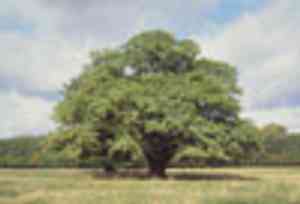
The optimal period for relocating mountain soursop outside spans from mid-spring to early summer, leveraging consistent weather conditions for root development. Select a bright spot featuring soil that drains effectively. Minimizing disruption to the root system is crucial for successful acclimation.
What Preparations are Needed Before Transplanting Mountain Soursop?
What is the Ideal Time for Transplanting Mountain Soursop?
The optimal period for relocating mountain soursop is the pleasant warmth of late spring. This timeframe provides consistent temperatures, perfect for root development without the stress of extreme heat or cold. Moving mountain soursop during this season encourages robust growth, utilizing the nurturing conditions. A transplant in the gentle embrace of spring's later months positions mountain soursop to flourish, benefiting from extended daylight and moderate rainfall, ensuring an excellent start in its new spot. By doing so, you'll offer your mountain soursop the season's kindness, fostering resilience for the upcoming summer.
How Much Space Should You Leave Between Mountain Soursop Plants?
It's excellent that you're providing mountain soursop a new home! Begin by allocating ample room for growth â a distance of approximately 15-20 feet (4.5-6 meters) between each plant will be suitable. This allows mountain soursop to expand and thrive without competing for nutrients and sunlight.
What is the Best Soil Mix for Mountain Soursop Transplanting?
Before mountain soursop establishes roots, prepare a comfortable area with well-draining soil, enriched with organic compost for a nutrient boost. A balanced starter fertilizer can assist mountain soursop in settling in smoothly. Aim for a pH between 6.0-7.5.
Where Should You Relocate Your Mountain Soursop?
Locate a sunny spot for your mountain soursop where it can enjoy full to partial sunlight for optimal growth. Protecting it from strong winds will be beneficial, ensuring it receives at least 6 hours of daily sunlight.
What Equipments Should You Prepare Before Transplantation Mountain Soursop?
Gardening Gloves
To safeguard your hands while handling soil and the plant.
Shovel or Spade
For excavating mountain soursop from its current spot and preparing the new planting site.
Pruning Shears
To trim any damaged or excessively long roots prior to transplanting.
Wheelbarrow or Garden Cart
To move mountain soursop and soil.
Watering Can or Hose
To hydrate mountain soursop after relocation.
Mulch
To apply around the base of mountain soursop post-transplant to help retain soil moisture.
How Do You Remove Mountain Soursop from the Soil?
How Do You Remove Mountain Soursop from the Soil?
From Ground: Water mountain soursop thoroughly the day before transplanting to moisten the soil and lessen root stress. Dig a wide trench encircling the plant's drip line to avoid severing crucial roots. Gently work the spade beneath the root ball, carefully prying the plant loose. Once dislodged, lift the root ball and place it into the cart.From Pot: Start by watering the soil in the pot to facilitate root ball removal. Turn the pot sideways, hold mountain soursop near its base, and gently tap the pot's bottom to loosen the soil. Slide mountain soursop out, supporting the root ball. If roots are extensively circling, prune them gently.From Seedling Tray: Water the seedlings well before transplanting. Use a dibber or spoon to carefully lift each plant by pushing up from the bottom of the cell. Handle mountain soursop by the leaves rather than the delicate stem to prevent damage.
Step-by-Step Guide for Transplanting Mountain Soursop
Preparation
Gather all the necessary tools before commencing the transplanting process.
Root Inspection
Examine mountain soursop's roots for any indications of disease or damage. Trim off any affected areas using the pruning shears.
Hole Digging
At the new location, excavate a hole that is twice as wide and of the same depth as the root ball to allow for easy root spread.
Placement
Carefully position mountain soursop in the center of the hole. Ensure it stands upright and that the top of the root ball is level with the ground surface.
Backfill
Slowly refill the hole with the excavated soil, gently firming it to eliminate air pockets. Do not compact too hard as this can harm roots and compress the soil.
Watering
Water mountain soursop generously after planting to settle the soil around the roots and provide essential hydration.
Mulching
Apply a layer of mulch around the base of mountain soursop, keeping it several inches away from the stem to prevent rot and maintain moisture.
How Do You Care For Mountain Soursop After Transplanting?
Initial Watering
Maintain consistent soil moisture around mountain soursop for the first few weeks until the plant is well-established.
Pruning
Trim away any dead or damaged branches to encourage new growth.
Observation
Regularly check mountain soursop for signs of transplant shock, such as wilting or yellowing leaves, and address promptly.
Support
If mountain soursop is large and unstable, use stakes or ties to provide support until the root system is strong enough to hold it upright.
Troubleshooting Common Issues with Mountain Soursop Transplantation.
What's the best time to transplant mountain soursop?
Relocate mountain soursop during mid to late spring, when the weather is mild and conducive for root establishment.
How far apart should mountain soursop be planted?
Space mountain soursop at least 15-20 feet (4.5-6 meters) apart to allow ample growth room and airflow.
Why are my mountain soursop saplings wilting after transplanting?
Wilting may occur due to transplant shock. Ensure proper watering, avoid excessive root handling, and maintain stable soil temperatures.
How much should I water mountain soursop after transplanting?
Water thoroughly after transplanting to help settle the soil. Continue to provide regular water but avoid waterlogging the soil.
Should I fertilize mountain soursop immediately after transplanting?
Wait 3-4 weeks before fertilizing to allow mountain soursop to settle and begin new root growth in its new location.
Why are the leaves of mountain soursop turning yellow post-transplant?
Yellowing leaves may indicate overwatering or poor drainage. Check soil moisture and improve drainage if necessary.
Is it necessary to prune mountain soursop when transplanting?
Prune only damaged or diseased branches to help mountain soursop focus energy on root development after transplanting.
How do I know if my mountain soursop is planted at the correct depth?
Plant mountain soursop so the root crown is level with or slightly above the ground to prevent rot and encourage growth.
Should I mulch around mountain soursop after transplanting and why?
Yes, mulching helps retain moisture, regulate soil temperature, and suppress weeds, beneficial for mountain soursop's root development.
What signs indicate successful transplant of mountain soursop?
Successful transplant is evident when mountain soursop shows new growth, healthy green leaves, and appears well-established in its new location.



