Enhancing Your Garden Design with the Mountain soursop Plant: A Landscaping Guide
1
Mountain soursop prospers in soil that drains effectively and needs abundant sunshine to grow well.
2
Consistent trimming of Mountain soursop assists in keeping its size controlled and promotes more robust development.
3
Mountain soursop offers numerous ecological advantages, such as aiding native animals and enhancing earth quality.
Grasping the Fundamentals of Mountain Soursop for Outdoor Spaces
Why is Mountain soursop a good choice for landscaping?
Mountain soursop is a adaptable and appealing plant that can improve various garden designs. Its rich, green leaves and distinct texture make it a visually pleasing option for home gardens. Furthermore, Mountain soursop is known for its hardiness and capacity to flourish in diverse climates, making it an excellent selection for gardeners aiming to introduce a tropical feel to their outdoor areas.
Typical growth habits of Mountain soursop
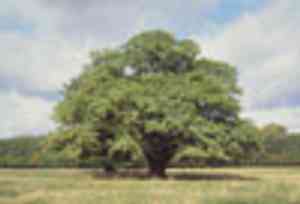
Mountain soursop generally develops into a small to medium-sized tree, reaching heights of up to 15-20 feet. Its growth characteristic is defined by a wide, spreading canopy and thick foliage, which offers ample shade. The tree exhibits a moderate to rapid growth rate, particularly when given sufficient sunlight and well-draining soil. Understanding these growth patterns can aid in effective landscape planning.
Choosing the Ideal Location for Mountain Soursop
Assessing light and soil requirements
Selecting the appropriate spot for Mountain soursop involves comprehending its sunlight and soil preferences. Mountain soursop thrives in full sun but can endure partial shade. It favors well-draining, sandy loam soils rich in organic material. Prior to planting, ensure the chosen site receives at least 6-8 hours of direct sunlight daily and the soil has good drainage to prevent water accumulation.
Considering space and potential growth
When picking a location for Mountain soursop, take into account its eventual size and growth habit. Ensure there is adequate room for the tree to extend its canopy without crowding other plants. A minimum spacing of 10-15 feet from other trees and structures is advised to allow for proper air circulation and sunlight penetration.
Landscape Design Concepts for Mountain Soursop
Integrating Mountain soursop into various garden aesthetics
Mountain soursop can be incorporated into a range of garden styles, from tropical-themed landscapes to more conventional gardens. Its lush foliage provides a vibrant green backdrop, making it perfect for tropical and subtropical garden layouts. In traditional gardens, Mountain soursop can serve as a focal point tree or be combined with other ornamentals to create a visually appealing blend of textures and colors.
Companion plants that complement Mountain soursop
Pairing Mountain soursop with suitable companion plants can elevate the overall beauty of your landscape. Consider planting it alongside other tropical species like hibiscus, bird of paradise, and crotons for a unified appearance. Additionally, low-growing ground covers such as ferns and ornamental grasses can offer an attractive base, while flowering plants like bougainvilleas can add bursts of color.
Practical Advice for Planting and Upkeep
Optimal planting methods for Mountain soursop
To successfully plant Mountain soursop, excavate a hole twice as wide and deep as the root ball. Position the tree in the hole, ensuring the top of the root ball is level with the surrounding ground. Backfill with a mixture of the excavated soil and compost to supply nutrients. Water thoroughly after planting to help settle the soil and eliminate air pockets.
Ongoing care suggestions to boost growth
Maintain Mountain soursop by providing consistent watering, especially during dry periods, and mulching around the base to retain moisture. Prune the tree regularly to remove dead or damaged branches and to shape its form. Fertilize annually with a balanced fertilizer to replenish essential nutrients and support vigorous growth.
Ecological Impact of Including Mountain Soursop
Benefits of Mountain soursop on local ecosystems
Mountain soursop plays a vital role in supporting local wildlife, offering sustenance and shelter for various insects, birds, and small mammals. The tree's dense foliage provides cover and nesting sites, while its fruit can attract pollinators and seed dispersers, thereby enhancing biodiversity in your garden.
Sustainability considerations with Mountain soursop
Incorporating Mountain soursop into your landscape also offers sustainability advantages. The tree helps improve soil quality by adding organic matter through fallen leaves, and its deep roots can stabilize soil and prevent erosion. Moreover, Mountain soursop is relatively low-maintenance, requiring less frequent watering and chemical inputs, making it an eco-conscious choice for environmentally aware gardeners.



