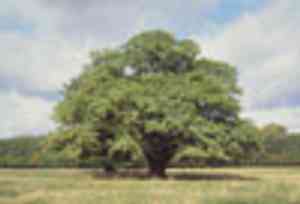
Mountain soursop (Annona montana)
Also known as: Mountain sop
The Mountain soursop (Annona montana) is a drought-resistant evergreen tropical fruit tree that typically reaches heights of 2.5 to 14 meters. Native to Central America, it thrives in dry environments. The tree bears round, green fruits that are aromatic but have a sour and bitter taste.
In This Article
Attributes of Mountain soursop
Lifespan
Perennial
Plant Type
Tree
Plant Height
3.5 m to 14 m
Spread
6 m
Leaf Color
Dark green
Flower Size
5 cm to 8 cm
Flower Color
Yellow Orange
Images of Mountain soursop
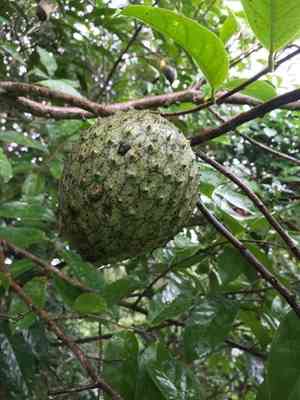
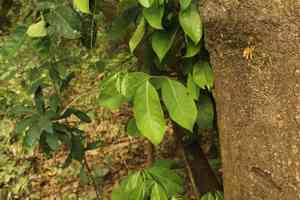
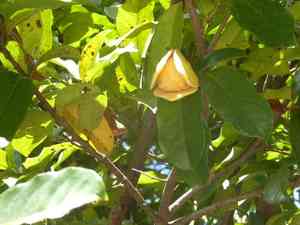
Quickly Identify Mountain soursop
1
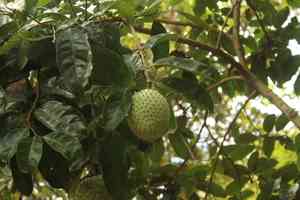
To identify Annona montana, look for a medium-sized tree with dark green, shiny, leathery leaves. The flowers are yellow-green and grow directly from the branches. The fruit is rough-skinned and has a spiny appearance.
Scientific Classification of Mountain soursop
Phylum
Vascular plants
Class
Dicotyledons
Order
Magnoliales
Family
Custard apple
Genus
Guanabana
Species
Mountain soursop
Planting and Growing of Mountain soursop
Care Difficulty
Easy
Watering Schedule
Every 3 days
Sunlight Requirements
Full sun
Sunshine Duration
8-12 hours
Ideal Temperature
77-86℉
Soil Type
Potting Mix, Peat Mix
Soil pH
5-7.5
Fertilizer Type
Balanced
Pruning Season
Spring, Summer
Pruning Area
Branches, Leaves
Pruning Frequency
2 times a year
Repotting Season
Spring
Pot Type
Plastic, Ceramic
 How to Water Mountain soursop?
For Annona montana, ensure that you use about 750 milliliters of water per session. It's important to water thoroughly until the soil is evenly moist but not soaked. This means you should see some water drainage but avoid leaving the soil waterlogged.
What are the symptoms of an underwatered Mountain soursop?
›
What should I do if my Mountain soursop is not getting enough water?
›
What are the symptoms of an overwatered Mountain soursop?
›
How to save an overwatered Mountain soursop?
›
 What Are the Sunlight Requirements for Mountain soursop?
Annona montana flourishes under full to partial sun conditions, ideally receiving 5-8 hours of sunlight daily. Such light exposure supports optimal growth, vibrant foliage, and robust plant health, enhancing its overall development.
More About Sunlight Requirements Techniques→
What kind of sunlight does Annona montana prefer?
›
How to achieve ideal sunlight conditions for Annona montana?
›
What are the benefits of providing ideal sunlight to Annona montana?
›
 What Is the Ideal Temperature Range for Mountain soursop?
Annona montana thrives when temperatures are consistently between 77°F and 86°F. This range ensures optimal growth conditions, allowing the plant to photosynthesize efficiently and maintain strong cellular functions.
 What Soil is Best for Mountain soursop?
Annona montana thrives in well-draining soil to prevent waterlogging. Excess water can lead to root rot, so soil with proper drainage ensures healthy plant growth and robust fruiting. This plant demands nutrient-rich soil for optimal growth. Incorporating organic matter like compost can enhance soil fertility, providing the necessary nutrients for stronger root development and increased yield. While good drainage is important, the soil must also retain some moisture. This balance helps support consistent growth, ensuring the plant does not dry out between watering sessions.
 How to Fertilize Mountain soursop?
Annona montana thrives best with a balanced approach to fertilization. For liquid fertilizer, use a 20-20-20 ratio at a concentration of 1.5 grams per liter of water, ensuring even distribution to prevent root burn. A controlled-release fertilizer with a 10-10-10 composition should be applied at a rate of 50 grams per plant, ensuring slow nutrient release.
 How to Prune Mountain soursop?
Begin by closely examining your Annona montana for any signs of dead, diseased, or damaged branches. Identifying these will help you ensure that the plant's energy isn't wasted on parts that are no longer beneficial. Proceed by thinning out the branches that are overcrowded. This helps in increasing air circulation and light penetration. Removing excess growth ensures that the plant remains vigorous and productive. Take the opportunity to shape your Annona montana by trimming back any long or unruly branches. Shaping not only improves the aesthetic appeal but also supports a balanced growth structure. Ensure all your pruning tools are sterilized before cutting. This reduces the risk of spreading diseases between plants, keeping your Annona montana healthier in the long run. After pruning, supply adequate water and consider enriching the soil with compost to aid recovery and encourage robust new growth during the growing seasons.
More About Pruning Techniques→
 How to Propagate Mountain soursop plant?
1
Fill the seed tray with a well-draining potting mix. Lightly press the mix to remove air pockets but avoid compacting the soil, ensuring seeds have room to grow and access to oxygen.
2
Scatter the seeds evenly over the surface of the potting mix. Lightly cover with more mix or sand to a depth roughly equal to the seed's size, promoting optimal germination conditions.
3
Gently water the seeds with the fine rose attachment to avoid displacing them. Cover the tray with a transparent lid or plastic wrap to retain humidity and warmth, aiding germination.
 How to Repot Mountain soursop plant?
1
Pay close attention to signs such as roots growing out of the drainage holes or the plant appearing stunted despite regular care. Repotting during the growing seasons of spring or summer is ideal as the plant can quickly recover in warm conditions.
2
Select a pot that is 1-2 inches larger in diameter than the current one to allow room for growth. Ensure it has sufficient drainage holes to prevent waterlogging, which can lead to root rot and decline in plant health.
3
Opt for a well-draining, sandy loam soil that mimics its natural habitat. This ensures that excess water does not linger around the roots, reducing the risk of overwatering and promoting healthy root development.
Toxicity
ingestion
WARNING
The judgment on toxicity and danger is for reference only. We DO NOT GUARANTEE any accuracy of such judgment. Therefore, you SHALL NOT rely on such judgment. It is IMPORTANT TO SEEK PROFESSIONAL ADVICE in advance when necessary.
Learn More About Mountain soursop Diseases
Anthracnose
Bacterial Leaf Spot
Bacterial Soft Rot
Bacterial Wilt
Black Spot
Chemical Injury
Crown Gall
Damping-off
Drought Stress
Fusarium Wilt
Gray Mold
Leaf Curl
Leaf Spot
Mosaic
Nutrient Deficiency
Nutrient Toxicity
Powdery Mildew
Root Rot
Root-knot Nematode
Sooty Mold
Spider Mites
Temperature Stress
Thrips Damage



