How to Prune Mountain soursop?
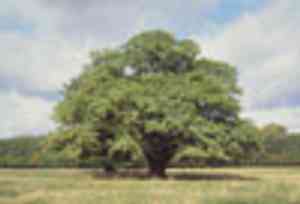
Originating from tropical climates, mountain soursop is recognized for its expansive, lustrous foliage and palatable produce. Effective trimming entails excising deceased or ailing limbs, thinning to boost light access, and sculpting for dimension management. Perform pruning in late winter to early spring prior to the emergence of fresh shoots. This period facilitates robust regeneration and sustains the plant's well-being by alleviating strain. Trimming mountain soursop boosts fruit yield and improves air movement, thereby averting fungal ailments.
What Are the Benefits of Pruning Mountain Soursop?
What Are the Benefits of Pruning Mountain Soursop?
Trimming mountain soursop encourages vigorous development and maintains its form, ensuring a strong framework for improved fruit yield and visual appeal.
What Is the Best Time for Pruning Mountain Soursop?
What Is the Best Time for Pruning Mountain Soursop?
Trimming mountain soursop in late winter, just before spring's growth spurt, is optimal. This timing allows the plant to recover quickly without sacrificing new growth that produces flowers and fruit. In early spring, gardeners can easily identify and remove any cold-damaged or diseased branches from mountain soursop before they invest energy in new foliage. Pruning during these seasons helps focus the plant's resources on developing sturdy branches capable of supporting the upcoming fruit load. Additionally, pruning at the end of dormancy minimizes the risk of mountain soursop developing infections at the cuts, as fewer pathogens are active in cooler weather. Trimming at this time also improves air circulation and light penetration, crucial for overall health and fruit ripening later in the season.
What Tools Do I Need to Prune Mountain Soursop?
Hand Pruners
These are essential for making clean cuts on small branches of mountain soursop. They are ideal for removing damaged or diseased limbs.
Lopping Shears
These provide more leverage for cutting through branches that are too thick for hand pruners. They help manage mountain soursopâs growth and remove larger limbs with ease.
Pruning Saw
For larger, more established branches that hand pruners and lopping shears cannot handle, a pruning saw is necessary. It allows for precise cuts without damaging mountain soursop's main structure.
Pole Pruner
Mountain soursop's height might require cutting branches that are out of reach. A pole pruner gives the added reach needed without using a ladder, ensuring safety.
Hedge Shears
If mountain soursop is being maintained as a hedge or shaped for aesthetic purposes, hedge shears allow for shaping and even trimming of the foliage.
How to Prune Mountain Soursop
Sterilize
Before pruning mountain soursop, sterilize your pruning tools with a solution of 1 part bleach to 9 parts water to prevent the spread of disease.
Inspect
Inspect mountain soursop for dead or diseased branches, which are typically discolored, shriveled, or showing signs of fungal growth.
Cut Dead Branches
Using a sharp pair of bypass pruners, cut dead branches at their point of origin or back to healthy wood, making a clean, angled cut just above a node or lateral branch.
Cut Diseased Branches
Prune diseased branches on mountain soursop by cutting them at least several inches below the affected area to ensure all infected material is removed.
Disposal
Dispose of all removed material promptly and away from healthy plants to prevent the potential spread of disease.
Common Pruning Mistakes with Mountain Soursop
Over-Pruning
Removing too much foliage at once, which can stress mountain soursop and impede its ability to photosynthesize effectively.
Improper Cutting Technique
Making jagged or torn cuts or pruning too close to the main stem can introduce pathogens and pests and hinder the healing process.
Pruning Without Disinfected Tools
Using dirty tools can spread disease to mountain soursop, risking the health of the plant.
Ignoring Diseased And Dead Material
Failing to remove these parts can allow disease and decay to spread to healthy areas of mountain soursop.
Pruning For Wrong Reasons
Cutting away branches indiscriminately rather than to shape the plant or remove unhealthy growth can lead to poor structure and vitality.
Common Pruning Tips for Mountain Soursop
Tool Selection
Use sharp, clean, and appropriate-sized pruning shears to make clean cuts without damaging mountain soursop.
Health-First Approach
Focus on removing dead, diseased, or damaged branches to maintain the health and appearance of mountain soursop.
Cutting Angle
Cut at a 45-degree angle, just above an outward-facing bud or branch, to encourage proper growth direction and drainage from the cut.
Pruning To Shape
Shape mountain soursop with consideration for its natural growth habit; avoid excessive thinning which can result in weak branches.
Hydration After Pruning
Ensure mountain soursop is well-watered after pruning to help the plant recover and reduce stress.



