How to Transplant Anginon difforme?
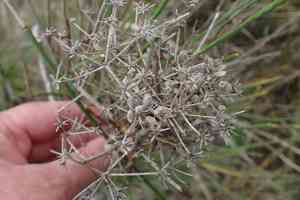
Anginon difforme thrives when relocated in the middle or latter part of spring, as the ground becomes warmer but retains its moisture. Select a bright spot with good drainage. Provide sufficient room for expansion and irrigate regularly following the move to aid its establishment.
What Preparations are Needed Before Transplanting Anginon Difforme?
What is the Ideal Time for Transplanting Anginon Difforme?
The best time to move anginon difforme, a perennial, is from mid-spring to early summer. This period offers warmer soil, more daylight, and stable weather, which encourages strong root development. Meeting these conditions boosts the plant's chances of flourishing in its new spot.
How Much Space Should You Leave Between Anginon Difforme Plants?
When relocating anginon difforme, ensure plants are spaced 18-24 inches (46-61 cm) apart. This spacing provides ample room for growth and air circulation, minimizing disease risk.
What is the Best Soil Mix for Anginon Difforme Transplanting?
Prepare the soil for anginon difforme by ensuring good drainage. Loamy soil is perfect. Incorporate a base fertilizer, such as compost or a balanced 10-10-10 granular product, to enrich the soil before planting.
Where Should You Relocate Your Anginon Difforme?
Select a site with full sun to partial shade for transplanting anginon difforme. Aim for at least 6 hours of daily sunlight to ensure vigorous growth and vibrant foliage.
What Equipments Should You Prepare Before Transplantation Anginon Difforme?
Gardening Gloves
To safeguard your hands while handling soil and plants.
Shovel or Spade
For digging and extracting soil around the plant.
Trowel
Useful for smaller digging tasks and for planting.
Pruning Shears
For trimming any damaged or dead roots.
Watering Can or Hose
To hydrate the plant before and after relocation.
Garden Fork
To loosen the soil, making removal easier.
Wheelbarrow
To transport the plant from its original spot to the new site.
Mulch
To help maintain soil moisture post-transplanting.
How Do You Remove Anginon Difforme from the Soil?
How Do You Remove Anginon Difforme from the Soil?
From Ground: First, water the anginon difforme plant to moisten the soil. Then, dig a wide trench around the plant using a shovel or spade, ensuring the plant's root ball stays intact. Carefully work the spade beneath the root ball to lift the plant from its original location.From Pot: Gently turn the pot sideways and tap the base to loosen the soil. Once the plant begins to emerge, carefully slide it out, holding the plant's base. If it's stuck, gently squeeze the pot to release it.From Seedling Tray: Water seedlings thoroughly before removal. Using a trowel or your fingers, gently lift the plant from underneath, minimizing root disturbance. Hold the plant by its leaves, not the stem, to prevent damage.
Step-by-Step Guide for Transplanting Anginon Difforme
Site Preparation
Prepare the new planting site by digging a hole that is twice as wide and the same depth as the plant's root ball.
Amend the Soil
Improve soil structure and fertility by adding compost or well-rotted manure to the hole.
Remove Plant
Carefully remove the anginon difforme plant from its original location using the appropriate removal process mentioned earlier.
Place the Plant
Gently place the anginon difforme plant into the prepared hole, ensuring it sits at the same depth it was growing in its original location.
Backfill the Hole
Fill the hole with soil, firmly but gently pressing around the root ball to eliminate air pockets.
Water Thoroughly
After planting, water the anginon difforme plant deeply to help settle the soil around the roots.
Add Mulch
Spread a layer of mulch around the base of the plant to help retain moisture and regulate soil temperature.
How Do You Care For Anginon Difforme After Transplanting?
Watering
Keep the soil around the anginon difforme consistently moist, but not soggy, for the first few weeks after transplanting to help establish strong roots.
Monitoring
Regularly check the plant for signs of stress, such as wilting or yellowing leaves, and address any issues promptly.
Mulching
Maintain a layer of mulch around the plant, but ensure it does not touch the stem directly to prevent rot.
Pruning
Remove any damaged or dead leaves or stems to help the plant focus its energy on new growth.
Troubleshooting Common Issues with Anginon Difforme Transplantation.
When is the best time to transplant anginon difforme?
Transplant anginon difforme in mid to late spring or early summer for optimal growth.
How far apart should I space anginon difforme plants?
Space anginon difforme plants 18-24 inches (45-60 cm) apart to ensure enough room for growth.
What should I do if anginon difforme wilts after transplanting?
Water anginon difforme thoroughly and provide partial shade to help it recover from transplant shock.
How deep should the planting hole be for anginon difforme?
Dig a hole deep enough to accommodate the root ball without bending the roots.
What type of soil is best for transplanting anginon difforme?
Use well-draining, fertile soil enriched with compost to give anginon difforme the best start.
How can I prevent root damage when transplanting anginon difforme?
Carefully lift anginon difforme with a garden spade, keeping the root ball intact to avoid damage.
Should I water anginon difforme immediately after transplanting?
Yes, water anginon difforme thoroughly right after transplanting to settle the soil around the roots.
What if anginon difforme has yellow leaves after transplanting?
Ensure anginon difforme is not overwatered and has proper drainage; adjust watering habits if needed.
Can I use fertilizer when transplanting anginon difforme?
Use a balanced, slow-release fertilizer to support anginon difforme's growth, but avoid over-fertilizing.
How can I protect anginon difforme from pests after transplanting?
Monitor anginon difforme regularly and use organic pest control methods to keep pests at bay.



