How to Prune Anginon difforme?
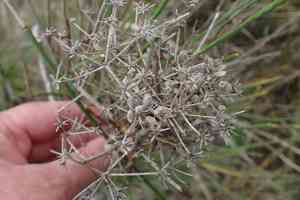
For anginon difforme, known for its fragrant leaves, perform trimming in early spring prior to the emergence of new shoots. Eliminate any lifeless or ailing branches to preserve the plant's vitality and structure. Cut back any excessively long portions to foster denser development and refine its inherent shape. Consistent trimming aids in preventing sparse growth and boosts air circulation, thereby lowering the likelihood of fungal ailments. Follow these recommendations to ensure a robust, shapely anginon difforme throughout the cultivation period.
What Are the Benefits of Pruning Anginon Difforme?
What Are the Benefits of Pruning Anginon Difforme?
Anginon difforme thrives with pruning, which encourages vigorous development and helps maintain its form. Regular trimming eliminates dead or diseased wood, fostering healthier growth and decreasing the likelihood of pest infestations.
What Is the Best Time for Pruning Anginon Difforme?
What Is the Best Time for Pruning Anginon Difforme?
Early spring is optimal for pruning anginon difforme, aligning with the end of its dormant phase. During this period, the plant has accumulated sufficient energy reserves and is preparing for a new growth cycle. Pruning in early spring stimulates fresh growth, improves air circulation, and lowers disease risk. Furthermore, trimming before the active growing season allows the plant to recover quicker and direct energy towards developing robust foliage and blossoms. This timing also ensures pruning doesn't interfere with flowering or fruiting, preserving the plant's overall health and aesthetic appeal.
What Tools Do I Need to Prune Anginon Difforme?
Anvil Pruners
Perfect for cutting dead or thick branches on anginon difforme due to their powerful cutting action.
Bypass Pruners
Ideal for making clean cuts on live stems and branches of anginon difforme, preventing harm to healthy tissues.
Pruning Saw
Useful for cutting larger branches of anginon difforme that are too thick for standard pruners.
Loppers
Extended reach and leverage simplify cutting medium-sized branches on anginon difforme with minimal effort.
How to Prune Anginon Difforme
Assessment
Thoroughly inspect the plant anginon difforme to identify any diseased or withered leaves, or dead or diseased branches. Look for signs like discoloration, brittleness, or lack of growth.
Tools
Ensure your pruning shears or scissors are sharp and sterilized to prevent disease spread and facilitate clean cuts for faster healing.
Diseased Leaves
Carefully remove diseased leaves by cutting just below the affected area. Dispose of these leaves away from healthy plants to prevent disease transmission.
Withered Leaves
Trim withered leaves at the base of the leaf stem or as close to the main stem as possible without harming healthy tissue. Ensure the cut is clean and smooth.
Dead Branches
Cut dead branches back to where live wood begins. Make the cut at a slight angle to encourage water runoff and reduce fungal infections. Repeat for diseased branches, cutting back to healthy, unaffected wood.
Common Pruning Mistakes with Anginon Difforme
Over-pruning
Removing too much foliage can stress anginon difforme, hindering its growth and flowering potential. It's crucial to prune moderately and strategically.
Improper technique
Using dull or dirty tools can result in jagged cuts, increasing disease risk. Always use clean, sharp pruners for precise cuts.
Ignoring plant structure
Disregarding the natural growth habit of anginon difforme can lead to an unattractive shape and potentially damage the plant. Pruning should enhance, not distort, its natural form.
Pruning at the wrong time
Pruning at an inappropriate time can disrupt the plant's growth cycle, even if the specific season isn't mentioned here.
Common Pruning Tips for Anginon Difforme
Sanitation
Always clean pruning tools before and after use to prevent the spread of plant diseases. Disinfect tools with a solution of one part bleach to nine parts water.
Removal of dead or diseased branches
Regularly inspect anginon difforme for dead, damaged, or diseased branches and remove them promptly to maintain plant health.
Encourage airflow
Thin out dense areas by removing crowded branches. This improves air circulation, reducing the risk of fungal infections.
Cut at the right place
Make cuts just above a leaf node or bud to promote new growth in the desired direction. Avoid leaving stubs, as they can be entry points for pests and diseases.
Steady and gradual pruning
Gradual and steady pruning over time ensures the plant isn't shocked by too much at once. This method also allows the gardener to observe the plant's response and adjust accordingly.



