How to Propagate Anginon difforme?
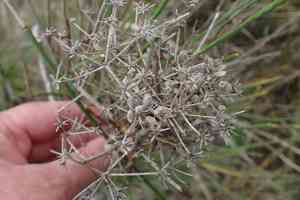
Anginon difforme, a member of the Apiaceae family, is a robust perennial species. It flourishes in adequately drained substrate with regular, but not excessive, irrigation. To achieve successful propagation, utilize cuttings harvested from vigorous specimens. Confirm that these cuttings are situated in a rooting substrate and maintained in dappled light until their root systems emerge. After they are well-rooted, relocate them to an appropriate outdoor setting.
Optimal Time for Anginon Difforme Propagation
Propagation Method
Cutting
Propagation Period
Spring,Summer
Tools Required for Anginon Difforme Propagation
Pruning Shears
Pruning shears are vital for taking cuttings. They enable clean, precise cuts without harming the parent plant. For anginon difforme, sharp, sanitized shears are crucial to prevent disease and ensure robust cuttings.
Rooting Hormone
Rooting hormone encourages cuttings to form roots more quickly and reliably. For anginon difforme, applying a rooting hormone powder or gel can significantly boost propagation success by stimulating root development.
Propagation Trays
Propagation trays are utilized to hold and manage multiple cuttings effectively. For anginon difforme, these trays offer a controlled environment where humidity and light can be easily adjusted to optimize root growth.
Misting Bottle
A misting bottle keeps cuttings moist without over-saturating them. For anginon difforme, maintaining proper moisture levels is essential for root formation and preventing desiccation of the cuttings.
Heat Mat
A heat mat provides consistent warmth from below, which aids in accelerating root development. Anginon difforme benefits from this warmth as it mimics natural growing conditions that promote root growth.
Sterilized Potting Mix
A sterilized potting mix reduces the risk of disease and offers a clean medium for root initiation. For anginon difforme, using a high-quality, well-draining potting mix ensures cuttings have the best chance to develop healthy roots.
Humidity Dome
A humidity dome helps retain moisture and creates a greenhouse effect around the cuttings. Anginon difforme thrives in a high-humidity environment during the initial rooting phase, making a humidity dome very beneficial.
How to Propagate Anginon Difforme?
Propagation Type
Moderately Difficult
Caring for Your Newly Propagated Anginon Difforme
Caring for Your Newly Propagated Anginon Difforme
Once roots have formed and new growth appears, gradually introduce the young anginon difforme plant to its regular environment by removing humidity covers and exposing it to typical room conditions. Keep the soil consistently moist but not waterlogged. Ensure the plant receives bright, indirect light and check for pests and diseases. Fertilize the young plant with a balanced, diluted feed every few weeks to encourage healthy development.
Common Errors to Avoid When Propagating Anginon Difforme
Overwatering
Excessive moisture can lead to root rot and other fungal issues, hindering successful propagation.
Incorrect Soil Medium
Using a soil medium that is too dense or retains too much water can impede root growth and result in poor aeration.
Lack of Sunlight
Anginon difforme requires sufficient sunlight for photosynthesis; inadequate light can hinder growth and development.
Improper Cutting Techniques
Using dull tools or making incorrect cuts can damage plant tissue, reducing the likelihood of successful rooting.
Ignoring Pest Control
Failing to manage pests can lead to infestations that weaken the plant, making it less likely to thrive.
Tips For Propagating Anginon Difforme
Use Well-Draining Soil
Ensure the use of a soil mix with good drainage to prevent waterlogging and encourage healthy root development.
Moderate Watering
Water the plant sparingly, providing just enough moisture to keep the soil slightly damp but not soggy.
Provide Sufficient Light
Place anginon difforme in a location where it receives ample indirect sunlight to support vigorous growth.
Sharp and Clean Tools
Utilize sharp, sterilized tools to make clean cuts, which minimize damage and encourage successful rooting.
Monitor for Pests
Regularly inspect anginon difforme for pests, and use appropriate control methods to keep infestations at bay.



