How to Transplant Poison angelica?
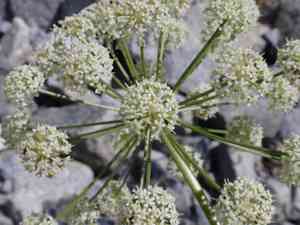
Poison angelica flourishes when transplanted at the peak of spring, benefiting from ideal soil temperature and humidity. Place it in an area receiving full sun to partial shade. For successful transplantation: provide generous watering after relocation to facilitate rapid root establishment.
Necessary Preparations Before Moving Poison Angelica?
Optimal Period for Relocating Poison Angelica?
Poison angelica, a Perennial, flourishes when moved during the peak of mid to late spring. This timing guarantees excellent root establishment due to warmer soil temperatures and consistent moisture levels. Relocating poison angelica in this season maximizes growth potential, minimizes transplant shock, and utilizes the plant's natural growth cycle, leading to strong development and vibrant health.
Required Spacing Between Poison Angelica Plants?
To ensure poison angelica plants have ample room to develop, position them 2-3 feet (60-90 cm) apart. This spacing promotes sufficient airflow and reduces competition for nutrients, helping your plants thrive.
Best Soil Blend for Poison Angelica Relocation?
For poison angelica, utilize well-draining soil enriched with organic matter. Prepare the soil by incorporating a foundational fertilizer, such as compost or aged manure, to supply vital nutrients and encourage robust root growth.
Where to Replant Your Poison Angelica?
Select a sunny location for moving poison angelica. This plant thrives with at least 6-8 hours of direct sunlight daily. Ensuring ample sunlight will foster healthy growth and vibrant foliage.
Equipment Needed Before Transplanting Poison Angelica?
Gardening Gloves
To safeguard your hands while handling soil and the plant.
Shovel or Spade
To excavate around and lift the plant from its initial spot.
Trowel
For precise digging and moving soil.
Watering Can or Hose
To hydrate the plant before and after relocation.
Pruning Shears
To trim any damaged roots or stems.
Wheelbarrow
Optional but helpful for transporting the plant to its new site.
Mulch
To aid in retaining soil moisture post-transplant.
How to Extract Poison Angelica from the Ground?
How to Extract Poison Angelica from the Ground?
From Ground: First, irrigate the poison angelica plant to moisten the soil. Then, dig a wide trench around the plant using a shovel or spade, ensuring the plant's root ball remains intact. Carefully work the spade beneath the root ball to lift the plant from its original position.From Pot: Water the poison angelica plant to loosen the soil. Grasp the base of the plant and tilt the pot sideways, gently tapping the bottom and sides to release the plant. If it's stuck, use a trowel to loosen the soil around the pot's edges.From Seedling Tray: Water the seedlings to make the soil easier to manage. Use a trowel or a small spoon to carefully lift the seedlings, ensuring you take as much of the root system as possible without causing damage.
Step-by-Step Guide for Relocating Poison Angelica
Site Preparation
Choose a well-drained area with adequate sunlight for your poison angelica plant. Clear the space of any weeds or debris.
Digging Hole
Excavate a hole that is twice as wide and the same depth as the root ball of the poison angelica plant. This additional width allows the roots to spread out more easily.
Plant Placement
Position the poison angelica plant in the hole at the same depth it was previously growing. The top of the root ball should be level with or slightly above the surrounding soil.
Backfilling
Refill the hole with soil, gently pressing it down to remove air pockets. Ensure the plant is stable and upright.
Watering
Thoroughly water the poison angelica plant to help settle the soil and establish the roots in their new location.
Mulching
Apply a layer of mulch around the base of the poison angelica plant to help retain moisture and regulate soil temperature.
Post-Transplant Care for Poison Angelica
Watering
Keep the soil around the poison angelica consistently moist, but not waterlogged, for the initial few weeks after transplanting to aid in establishing strong roots.
Monitoring
Regularly inspect the plant for indications of stress, such as wilting or yellowing leaves, and address any issues promptly.
Pruning
Remove any damaged or dead stems to encourage healthy growth and reduce stress on the plant.
Mulching Maintenance
Ensure the mulch maintains a consistent layer, replenishing it as needed to help retain moisture and suppress weeds.
Troubleshooting Common Issues with Poison Angelica Relocation.
When is the best time to transplant poison angelica?
The ideal time to transplant poison angelica is in mid to late spring for optimal growth.
How much space should be between transplanted poison angelica plants?
Space poison angelica plants 2-3 feet (60-90 cm) apart to ensure they have enough room to grow.
What should be the depth of the planting hole for poison angelica?
The planting hole should be deep enough to cover the root ball and a bit wider.
How should I prepare the soil before transplanting poison angelica?
Loosen the soil and mix in compost to improve drainage and nutrient availability for poison angelica.
What is the optimal temperature for transplanting poison angelica?
Transplant poison angelica when temperatures are between 55-70°F (13-21°C) to avoid stress on the plant.
How do I water poison angelica after transplanting?
Water poison angelica thoroughly after transplanting, ensuring the soil is consistently moist but not waterlogged.
Should I trim poison angelica before transplanting?
It's a good idea to trim any damaged or diseased parts of poison angelica before transplanting to encourage new growth.
What type of fertilizer is best for newly transplanted poison angelica?
Use a balanced, slow-release fertilizer to give poison angelica a steady supply of nutrients after transplanting.
How do I acclimate poison angelica before transplanting outdoors?
Gradually expose poison angelica to outdoor conditions over a week to harden them off before transplanting.
What should I do if poison angelica shows signs of transplant shock?
Keep poison angelica well-watered, out of direct sun, and consider adding a mild transplant solution to help recover.



