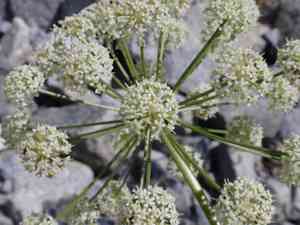
Poison angelica (Angelica lineariloba)
Also known as: Long-leaved Angelica
Poison angelica (Angelica venenosa) is characterized by its delicate, elongated leaves and clusters of creamy white flowers. This perennial herb flourishes in moist, well-drained soils and typically favors partial to full sunlight. Commonly found in wetlands and along stream banks, it adds a notable presence with its graceful appearance and aromatic properties.
In This Article
Attributes of Poison angelica
Lifespan
Perennial
Plant Type
Herb
Plant Height
50 to 150 centimeters
Spread
30 to 60 centimeters
Leaf Color
Green
Flower Size
2 to 4 millimeters per flower
Flower Color
White
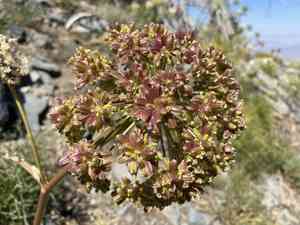
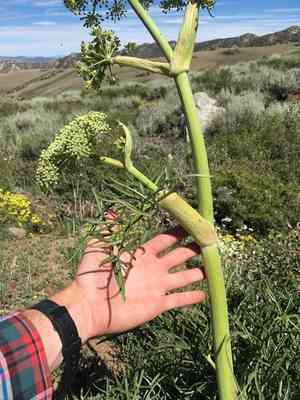
Images of Poison angelica


Quickly Identify Poison angelica
1
Recognize Angelica lineariloba by its elongated, linear leaves that are finely divided and its umbel-like clusters of small white flowers typically seen in summer.
Scientific Classification of Poison angelica
Phylum
Vascular plants
Class
Dicotyledons
Order
Apiales
Family
Umbellifers
Genus
Angelica
Species
Poison angelica
Planting and Growing of Poison angelica
Care Difficulty
Moderate
Watering Schedule
Every 3 days
Sunlight Requirements
Partial sun
Sunshine Duration
4-8 hours
Ideal Temperature
65-75℉
Soil Type
Potting Mix, Peat Mix
Soil pH
6.5-7.5
Fertilizer Type
Balanced
Pruning Season
Spring, Summer
Pruning Area
Branches, Leaves
Pruning Frequency
2 times a year
Repotting Season
Spring
Pot Type
Ceramic, Plastic
 How to Water Poison angelica?
When watering Angelica lineariloba, aim to use about 250 ml of water per session. This allows the soil to become evenly moist but not saturated. Ensure that the water seeps through to the root zone to support optimal growth without waterlogging the plant.
What are the symptoms of an underwatered Poison angelica?
›
What should I do if my Poison angelica is not getting enough water?
›
What are the symptoms of an overwatered Poison angelica?
›
How to save an overwatered Poison angelica?
›
 What Are the Sunlight Requirements for Poison angelica?
Angelica lineariloba ideally should be in partial to full sun environments, benefiting from balanced light exposure for robust structural development, enhancing both its aesthetic and physiological properties.
What is the ideal lighting condition for Angelica lineariloba?
›
How can I provide ideal light for Angelica lineariloba?
›
What are the benefits of ideal lighting for Angelica lineariloba?
›
 What Is the Ideal Temperature Range for Poison angelica?
For optimal growth, Angelica lineariloba should be kept in an environment where the temperature stays between 65°F and 75°F. This range provides the best balance between metabolic rates and enzymatic activities that support healthy growth. Deviations from this range can affect photosynthesis and overall plant vigor.
 What Soil is Best for Poison angelica?
Angelica lineariloba thrives in well-drained soil which prevents waterlogging. This is essential as it allows roots to access oxygen, reducing the risk of root rot and promoting robust growth, essential for a plant of its nature. This plant demands a nutrient-rich environment, which provides the necessary micro and macronutrients. Ideal soils are augmented with organic matter such as compost to enhance fertility and ensure vigorous plant development. Although well-drained, the soil must retain enough moisture to support the plant's water needs. A finely balanced soil that retains essential moisture without becoming waterlogged ensures prolonged health and vitality.
 How to Fertilize Poison angelica?
For Angelica lineariloba, it's crucial to use a balanced liquid fertilizer diluted to half strength. Each application should not exceed 150 ml per plant to avoid nutrient overload. Be consistent in measuring to ensure uniform feeding across similar plants.
 How to Prune Poison angelica?
Begin by sterilizing your pruning shears to prevent disease transmission. Inspect the plant for dead or damaged stems; these should be removed first. Trim the stems back to the desired shape, but not more than one-third of the plant's total size. Always make cuts just above a leaf node to encourage robust regrowth. For those familiar with plant care, try pinching back the growing tips of Angelica lineariloba in the early growing season. This encourages bushier growth as it stimulates lateral bud development. Additionally, removing spent flowers promptly can prolong the blooming period and reduce seed drop if you wish to manage propagation.
More About Pruning Techniques→
 How to Propagate Poison angelica plant?
1
Start by filling a seed tray with a seed-starting mix, then evenly distribute the seeds on the surface. Lightly cover them with no more than a quarter inch of additional mix and mist gently to keep the soil moist.
2
Select a healthy, non-flowering stem from the parent plant. Using sharp pruning shears, make a clean cut just below a node. Remove leaves from the bottom third of the cutting to prepare it for rooting.
3
Carefully dig up the plant ensuring minimal damage to the roots. Shake off excess soil and use a sharp knife to separate the plant into smaller clumps, each with its own root system, before replanting.
 How to Repot Poison angelica plant?
1
Angelica lineariloba typically needs repotting when you notice reduced growth or roots protruding from the pot's drainage holes. These are indicators that your plant is root-bound and needs more space to thrive. Ideally, repot in early spring or autumn when the plant is most adaptable to change and less likely to suffer from transplant shock.
2
Select a pot one size larger than the current one to provide ample space for growth without overwhelming the plant. Ensure it has drainage holes to prevent waterlogging, which can cause root rot. Materials like terracotta can be beneficial as they allow for better air circulation and evaporation.
3
Opt for a well-draining loamy mix to prevent water retention, which Angelica lineariloba dislikes. Such soil mimics its natural habitat and ensures the roots have adequate air and nutrients. Including organic matter like compost can boost the soil's nutrient content, promoting healthier plant growth.
Learn More About Poison angelica Diseases
Anthracnose
Bacterial Leaf Spot
Bacterial Soft Rot
Bacterial Wilt
Crown Gall
Cyst Nematode
Damping-off
Downy Mildew
Fusarium Wilt
Gray Mold
Leaf Spot
Mosaic
Powdery Mildew
Root Rot
Root-knot Nematode
Rusts
Sooty Mold
White Mold
Chemical Injury
Drought Stress
Nutrient Deficiency
Nutrient Toxicity
Temperature Stress
Spider Mites
Thrips Damage



