How to Prune Poison angelica?
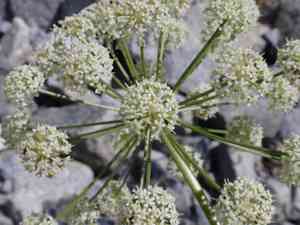
Distinguished by its elevated height and poisonous attributes, poison angelica thrives with trimming in late winter to early spring, right before fresh development commences. Eliminate compromised or lifeless stalks to foster vigorous growth. Pinching back nascent shoots can encourage a more compact structure. Consistent trimming averts excessive growth and preserves the plant's contour. Always employ sanitized, keen implements to lessen harm and impede the dissemination of ailments. Pruning poison angelica elevates its visual appeal and aids sturdy progression.
What Are the Benefits of Pruning Poison Angelica?
What Are the Benefits of Pruning Poison Angelica?
Trimming poison angelica encourages robust development by eliminating dead or diseased sections, directing the plant's energy to healthy areas. It helps maintain its form, prevents crowding, and lowers the risk of pests and illnesses.
What Is the Best Time for Pruning Poison Angelica?
What Is the Best Time for Pruning Poison Angelica?
Pruning poison angelica in late winter and early spring is optimal due to its growth cycle. During this period, the plant is dormant or just starting to emerge, allowing for quick recovery and directing energy towards healthy new growth. Pruning then also aids in shaping the plant and removing dead or diseased wood, which improves air circulation and reduces disease risk. Furthermore, pruning before the active growing season ensures the plant has time to heal before producing new foliage and flowers.
What Tools Do I Need to Prune Poison Angelica?
Bypass Pruners
Perfect for making precise cuts on stems and smaller branches to shape poison angelica and remove any damaged or dead parts.
Long-handled Loppers
Useful for reaching thicker stems or branches located deeper within the plant's structure, ensuring clean, controlled cuts.
Hand Pruning Saw
Necessary for cutting through thicker, woody sections, especially when dealing with older or more established plants.
Gloves
Crucial for protecting hands from any irritating sap or residues during the pruning process.
Disinfectant Wipes
Important for cleaning tools between cuts to prevent the spread of diseases.
How to Prune Poison Angelica
Inspection
Carefully examine poison angelica for indications of diseased or withered leaves. Identifying affected areas will help customize your approach and avoid harming healthy sections.
Tool Sanitization
Sanitize pruning tools using a solution of one part bleach to nine parts water. This action prevents the spread of diseases to healthy parts of poison angelica.
Remove Diseased Leaves
Gently cut away any diseased leaves using sharp pruning shears. Make clean cuts just above the base of the leaf stem, ensuring no diseased tissue remains.
Trim Withered Leaves
Trim off withered leaves by cutting them at their base. This helps to prevent the possible accumulation of dead material near the healthy parts.
Disposal
Properly dispose of the removed diseased and withered leaves away from the garden area to prevent pathogens from infecting other plants or reinfecting poison angelica.
Common Pruning Mistakes with Poison Angelica
Over-pruning
Removing too much foliage at once can stress poison angelica and hinder its growth and flowering. Aim to prune sparingly to maintain the plant's health.
Improper technique
Using dull or unsuitable tools can cause damage to poison angelica, resulting in torn or crushed stems. Always use clean, sharp pruning shears.
Timing errors
Pruning at the wrong time or too frequently can disrupt the growth cycle of poison angelica, leading to stunted growth or fewer flowers.
Ignoring plant structure
Pruning without considering the natural growth pattern of poison angelica can lead to an unbalanced shape and hinder its overall aesthetics and health.
Common Pruning Tips for Poison Angelica
Light, frequent pruning
Regularly removing dead or damaged stems and leaves helps poison angelica stay healthy and encourages continuous growth without causing significant stress.
Clean, sharp tools
Always prune poison angelica with well-maintained tools to make clean cuts. This reduces the risk of infections and promotes faster healing.
Minimal cuts
Make small, precise cuts just above a node to encourage new growth. This helps maintain the shape and vitality of poison angelica.
Observe growth patterns
Pay attention to the natural shape and growth tendencies of poison angelica when pruning. This ensures you are supporting its innate structure and optimizing its appearance.



