How to Propagate Poison angelica?
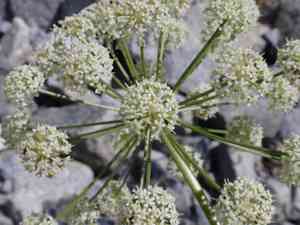
Poison angelica is a member of the Apiaceae family, recognized by its characteristic slender foliage and umbrella-like flower clusters. The most effective propagation method involves planting freshly gathered seeds in damp, well-aerated substrate. It's crucial to keep the soil uniformly moist without allowing it to become saturated. Sufficient light exposure and a protected spot away from powerful gusts will facilitate sprouting and development. Perseverance is essential since germination times can fluctuate.
When Is the Optimal Time to Propagate Poison Angelica?
Propagation Type
Sowing
Propagation Season
Spring
What Equipment Is Used for Poison Angelica Propagation?
Seed Tray
Seed trays are vital for starting poison angelica seeds in a controlled setting. They offer an organized space for planting multiple seeds with proper spacing, ensuring each seedling has sufficient room to grow without competition. Seed trays also simplify monitoring and care of seedlings during their initial growth phases.
Seed Starting Mix
A premium seed starting mix is essential for supplying poison angelica seeds with the nutrients and aeration needed for germination. The mix should drain well to prevent waterlogging while retaining enough moisture to keep seeds hydrated. This guarantees a high germination rate and robust seedling development.
Heat Mat
A heat mat placed beneath the seed tray helps maintain a steady, warm temperature, which benefits the germination of poison angelica. Consistent warmth can speed up the germination process and enhance overall seedling vigor, especially if planting occurs in cooler months.
Humidity Dome
A humidity dome positioned over the seed tray creates a microenvironment with elevated humidity, particularly useful for the initial stages of poison angelica seed germination. This tool helps keep the soil moist and establishes a stable environment that reduces the risk of seedlings drying out.
Plant Labels
Plant labels ensure that each seed variety is accurately identified throughout the propagation process. This is especially important for poison angelica if planting multiple batches or types, as it prevents mix-ups and aids in managing care and transplant schedules effectively.
Watering Can with Fine Rose
A watering can equipped with a fine rose attachment provides gentle irrigation to avoid disturbing poison angelica seeds and seedlings. Gentle watering ensures the soil remains moist without dislodging seeds or harming delicate seedlings, which is crucial for their survival and growth.
LED Grow Lights
LED grow lights are advantageous if natural light is insufficient, providing the necessary light spectrum for poison angelica. Adequate light ensures strong seedling growth and minimizes the risk of leggy or weak seedlings.
How to Propagate Poison Angelica?
Propagation Type
Easy
How to Care for Your Newly Propagated Poison Angelica?
How to Care for Your Newly Propagated Poison Angelica?
After propagating poison angelica, ensure the young plants receive sufficient sunlight, ideally partial shade, and consistent watering to keep the soil moist but not waterlogged. Fertilize lightly with a general-purpose fertilizer monthly during the growing season. Monitor for signs of pests and diseases, and take appropriate action if necessary. Apply mulch around the base of the plants to help retain moisture and regulate soil temperature.
Common Mistakes to Avoid When Propagating Poison Angelica
Overwatering
Excessive watering can lead to root rot, which is detrimental to the plant's survival and propagation success.
Improper Soil
Using soil that is too dense or not well-draining can suffocate the roots and prevent proper growth.
Lack of Sunlight
Providing insufficient light can result in weak and leggy plants, hindering their ability to establish and thrive.
Incorrect Temperature
Failing to maintain the appropriate temperature range can stress the plant, impacting root development and overall health.
Neglecting Plant Hygiene
Not cleaning tools or using contaminated soil can introduce diseases or pests, hampering propagation efforts.
Tips For Propagating Poison Angelica
Optimal Soil
Utilize well-draining, sandy loam soil to ensure proper root aeration and water management.
Water Management
Water sparingly, ensuring the soil stays moist but not soggy to prevent root rot and promote healthy growth.
Sun Exposure
Provide ample indirect sunlight, avoiding direct intense light which can scorch the leaves.
Temperature Control
Maintain a consistent temperature that mimics the natural habitat, avoiding extreme fluctuations.
Hygienic Practices
Regularly sterilize tools and use clean potting mix to prevent disease spread and promote healthy rooting.



