How to Transplant Anemone hupehensis?
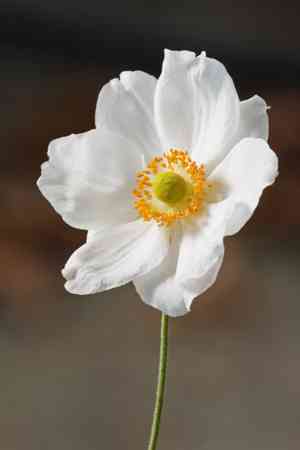
Anemone hupehensis flourishes optimally when relocated in mid-summer, guaranteeing consistently warm conditions. It favors a spot with partial shade and damp, adequately draining earth. Handle with care during transplantation to lessen root disruption.
Essential Preparations Before Relocating Anemone Hupehensis?
When is the Best Time to Move Anemone Hupehensis?
The prime window for relocating anemone hupehensis spans from early to mid-summer. This period is perfect as the warm ground aids root development prior to the cooler autumn. By moving anemone hupehensis then, you benefit from extended daylight and moderate humidity, which lessens transplant shock and encourages strong growth.
What Distance Should Be Maintained Between Anemone Hupehensis Plants?
When relocating anemone hupehensis, position plants approximately 18-24 inches (45-60 cm) apart. This spacing provides ample room for individual plant growth without competition, ensuring adequate air circulation and access to resources.
Which Soil Mixture is Optimal for Anemone Hupehensis Relocation?
Before relocating anemone hupehensis, prepare soil that drains well. Utilize a loamy blend rich in organic matter. Improve the soil with a phosphorus-rich base fertilizer to support root growth. A balanced 10-10-10 (N-P-K) fertilizer at half strength is a suitable option.
Where Should You Replant Your Anemone Hupehensis?
Select a spot that offers partial to full sun when relocating anemone hupehensis. They flourish with at least 4-6 hours of daily sunlight. Morning sun with afternoon shade is ideal, especially in warmer regions to shield them from intense midday heat.
What Tools Are Necessary Before Moving Anemone Hupehensis?
Gardening Gloves
To safeguard your hands while handling soil and plants.
Shovel or Spade
For excavating and lifting the plant from its initial spot.
Trowel
For digging smaller holes when moving seedlings or smaller plants.
Garden Fork
To loosen the earth when extracting the plant from the ground.
Watering Can or Hose
To hydrate the plant before and after its relocation.
Mulch
To aid in moisture retention and soil temperature regulation post-transplant.
Bucket or Container
To transport the plant if required.
How Do You Extract Anemone Hupehensis from the Ground?
How Do You Extract Anemone Hupehensis from the Ground?
From Ground: First, hydrate the anemone hupehensis plant to moisten the soil. Next, dig a wide trench around the plant using a shovel or spade, ensuring the plant's root ball stays intact. Carefully work the spade beneath the root ball to lift the plant from its original position.From Pot: Gently tap the pot's sides to loosen the soil. Hold the plant at its base and carefully pull it out, ensuring the root ball remains whole.From Seedling Tray: Use a trowel or your fingers to carefully lift the seedling from the tray, taking care not to harm the delicate roots.
Step-by-Step Guide for Relocating Anemone Hupehensis
Site Preparation
Prepare the new planting area by loosening the soil and removing any weeds or debris.
Digging the Hole
Excavate a hole that is twice as wide and equally deep as the root ball of the anemone hupehensis plant.
Placing the Plant
Position the anemone hupehensis plant in the hole, ensuring it sits at the same depth as it did in its previous location. Gently spread out the roots if they are tightly packed.
Backfilling
Fill the hole with soil, gently pressing it down to eliminate air pockets. Be careful not to bury the plant's crown.
Watering
Thoroughly water the anemone hupehensis plant after relocation to help settle the soil and establish the roots.
Applying Mulch
Apply a layer of mulch around the plant's base to help retain moisture and regulate soil temperature.
How Do You Care For Anemone Hupehensis After Relocation?
Watering
Keep the soil around the anemone hupehensis consistently damp, but not waterlogged, for the initial weeks post-relocation to aid in developing strong roots.
Monitoring
Observe the plant for any signs of distress such as wilting or yellowing leaves, and take corrective measures, like adjusting watering or providing shade.
Support
Provide stakes or supports if necessary to help the plant remain upright while it establishes itself.
Fertilizing
Once the plant has settled and begun to grow, apply a balanced fertilizer to encourage healthy development.
Addressing Common Issues with Anemone Hupehensis Relocation.
What is the optimal time to move anemone hupehensis?
Early to mid-summer is ideal for moving anemone hupehensis to ensure optimal growth and establishment.
How much space should be between relocated anemone hupehensis plants?
Position anemone hupehensis plants 18-24 inches (45-60 cm) apart to provide sufficient room for growth.
What kind of soil is best for anemone hupehensis when relocating?
Well-draining soil with organic matter is best for relocating anemone hupehensis to promote healthy root development.
How deep should you plant anemone hupehensis during relocation?
Plant anemone hupehensis at the same depth it was growing originally to prevent stress.
How should you water anemone hupehensis after relocating?
Water anemone hupehensis thoroughly after relocating, ensuring the soil is moist but not waterlogged.
What should you do to lessen transplant shock in anemone hupehensis?
Water regularly, provide initial shade, and avoid disturbing the roots to minimize transplant shock in anemone hupehensis.
Can you relocate anemone hupehensis in full sun?
Yes, but ensure anemone hupehensis is gradually acclimated to full sun to prevent sunburn.
How crucial is mulch when relocating anemone hupehensis?
Applying mulch around anemone hupehensis helps retain moisture and regulate soil temperature, aiding establishment.
What should you do if anemone hupehensis appears wilted after relocating?
Check soil moisture and provide consistent watering; avoid overwatering as it can lead to root rot.
Is fertilizing necessary immediately after relocating anemone hupehensis?
It's better to wait a few weeks after relocating before fertilizing to avoid nutrient stress.



