How to Prune Anemone hupehensis?
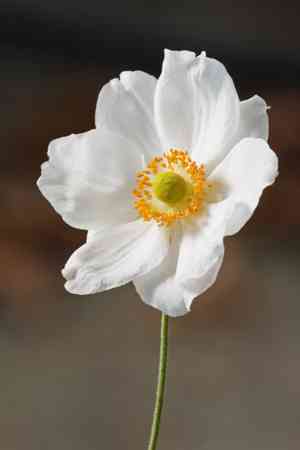
Distinguished by its fragile, many-petaled blossoms, anemone hupehensis necessitates judicious trimming to foster robust flowering. The most suitable period for this maintenance is during spring and summer, coinciding with its vigorous development phases. Eliminate faded blooms and any lifeless or ailing stalks to stimulate fresh development. Reducing crowded sections improves air movement and deters fungal problems. Meticulous pruning not only elevates visual appeal but also extends the flowering duration, presenting a more vivid spectacle.
What Are the Benefits of Pruning Anemone Hupehensis?
What Are the Benefits of Pruning Anemone Hupehensis?
Trimming anemone hupehensis encourages strong development and maintains its attractive form. Regular cutting back promotes a denser structure, improving flower display and overall plant health by allowing better air movement and light access.
What Is the Best Time for Pruning Anemone Hupehensis?
What Is the Best Time for Pruning Anemone Hupehensis?
Trimming anemone hupehensis in early Spring, or at the start of Summer, optimizes its growth and blooming. Spring pruning stimulates vigorous growth as the plant exits dormancy, leveraging the season's peak growth energy. Early Summer pruning, following the initial bloom, aids in removing spent flowers and can encourage a second flowering phase, preserving the health and visual appeal of anemone hupehensis. This timing helps avoid cutting back anemone hupehensis in late Summer or Fall when new growth might be vulnerable to winter damage.
What Tools Do I Need to Prune Anemone Hupehensis?
Hand Pruners
Perfect for making precise cuts on the thinner, more delicate stems of anemone hupehensis. Utilizing sharp, bypass hand pruners can help minimize harm to the plant's tissue, encouraging faster healing.
Pruning Shears
Beneficial for deadheading and shaping anemone hupehensis, particularly during the growing season to maintain plant vitality and appearance. They are accurate and easy to handle, making them ideal for cutting back faded stems.
Garden Scissors
These are excellent for snipping off dead or dying leaves without disturbing the rest of the plant. Garden scissors provide the precision required for the careful grooming anemone hupehensis needs.
How to Prune Anemone Hupehensis
Inspect
Examine anemone hupehensis for diseased and withered leaves, as well as any stems showing signs of illness. Carefully look for discolored, spotted, or distorted foliage and stems, which could indicate health problems.
Sanitize
Before trimming, disinfect your pruning tools to prevent the spread of disease. Use a bleach or alcohol solution to effectively clean blades.
Trim Leaves
Using your disinfected tools, carefully remove diseased and withered leaves from anemone hupehensis. Make clean cuts close to the stem, ensuring not to harm healthy parts of the plant.
Trim Stems
For any diseased stems, make cuts at least several inches below the affected sections into healthy, green tissue. Ensure cuts are made at a 45-degree angle to promote water runoff and prevent disease entry.
Cleanup
After trimming, clear away all removed material from around anemone hupehensis. Dispose of diseased foliage and stems properly to avoid re-infection or spread of the disease to other plants.
Common Pruning Mistakes with Anemone Hupehensis
Overpruning
A frequent error is removing too much foliage, which can stress anemone hupehensis and reduce its vigor and flowering potential.
Improper cut placement
Cutting too close or too far from the stem's base risks harming the plant's natural shape and can lead to uneven growth or susceptibility to pests and diseases.
Pruning at the wrong angle
Incorrect angle cuts can create larger wounds, which take longer to heal, making anemone hupehensis more vulnerable to environmental stresses.
Using dull tools
Utilizing unsharpened pruning tools can cause ragged cuts, damaging anemone hupehensis's stems and potentially leading to disease entry.
Common Pruning Tips for Anemone Hupehensis
Right tools
Use sharp, clean pruning shears to make precise cuts. This helps prevent damage and disease.
Prune for shape
Focus on maintaining the natural form of anemone hupehensis. Remove only the parts that are dead, damaged, or diseased, and thin out areas to improve light penetration and air circulation within the foliage.
Judicious thinning
Thinning overcrowded areas helps enhance anemone hupehensis's health and flowering. Too much foliage can lead to poor air circulation, which might invite pests and diseases.
Post-pruning care
After trimming, ensure anemone hupehensis is well-watered and, if necessary, fertilized to aid in recovery and robust growth.



