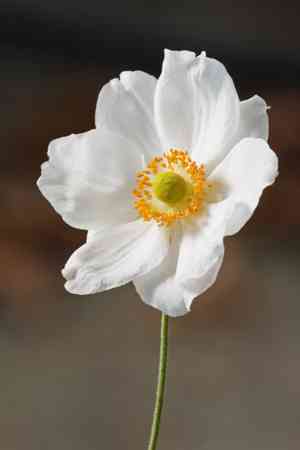
Anemone hupehensis (Anemone hupehensis)
Also known as: Chinese Anemone, Japanese Anemone, Windflower
Anemone hupehensis is a perennial plant known for its longevity. The flowers come in shades of pink, purple, or white, varying by cultivar. The leaves are deeply lobed, resembling outspread fingers. This plant is typically found in the lowland thickets, along streams, and in the hilly areas of China and Japan.
In This Article
Attributes of Anemone hupehensis
Lifespan
Perennial
Plant Type
Herb
Plant Height
90 cm
Spread
60 cm
Leaf Color
Dark green
Flower Size
4-6 cm (1.5-2.5 inches)
Flower Color
Pink, white, purple
Images of Anemone hupehensis

Quickly Identify Anemone hupehensis
1
To identify Anemone hupehensis, look for its distinctive cup-shaped flowers with five to ten petals, a central cluster of yellow stamens, and deeply lobed, dark green foliage. The plant typically blooms in late summer through autumn.
Scientific Classification of Anemone hupehensis
Phylum
Vascular plants
Class
Dicotyledons
Order
Buttercups, poppies and allies
Family
Buttercup
Genus
Windflowers
Species
Anemone hupehensis
Planting and Growing of Anemone hupehensis
Care Difficulty
Easy
Watering Schedule
Every 4 days
Sunlight Requirements
Partial sun
Sunshine Duration
6-8 hours
Ideal Temperature
60-75℉
Soil Type
Potting Mix, Peat Mix
Soil pH
6.5-7.5
Fertilizer Type
Balanced
Pruning Season
Spring, Summer
Pruning Area
Branches, Leaves
Pruning Frequency
Once a year
Repotting Season
Spring
Pot Type
Plastic, Terracotta
 How to Water Anemone hupehensis?
For Anemone hupehensis, it's crucial to water deeply but infrequently. About 500 ml per session should suffice, ensuring the water penetrates the soil to reach the roots. This allows the plant to access moisture it stores for drier periods.
What are the symptoms of an underwatered Anemone hupehensis?
›
What should I do if my Anemone hupehensis is not getting enough water?
›
What are the symptoms of an overwatered Anemone hupehensis?
›
How to save an overwatered Anemone hupehensis?
›
 What Are the Sunlight Requirements for Anemone hupehensis?
Anemone hupehensis thrives best in partial sun to full shade conditions. Suitable light exposure promotes vibrant blooms and healthy foliage, enhancing its ornamental value and ensuring robust growth.
Best Lighting Location
›
Solution for Optimal Lighting
›
Benefits of Ideal Lighting
›
 What Is the Ideal Temperature Range for Anemone hupehensis?
The ideal temperature range for Anemone hupehensis is between 60°F and 75°F. This range provides the best conditions for optimal growth and blooming. In these temperatures, the plant can efficiently carry out photosynthesis and maintain its cellular functions without the stress of excessive heat or cold, ensuring healthy development.
 What Soil is Best for Anemone hupehensis?
Anemone hupehensis thrives in well-draining soil, preventing waterlogging, which can lead to root rot. This ensures healthy growth and vibrant flowers. Enriching the soil with organic matter such as compost provides essential nutrients. This improves soil structure and fertility, benefiting the plant's overall vitality. Maintaining moderate moisture is crucial for Anemone hupehensis. Regular watering without over-saturation promotes robust growth and blossoming.
 How to Fertilize Anemone hupehensis?
For Anemone hupehensis, the fertilizer amount should be moderate. Use a balanced 10-10-10 liquid fertilizer at half the recommended concentration to prevent over-fertilization. For solid fertilizers, a slow-release granular type with a ratio of 14-14-14 is preferred. Apply according to the plant's growing season needs, ensuring the nutrients are gradually provided.
 How to Prune Anemone hupehensis?
Start by sterilizing your pruning shears to prevent the spread of disease. Focus on removing dead or damaged stems at their base. Cut back any stems that look weak or straggly to encourage new, robust growth. If the plant has finished flowering, trim the stems back to the base to promote a healthy flush of foliage in the upcoming season. To encourage a denser growth pattern, pinch back the tips of new shoots early in the growing season. This practice will provoke the plant to produce side shoots, resulting in a fuller and bushier appearance. Ensure that only a small portion of the stem is removed — roughly 2 to 3 inches — to stimulate this growth without cutting back too drastically.
More About Pruning Techniques→
 How to Propagate Anemone hupehensis plant?
1
Fill seed trays with fine potting soil, and evenly distribute Anemone hupehensis seeds. Cover with a thin soil layer, maintaining gentle moisture until germination.
2
Carefully dig around the plant base with a trowel. Separate root clumps gently before replanting each division in prepared soil beds for optimal growth.
3
Ensure newly planted seeds or divisions receive adequate water without waterlogging. Provide partial shade to protect young plants from intense sunlight.
 How to Repot Anemone hupehensis plant?
1
Anemone hupehensis should be repotted when you notice its roots starting to outgrow the current pot, or when water takes too long to drain, indicating compacted soil. These signs usually appear every two to three years, making it an ideal time to give your plant more space or refresh its soil.
2
Select a pot that is one to two inches wider in diameter than the current one. This provides the roots with enough space to grow while ensuring the soil doesn’t remain soggy. A pot with good drainage holes is essential to prevent root rot, and materials like terracotta work well as they allow for better air exchange.
3
Opt for a well-draining, rich loam soil to support Anemone hupehensis. This type of soil retains necessary moisture while allowing excess water to escape, preventing root rot. The richness of the loam provides essential nutrients for healthy growth, supporting the plant’s vibrant flowering.
Learn More About Anemone hupehensis Diseases
Anthracnose
Bacterial Leaf Spot
Bacterial Soft Rot
Bacterial Wilt
Black Spot
Chemical Injury
Crown Gall
Cyst Nematode
Damping-off
Downy Mildew
Drought Stress
Fusarium Wilt
Gray Mold
Leaf Curl
Leaf Spot
Mosaic
Nutrient Deficiency
Nutrient Toxicity
Powdery Mildew
Root Rot
Root-knot Nematode
Rusts
Sooty Mold
Spider Mites
Temperature Stress
Thrips Damage
White Mold



