How to Transplant Pineland fern?
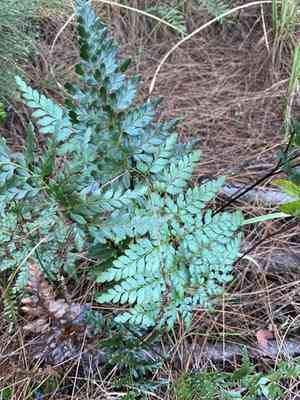
For pineland fern, the ideal window for relocation is in the pleasant days of late summer and early fall. This timeframe facilitates superior root development. Choose a site that is shaded and drains effectively. Only prune fronds when essential to minimize the stress of transplanting.
What Preparations are Needed Before Transplanting Pineland Fern?
What is the Ideal Time for Transplanting Pineland Fern?
Transplant pineland fern optimally from late summer to mid-autumn. This period allows root establishment in cooler soil and benefits from fall rains, boosting growth before winter dormancy. Additionally, moderate temperatures lessen transplant shock, ensuring a healthier, more robust perennial.
How Much Space Should You Leave Between Pineland Fern Plants?
For your pineland fern, position each plant approximately 18-24 inches (45-60 cm) apart. This provides ample room for development and ensures good air circulation, which helps prevent disease and encourages vigorous growth.
What is the Best Soil Mix for Pineland Fern Transplanting?
Prepare well-draining soil enriched with organic matter such as compost. Pineland fern thrives in slightly acidic to neutral soil with a good foundation of balanced fertilizer (e.g., slow-release 10-10-10) to supply essential nutrients.
Where Should You Relocate Your Pineland Fern?
Select a spot with partial to full shade for your pineland fern. Excessive sunlight can stress this fern, so a location offering indirect light or dappled shade is perfect for its development and health.
What Equipments Should You Prepare Before Transplantation Pineland Fern?
Gardening Gloves
To safeguard your hands while handling soil and plants.
Shovel or Spade
For digging and preparing both the original and new planting sites.
Watering Can or Hose
To hydrate the plant before and after its relocation.
Trowel
For more precise excavation around the plantâs root system.
Pruning Shears
To trim any damaged or overgrown roots or foliage.
Compost or Organic Mulch
For enriching the soil and maintaining moisture post-transplanting.
How Do You Remove Pineland Fern from the Soil?
How Do You Remove Pineland Fern from the Soil?
From Ground: First, moisten the pineland fern plant's soil. Then, dig a wide trench around the plant with a shovel or spade, ensuring the root ball remains intact. Carefully work the spade beneath the root ball to lift the plant from its original spot.From Pot: Thoroughly water the pineland fern plant, then gently tap the pot to loosen the soil. Turn the plant sideways and softly pull the stem's base while supporting the root ball to extract it from the container.From Seedling Tray: Lightly water the seedlings to facilitate removal. Use a trowel or your fingers to gently lift each seedling from the tray, taking care to avoid damaging the delicate roots.
Step-by-Step Guide for Transplanting Pineland Fern
Site Preparation
Clear the chosen transplant location of any weeds or debris and dig a hole slightly larger than the pineland fern plantâs root ball to ensure ample room for growth.
Plant Placement
Position the pineland fern plant in the prepared hole, ensuring it sits at the same depth as it was in its original spot. Adjust the hole size if needed to achieve the correct depth.
Backfilling
Begin refilling the hole with soil, gently firming it around the root ball without compacting the soil too much. Create a small depression around the plant to retain water.
Watering
Water the pineland fern plant deeply immediately after transplanting to settle the soil and provide moisture to the roots.
Mulching
Apply a layer of compost or organic mulch around the plant's base to retain moisture and regulate soil temperature.
How Do You Care For Pineland Fern After Transplanting?
Watering
Keep the soil around the pineland fern consistently moist, but not waterlogged, for the initial few weeks post-transplant to aid in strong root establishment.
Monitoring
Observe the pineland fern plant for any indications of stress, such as wilting or yellowing leaves, and provide additional water and shade as necessary.
Fertilizing
After several weeks, once the plant appears established, you can begin a light fertilization regimen to encourage growth.
Troubleshooting Common Issues with Pineland Fern Transplantation.
When is the best time to transplant pineland fern?
The optimal period to transplant pineland fern is in late summer, early fall, or mid-fall.
How should I prepare the soil before transplanting pineland fern?
Ensure the soil is well-draining and enriched with organic matter prior to transplanting pineland fern.
What is the optimal spacing for transplanting pineland fern?
Space each pineland fern plant 18-24 inches (45-60 cm) apart for optimal growth.
How deep should I plant pineland fern during transplantation?
Plant pineland fern at the same depth it was growing in its previous location.
How much water does pineland fern need after transplanting?
Water pineland fern thoroughly but avoid overwatering. Consistent irrigation is vital in the initial weeks.
Should I prune pineland fern before transplanting?
Yes, trim any damaged or dead fronds of pineland fern before transplanting to encourage healthy growth.
How can I reduce transplant shock for pineland fern?
Minimize root disturbance and water the plant well immediately after transplanting to lessen shock.
What type of mulch is best for pineland fern after transplanting?
Utilize organic mulch like leaf litter or pine needles to retain moisture and protect pineland fern.
Can I transplant pineland fern in full sun?
Pineland fern prefers partial shade, so avoid relocating it to areas with full sun exposure.
Is fertilization necessary immediately after transplanting pineland fern?
Refrain from fertilizing pineland fern immediately after transplanting. Allow it to establish roots first.



