How to Prune Pineland fern?
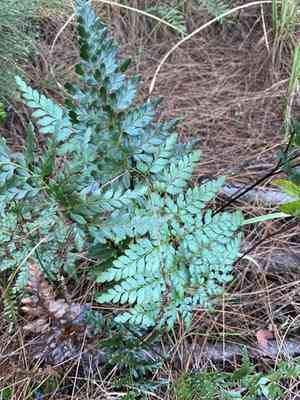
Pineland fern displays graceful, plume-like leaves that flourish in damp, low-light conditions. Trim in late winter or early spring to eliminate aged or compromised fronds and stimulate fresh development. Sever fronds at their base with sanitized, keen implements to avert illness. Routine trimming boosts pineland fern's verdant look and betters air movement. Steady maintenance guarantees a vigorous and thriving specimen, optimizing its visual charm in horticultural displays.
What Are the Benefits of Pruning Pineland Fern?
What Are the Benefits of Pruning Pineland Fern?
Trimming pineland fern encourages robust development and maintains its form by eliminating dead or crowded fronds, enhancing air circulation, and lowering disease risk. It also stimulates vigorous new growth and ensures the plant keeps its attractive shape.
What Is the Best Time for Pruning Pineland Fern?
What Is the Best Time for Pruning Pineland Fern?
Trimming or cutting back pineland fern in early spring or late winter is optimal as this period aligns with the plant's inactive phase. During dormancy, pineland fern exhibits minimal growth, which lessens stress and prevents sap loss. Pruning then also helps shape the plant before its active growing season, promoting healthy new development. Furthermore, these seasons are typically free of pests and diseases, minimizing infection risks at cut sites.
What Tools Do I Need to Prune Pineland Fern?
Bypass Pruners
Perfect for cutting small stems and fronds without crushing them. They deliver a clean cut that aids in healthy recovery.
Pruning Scissors
Useful for precise trimming of delicate fronds and removing withered or damaged leaves.
Handheld Shears
Effective for shaping and maintaining the overall look of pineland fern, especially for managing its bushy growth.
Sterilizing Solution
Crucial for cleaning tools before and after use to prevent the spread of diseases and pests.
How to Prune Pineland Fern
Inspect
Begin by thoroughly examining pineland fern for any diseased or dried-up leaves. This helps pinpoint areas needing immediate attention.
Prepare Tools
Gather sanitized pruning implements such as sharp scissors or pruning shears. Ensure they are clean to prevent pathogen transmission.
Remove Diseased
Carefully cut away any diseased leaves. Trim close to the base of the affected leaf while avoiding harm to healthy parts of pineland fern. Dispose of these diseased sections away from the plant to prevent contamination.
Trim Withered
Remove dried-up leaves by making clean cuts at their base or where they attach to the stem. Ensure the cut is smooth to encourage better healing and limit exposure to pests or diseases.
Monitor
Regularly observe pineland fern after pruning for any new indications of disease or wilting. This allows for prompt action if further trimming is necessary.
Common Pruning Mistakes with Pineland Fern
Over-pruning
Removing too much foliage at once, which can stress pineland fern and hinder its development.
Pruning improperly
Cutting the fronds incorrectly, such as using dull tools or not making clean cuts, which can harm the plant.
Timing errors
Trimming the plant at the wrong time, which can disrupt its natural growth cycle.
Removing healthy fronds
Cutting away healthy, green fronds unnecessarily, reducing the plantâs ability to photosynthesize.
Ignoring dead fronds
Failing to remove dead or diseased fronds, which can harbor pests and diseases.
Common Pruning Tips for Pineland Fern
Use sharp tools
Always use clean, sharp pruning shears to make precise cuts and avoid damaging the plant tissues.
Focus on dead or damaged fronds
Prioritize removing any dead, damaged, or diseased fronds to improve air circulation and overall health.
Clean cuts
Make clean cuts close to the base of the frond to facilitate proper healing and reduce the risk of infection.
Assess the plant
Regularly assess pineland fern to identify any fronds that need trimming and understand the plantâs growth pattern.
Moderate pruning
Practice moderate pruning, removing no more than 20%-30% of the fronds at one time to avoid over-stressing the plant.



