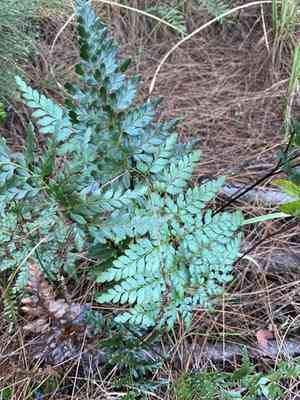
Pineland fern (Anemia adiantifolia)
Also known as: None
Pineland fern, known for its fine, delicate fronds, flourishes in partially shaded, moist surroundings akin to its tropical lineage. Its intricately divided, triangular fronds add a graceful texture to the forest floor. While adaptable to various soil types, this resilient fern prefers the fertile, damp loam typical of its natural woodland habitats.
In This Article
Attributes of Pineland fern
Lifespan
Perennial
Plant Height
30 cm to 91 cm
Spread
0.4 to 0.6 meters
Leaf Color
Green
Flower Size
Not applicable
Flower Color
Not applicable
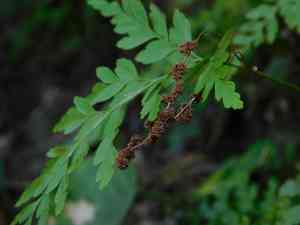
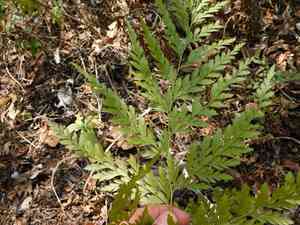
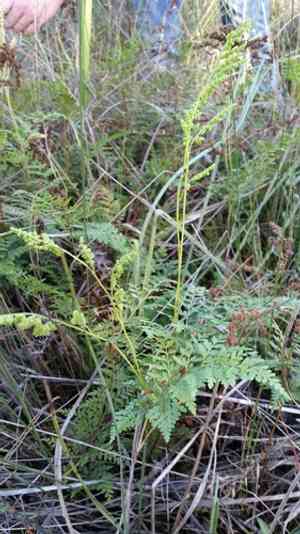
Images of Pineland fern
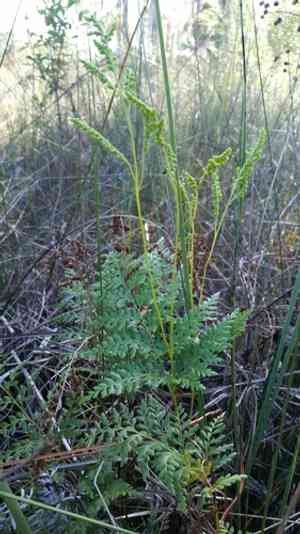
Quickly Identify Pineland fern
1
Anemia adiantifolia can be identified by its delicate, pinnate fronds resembling those of the maidenhair fern, with a distinctive dark, wiry central rachis. It often grows in clusters and prefers shaded, humid environments.
Scientific Classification of Pineland fern
Phylum
Vascular plants
Class
Ferns
Order
Schizaeales
Family
Flowering ferns
Genus
Anemia fern
Species
Pineland fern
Planting and Growing of Pineland fern
Care Difficulty
Moderate
Watering Schedule
Every 3 days
Sunlight Requirements
Partial sun
Sunshine Duration
6-8 hours
Ideal Temperature
70-80℉
Soil Type
Potting Mix, Peat Mix
Soil pH
6.5-7.5
Fertilizer Type
Balanced
Pruning Season
Spring, Summer
Pruning Area
Branches, Leaves
Pruning Frequency
2 times a year
Repotting Season
Spring
Pot Type
Plastic, Ceramic
 How to Water Pineland fern?
For Anemia adiantifolia, watering should be thorough but not excessive. Aim for about 200 milliliters per session, ensuring that the soil is evenly moist but not waterlogged. The key is to mimic its natural habitat, giving it enough moisture to sustain its growth without drowning the roots.
What are the symptoms of an underwatered Pineland fern?
›
What should I do if my Pineland fern is not getting enough water?
›
What are the symptoms of an overwatered Pineland fern?
›
How to save an overwatered Pineland fern?
›
 What Are the Sunlight Requirements for Pineland fern?
Anemia adiantifolia tends to thrive in environments that provide it partial sun to full shade. This ideal range facilitates consistent growth, contributes to lush foliage, and helps maintain the plant's overall vigor by preventing stress associated with light extremes.
Optimal Sun Exposure
›
Avoiding Direct Sunlight
›
Balancing Light and Shade
›
 What Is the Ideal Temperature Range for Pineland fern?
The ideal temperature range for Anemia adiantifolia lies between 70°F to 80°F. Maintaining this temperature range ensures optimal growth and health of the plant as it mirrors the native tropical conditions where these plants thrive.
 What Soil is Best for Pineland fern?
Anemia adiantifolia thrives in well-drained soil, allowing excess water to escape quickly. This prevents root rot and promotes healthy root development, vital for optimum growth. The plant prefers a soil that is moderately rich in organic matter. This ensures essential nutrients are available, supporting lush foliage and robust growth without the risk of nutrient burn. While well-drained, the soil should also retain sufficient moisture, preventing the plant from drying out between watering sessions. This balance supports consistent hydration, crucial for fern-like plants.
 How to Fertilize Pineland fern?
For Anemia adiantifolia, the amount of fertilizer needed is relatively moderate. You should apply a balanced liquid fertilizer diluted to half-strength, using approximately 1 teaspoon per gallon of water. This ensures that the plant receives enough nutrients without overwhelming its root system.
 How to Prune Pineland fern?
Begin by identifying any dead or yellowing fronds, which can be safely removed to redirect the plant's energy towards healthier growth. Cut them close to the base. Prune to create a balanced shape, ensuring light reaches all parts of the plant. Trim overgrown areas, focusing on maintaining a natural look. Trim back older fronds slightly to stimulate new, robust growth. It's key to leave enough foliage for photosynthesis.
More About Pruning Techniques→
 How to Propagate Pineland fern plant?
1
Fill the seed tray with sterile potting mix, ensuring it is lightly packed. The surface should be even to allow for regular seed distribution. Water the mix until it is evenly moist but not waterlogged.
2
Distribute the Anemia adiantifolia seeds evenly across the surface of the potting mix. Lightly press the seeds into the mix, making sure they remain on the surface, as exposure to light aids in germination.
3
Cover the seed tray with clear plastic to maintain humidity. Place the tray in a warm, well-lit area, ideally with a temperature range between 20°C to 25°C. Maintain moisture by misting when necessary and remove the cover once seedlings emerge.
 How to Repot Pineland fern plant?
1
Look for signs that your Anemia adiantifolia needs repotting, such as roots growing out of drainage holes or water sitting on the surface for too long. Spring and summer are ideal for repotting as the plant is actively growing and can recover more quickly from any potential stress.
2
Select a pot that is one size larger than the current one and has sufficient drainage holes. A pot that is too large can lead to water retention problems, while a properly sized pot helps maintain the balance of moisture and nutrients the plant needs.
3
Opt for a well-draining potting mix to ensure excess water can flow away easily, preventing root rot. Soils with good air circulation help maintain an optimal environment for root growth and overall plant health.



